
The short answer
- To build an HOA preventive maintenance calendar, list every part of the property the association maintains, then find each one's interval in the paper behind it: the manufacturer's manual, the warranty, the reserve study, the vendor contract, your water utility or insurer.
- Put every task in a month, give it one named owner and a backup, and write down what "done" means and where the proof goes.
- Walk the calendar every month and rebuild it every year before the budget, so the cost of next year's maintenance is in next year's dues.
In a lot of self-managed communities, one board member drains the irrigation every November before the first hard freeze. Nobody asked them to. Nobody wrote it down. Then one spring they sell the house.
The next January, the backflow preventer by the entrance splits open in the cold, and the first the board hears of it is a neighbor's photo of water sheeting across the sidewalk. The repair is the easy part. The hard part is the meeting where five people discover that a job the community depended on lived in one person's head.
That is how most self-managed communities do maintenance: by memory, by habit, and by whoever happens to notice. A preventive maintenance calendar replaces all three with something that survives a move, a resignation and a busy year. This guide builds one in seven steps, from documents your association already has.
Every 3 years at least, a California board must have the accessible areas of the major components it maintains visually inspected for its reserve study (when their replacement value is at least half the gross budget), and review that study every year. — California Civil Code § 5550(a)
Before you start: What to pull first
Gather these into one folder. If something does not exist, write that down: "we have no reserve study" and "nobody has the pool pump manual" are both findings.
- The plat or common-area map, and any list of what the association owns and maintains.
- The declaration, marked at every line that says who maintains what: the association, the owner, or someone else.
- The reserve study, its component list, and the year it was done.
- Every vendor contract that includes maintenance: landscaping, pool, irrigation, fountain, gate, pond.
- Every manual and warranty you can find, for anything with a motor, a pump, a valve or a moving part.
- The insurance policy, and any inspection the insurer has asked for.
- Notices from the water utility, the fire marshal or the county about inspections or tests.
- The last two years of repair invoices. They show what broke, which is the best list of what nobody maintained.

The calendar, in seven steps.
- List: Everything you maintain
- Interval: From its paper
- Month: Place each task
- Owner: One name, one backup
- Done: Proof and where it goes
- Walk: Every month
- Rebuild: Before the budget
Step 1 — List everything the association maintains
You cannot schedule what you have not listed. Start with the common-area map and walk it, on paper first and then on foot, writing down every thing that can wear out, break or need a check.
Three sources build the list:
- The reserve study's component list. It names the big items: roofs, paving, the pool, fences, the clubhouse. It usually skips the small ones that cause the most trouble.
- The declaration. It says what the association maintains, and it sometimes surprises the board: a mailbox cluster, a retaining wall, the strip of grass between the sidewalk and the street. If the lines are unclear, the library's maintenance responsibility chart helps sort what belongs to the owner, the HOA or someone else.
- Last two years of repair invoices. Every repair is a component. If it broke, it belongs on the list.
Add the small things on purpose: the backflow preventer, the irrigation controller, the entry lights' timer, the fire extinguishers in the clubhouse, the gate motor, the pond's outlet, the pool's drain covers, the playground's surfacing. These are the jobs that live in one person's head. The library's guide to the common-area property map helps put each one on paper, with where it is.
Done when: every item the association maintains is on one list, with where it is and what it is.

Step 2 — Find each item's interval in its paper
This is the step most calendars skip, and it is the one that makes yours defensible. Do not guess how often a thing needs attention. Look it up, and write down where you found it.
Use the sources in this order:
- The manufacturer's manual and warranty. It names the interval and, for a warranty, sometimes the condition for keeping it. Read the warranty for any maintenance it requires, and do that maintenance on its schedule.
- The reserve study. It gives each major component a useful life and often a maintenance note.
- The vendor contract. It says what the vendor already does and how often. Do not schedule a job twice; do not assume the vendor does one it never agreed to.
- Your water utility, fire marshal, insurer and the law. These set dates you do not choose. If your water utility requires the backflow preventer to be tested, its notice sets the date and says who may do the test; the board does not choose either. OSHA's workplace rule for employers calls for a portable fire extinguisher to be visually inspected monthly and to get an annual maintenance check (29 CFR 1910.157(e)). It is a sound schedule for any clubhouse, and your fire marshal or insurer may set their own.
The repair is the easy part. The hard part is discovering that a job the community depended on lived in one person's head.
Playgrounds show why the order matters, and most boards have never seen this. The U.S. Consumer Product Safety Commission's Public Playground Safety Handbook says the manufacturer's maintenance instructions and recommended inspection schedules should be strictly followed, and that when they are not available, a maintenance schedule should be developed based on actual or anticipated use of the playground.
When nothing gives an interval, the board sets one and writes the reason: "once a year, before pool season, because the last failure was in May."
Done when: every item has an interval and, beside it, the paper it came from or the board's written reason.

Step 3 — Place every task in a month
An interval is not a calendar until it has a month. Most of the year arranges itself around four turns in the weather and the season of use. Put each task in the month before it is needed, not the month it fails.
Here is an example calendar for a single-family community in a climate with a winter freeze. The tasks and months are illustrative. Yours come from Step 2.
| Season | Month | Task | Interval from |
|---|---|---|---|
| Before the freeze | October | Drain and blow out irrigation; shut and insulate the backflow preventer | Irrigation contract |
| Before the freeze | November | Clean gutters and downspouts on the clubhouse after leaf fall | Board's reason: overflow last winter |
| Before the season | March | Inspect playground surfacing and equipment; record and fix problems | Playground manufacturer |
| Before the season | April | Pool opening: drain covers, fence, gates, safety equipment | Pool contract and drain cover dates |
| Before the storms | May | Clear the pond outlet and storm drains; trim limbs over paths | Pond maintenance agreement |
| Every month | Monthly | Clubhouse extinguishers visually checked; entry lights and timer checked | OSHA's schedule; board's reason |
| Every year | Utility's date | Backflow test, as the utility's notice requires | Water utility notice |
Two rules keep the calendar honest. Never put more in one month than the people in Step 4 can do. And put the tasks that need a vendor a month earlier than the work, because that is when the call has to be made.
If a contract needs to be rebid to get a task done, the library's guide to bidding out an HOA contract covers it.
Done when: every task sits in a month, and no month holds more than its owners can finish.
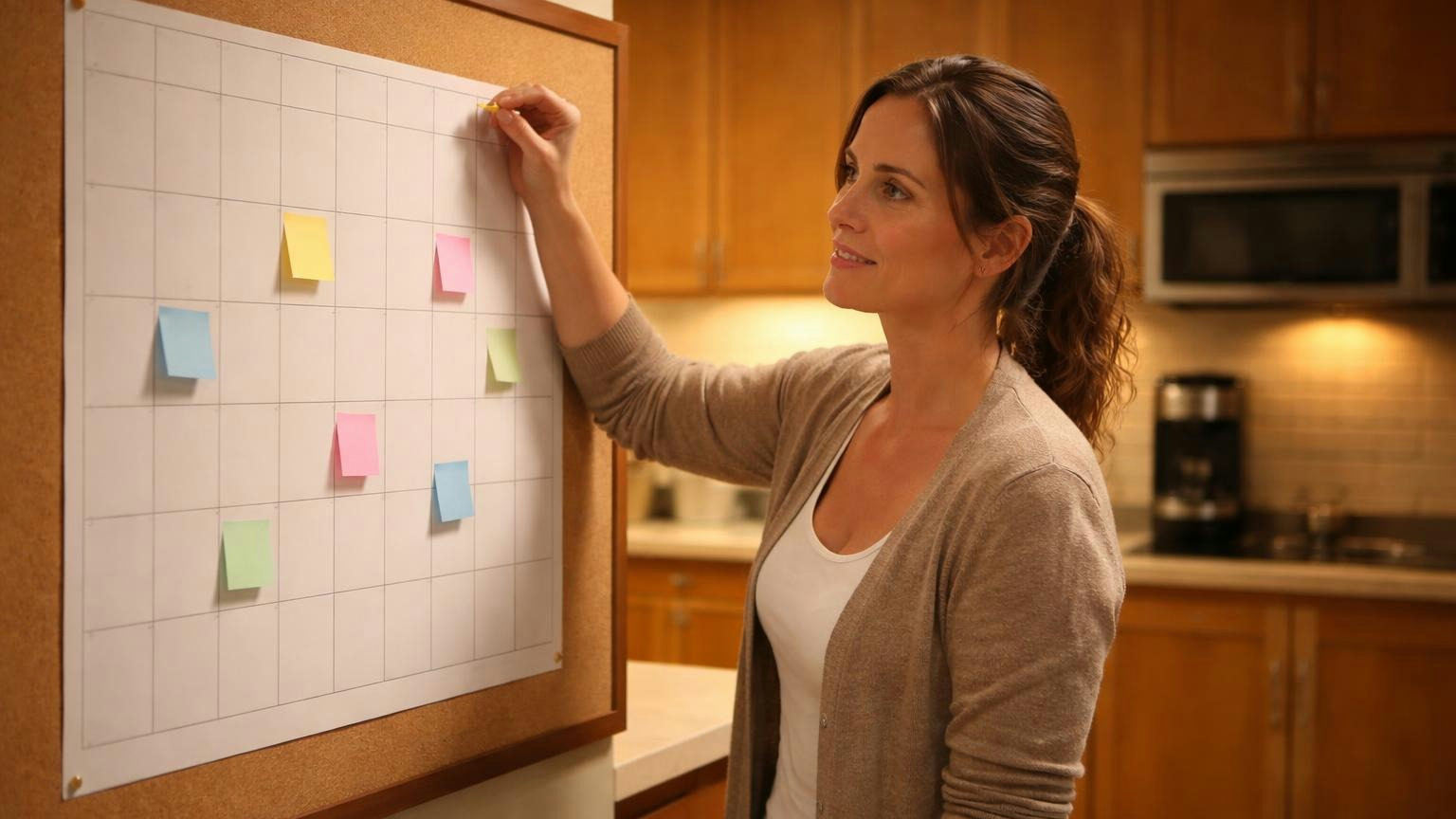
Step 4 — Give every task one owner and one backup
A task with two owners has none. Give each task one named person and one backup, by name, not by role. "The board" is not an owner.
The owner does not have to do the work. The owner makes sure it happens: calls the vendor, opens the gate, checks the work, files the proof. On a small board that might be three people holding the whole year between them. That is fine as long as it is written down.
The backup is the answer to the irrigation story. When an owner moves, resigns or is away that month, the backup takes it without a meeting. When either one leaves the board, reassigning their tasks is the first item at the next meeting.
What a task with no owner becomes.
- Month 1: Nobody remembers
- Month 3: A small failure
- Season 1: The emergency repair
- The bill: At emergency rates
Done when: every task has an owner and a backup, and every board member can see which ones are theirs.

Step 5 — Write what "done" means and where the proof goes
"Checked the pool" means nothing a year later. Write, for each task, what done looks like and what proof it leaves:
- What done looks like. "Backflow tested, passed, and the report filed the way the utility's notice asks, by its deadline." "Playground surfacing raked back to its depth mark under the swings and at the slide exits."
- The proof. A vendor invoice, a test report, a photo with the date, or a signed and dated checklist.
- Where it goes. One folder, by month and by component, that the whole board can open.
This is not paperwork for its own sake. The playground handbook recommends keeping records of all maintenance inspections and repairs, including the manufacturer's instructions and any checklists used, with the person who did the inspection signing and dating the form. A record like that is what a board shows an insurer, a buyer's lender or an owner who says nothing was done. The library's guide to HOA repair records lists the four things to keep beside every job.
Done when: every task has a sentence saying what done means, and every completed task has its proof in the folder.

Step 6 — Walk the calendar every month
A calendar nobody looks at is a list in a drawer. Make it the first five minutes of every board meeting, or a ten-minute check on the same day each month.
Ask three questions, in order:
- What was due last month, and is its proof in the folder? Anything missing gets a new date and stays on the list until it is done.
- What is due this month, and has the owner already called the vendor?
- What did anyone notice that is not on the calendar? A new crack, a gate that sticks, a light that stays on. Add it as a task or a repair.
Once a year, walk the property itself with the reserve study in hand. The library's guide to walking your common areas with the reserve study shows what to look at. The walk catches what the calendar missed, and the calendar is how the walk's findings get done.
Done when: the calendar is on every meeting agenda, and last month's missing tasks have new dates.
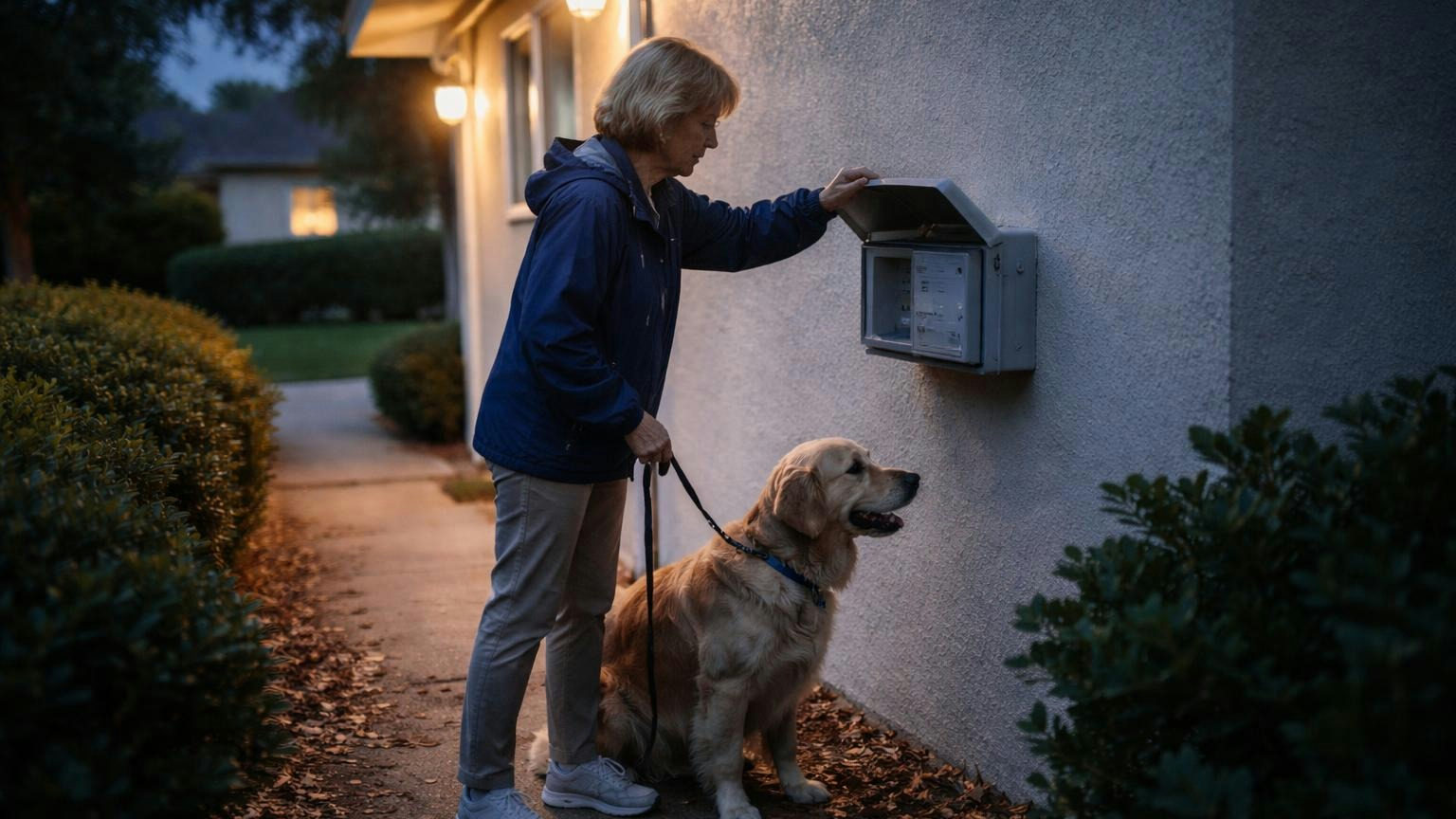
Step 7 — Rebuild the calendar every year, before the budget
Once a year, before the budget is drafted, go through the calendar line by line:
- What did each task cost this year? Put it in next year's budget, under the line it belongs to.
- What failed anyway? A failure on a task that was done on time means the interval is too long. Shorten it and write the reason.
- What was added? New equipment means a new manual, a new interval and a new task.
- What is ending? A contract that ends next year means a task with no one doing it unless the board acts.
Then hand the costs to whoever builds the budget. The library's guide to building an HOA budget walks through the lines, and this calendar is the paper behind the maintenance ones.
Done when: the calendar for next year is in the folder, and its cost is a line in next year's budget.

How to tell it worked
A year from now, ask:
- Every task on the calendar was done in its month, or has a new date and a reason.
- Every completed task has its proof in the folder.
- Nothing broke that the calendar was supposed to prevent, or if it did, the interval was changed.
- A new board member could open the folder and run next month without calling anyone.
- Next year's maintenance cost is a line in next year's budget.
If the last two are true, the calendar has done its real job: the community no longer depends on one person's memory.
HOA Repair Records: Keep These Four Things Beside Every Job
Frequently asked questions
What should be on an HOA preventive maintenance calendar?
Everything the association maintains that can wear out or needs a check: the large components in the reserve study, and the small ones that cause the most trouble, such as the backflow preventer, irrigation controller, entry light timers, clubhouse extinguishers, gate motors, pond outlets, pool drain covers and playground surfacing.
How often should an HOA inspect its common areas?
As often as each item's paper says: the manufacturer's manual, the warranty, the reserve study, the vendor contract, the water utility or the law. Some states also set a floor: in California, a board must have the major components visually inspected at least every three years for the reserve study when their replacement value is at least half the gross budget, and review the study every year.
Who should own HOA maintenance tasks on a self-managed board?
One named board member per task, with one named backup. The owner does not have to do the work; they make sure it happens and the proof is filed. When an owner leaves the board, reassigning their tasks comes first at the next meeting.
Is a preventive maintenance calendar the same as a reserve study?
No. The reserve study estimates when major components wear out and how much to save for them. The calendar schedules the work that keeps them from wearing out early, including small items the study does not list. Each feeds the other.
Do we need software to keep an HOA maintenance calendar?
No. A shared spreadsheet and one folder of proof are enough, as long as every task has a month, an owner, a backup and a definition of done, and the calendar is on every meeting agenda.
This guide is general information, not legal advice. Your governing documents and your state's law decide what your association must do; the association's attorney can confirm them.