
The renewal packet often arrives a few weeks out, with a higher premium and a stack of forms. The treasurer signs, because the alternative is no coverage, and nobody checks what changed.
In California, what changed can land on a director personally. A volunteer director who makes a good-faith mistake in the course of board duties (not a willful or grossly negligent one) is generally shielded from personal liability above the association's insurance. The shield holds only while the association carries at least $500,000 of general liability and $500,000 of directors and officers coverage, or $1,000,000 of each once the community has more than 100 homes. Let a renewal quietly trim one of those limits below that minimum and the shield in Civil Code section 5800 stops applying.
This guide is the job done properly, 90 days ahead, by volunteers. It is general information, not legal or insurance advice: your declaration, your state's statute and a licensed agent come first. California, North Carolina and Florida are the worked examples because their statutes put numbers on the job.
The short answer
- Start 90 days before the policies expire, with every declarations page in one table: insurer, coverage, limit, deductible, dates.
- Check each limit against your declaration and your state's statute, value the buildings at what they would cost to rebuild, and size the fidelity coverage to the most money the association ever holds.
- Shop with one written submission, compare on one page, vote with the reasons in the minutes, then tell the owners what changed.
Before you start: What to pull
Two hours with these papers, before anyone calls an agent, is the difference between renewing and reacting.
- The declarations page of every policy: property, general liability, directors and officers, fidelity or crime, flood, umbrella, and any others
- The insurance article of the declaration and the bylaws (search for "insurance", "fidelity" and "replacement")
- The list of property the policy insures, often called the schedule: clubhouse, pool, fences, mailbox kiosks, entry signs
- The reserve study's component list, with the replacement cost of each item
- Every claim filed in the last five years, and anything that could become one
- The highest combined operating and reserve balance in the past year, from the bank statements
- The name of everyone who can sign a check or move money
Missing a declarations page? The agent of record can send it. Ask in writing, today.
One renewal, from the calendar to the owners' notice.
- Calendar: 90 days out
- Inventory: One table
- Rules: Documents and statute
- Values: Cost to rebuild
- Money and people: Fidelity, D&O
- Gaps: Flood, and the rest
- Decide: Compare, vote, tell
Step 1 — Put the renewal on the calendar, 90 days out
Find the expiration date on each declarations page. Policies bought at different times expire on different days, so list them all.
Then count back. Ninety days out, the board pulls the papers. Sixty days out, the submission goes to the agent and to anyone else you want a quote from. Thirty days out, the quotes are back and compared. Fifteen days out, the board votes and binds the coverage, with time left for a surprise.

Why so early? Because the bad news comes late. For communities North Carolina's planned community act covers (generally those created since 1999 with more than 20 lots; see Step 3), the law guarantees only 30 days of warning, and that is not long to find a new carrier.
30 days after notice is mailed to the association and to each owner and lender issued a certificate is the earliest a North Carolina insurer can cancel or refuse to renew the required policy of an association the planned community act covers. — N.C.G.S. 47F-3-113(f)
Done: every policy's expiration date on the board's calendar, with the 90, 60, 30 and 15-day steps under it and a named owner for each.
Step 2 — Put every policy in one table
Copy five facts from each declarations page into one table: the insurer, the type of coverage, the limit, the deductible, and the policy dates.
California requires nearly this table. Civil Code section 5300 makes the association send owners an annual budget report 30 to 90 days before its fiscal year ends, summarizing its property, general liability, earthquake, flood and fidelity policies: insurer, type, limit and deductible for each. Copies of the declarations pages can satisfy it, for what they show, with a statement the statute requires.

Then mark what is not in the table. A community with a pool and no umbrella policy, or a treasurer and no fidelity coverage, has found its first question for the agent.
Done: one table, every policy, five facts each, and a list of coverage the board expected and did not find.
Step 3 — Check every limit against your documents and your state
The declaration usually has an insurance article naming the policies the association must carry, sometimes with minimum limits. Read it against the table from Step 2, line by line.
Then the statute. Three examples of how specific it gets:
- North Carolina. A planned community created on or after January 1, 1999, with more than 20 lots (the act's applicability section leaves smaller ones out unless the declaration opts in) must carry, to the extent reasonably available, all-risk property insurance on the common elements and liability insurance in reasonable amounts. If it cannot get them, it must promptly notify every lot owner by hand delivery or prepaid mail.
- Florida. The HOA statute requires insurance or a fidelity bond for everyone who controls or disburses the association's money, including anyone who signs checks and the president, secretary and treasurer. Step 5 sizes it.
- California. The volunteer shield above, plus a second for communities whose owners hold the common area as tenants in common: under Civil Code section 5805, a tort claim against an owner arising only from that ownership goes to the association instead, if it carries at least $2,000,000 of general liability, or $3,000,000 above 100 homes.
Worth knowing California's volunteer shield requires the coverage both when the mistake happens and when the claim is made. A limit cut at renewal can remove the shield for something a director did last year.

Done: each line of the table marked "meets the documents and the statute", "below", or "not addressed", with the source beside it.
Step 4 — Value the property at what it would cost to rebuild
The number that decides a property claim is not the premium. It is the value insured. Insure at replacement cost: the price to rebuild today, not the land's market value and not what it cost to build. For communities its act covers, North Carolina writes a floor into the act, on the common elements, not counting land and foundations, to the extent that insurance is reasonably available.
80 percent of the replacement cost of the insured common property (land and foundations excluded), after deductibles, is the least a North Carolina planned community covered by the act must carry where the insurance is reasonably available, checked at purchase and at every renewal. — N.C.G.S. 47F-3-113(a)(1)
Then check how a loss is paid. The Texas Department of Insurance shows the difference on a ten-year-old home roof that costs $10,000 to replace. With replacement cost coverage and a $2,000 deductible, the insurer pays $8,000. With actual cash value coverage, which subtracts depreciation, the roof might be valued at $7,000, and the insurer pays $5,000. The example is a home, but the question is the same for a clubhouse roof, a pool deck or a perimeter fence: ask your agent which basis the association's policy uses, and get the answer in writing.
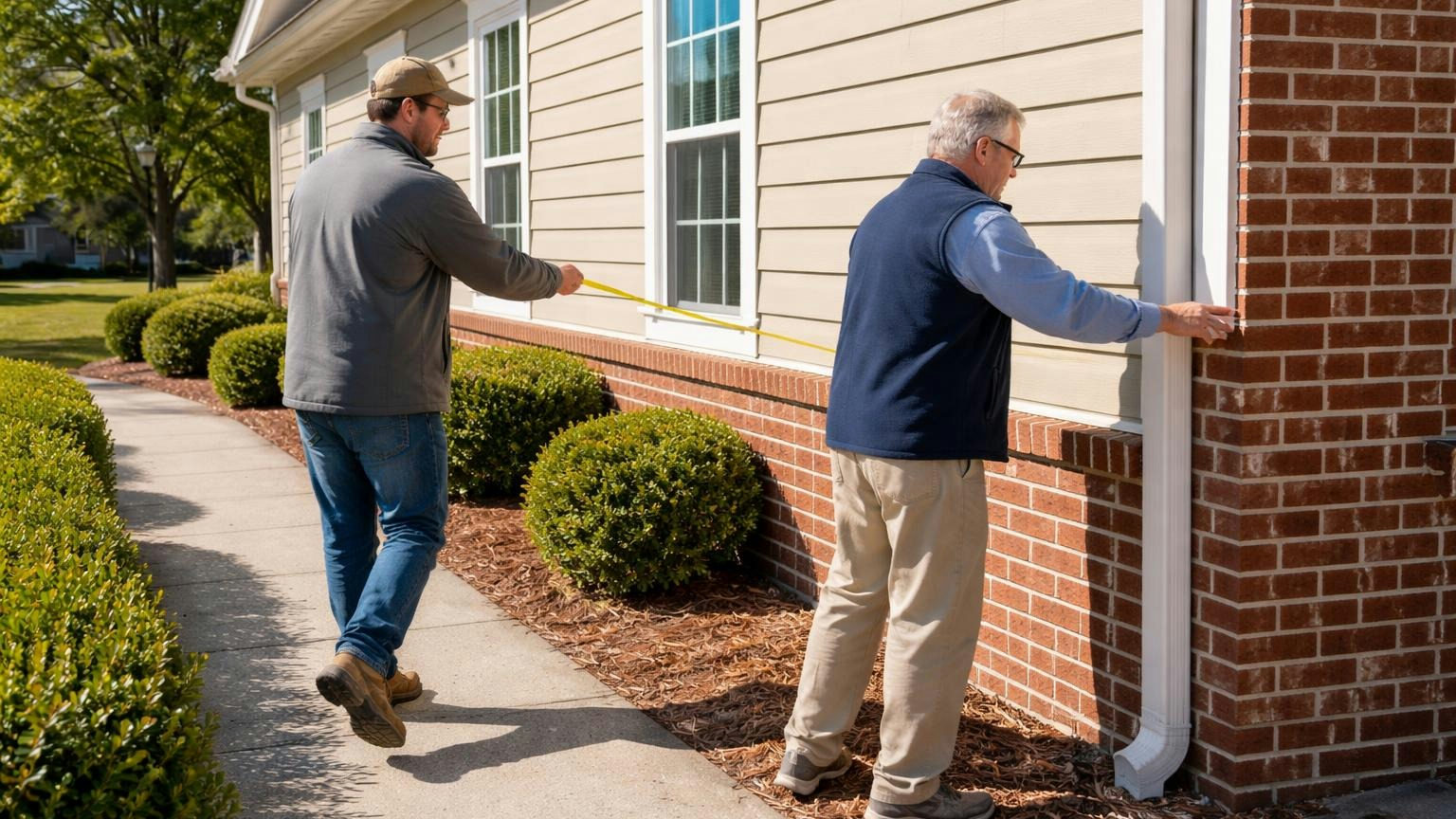
Start from the reserve study's component costs and add anything built or replaced since. A new fence that is not on the schedule may not be insured.
Done: a property list with a rebuild cost beside each item, the valuation basis confirmed in writing, and the total compared with the policy limit.
Step 5 — Size the coverage for the money and for the people
The money. Fidelity or crime coverage pays when someone steals the association's funds. Florida sets the size, makes the association pay for it, and lets the owners waive it only by a majority of the voting interests present at a properly called meeting, approved again every year.
The most it ever holds is what a Florida HOA's fidelity coverage must reach: the maximum funds in the custody of the association or its management agent at any one time. — Fla. Stat. 720.3033(5)
Work it on your own statements. Find the month the balances peak, usually just after annual dues come in, and add the operating and reserve balances on that day. If the peak is $186,400 and the fidelity limit is $100,000, the gap is $86,400, and in Florida the coverage would fall short of what the statute calls for.

The people. Directors and officers coverage answers when an owner sues the board over a decision. Read its declarations page for three things: the limit, the retention (the D&O word for a deductible), and whether past board members are covered. Then put California's thresholds beside it even if you are not in California: $500,000 for 100 homes or fewer, $1,000,000 above that. California's legislature tied its volunteer shield to those numbers, which makes them a useful reference point even where they are not the law.
Done: the peak balance and the fidelity limit side by side, and the D&O limit, retention and coverage for past directors written in the table.
Step 6 — Find the gaps the package leaves open
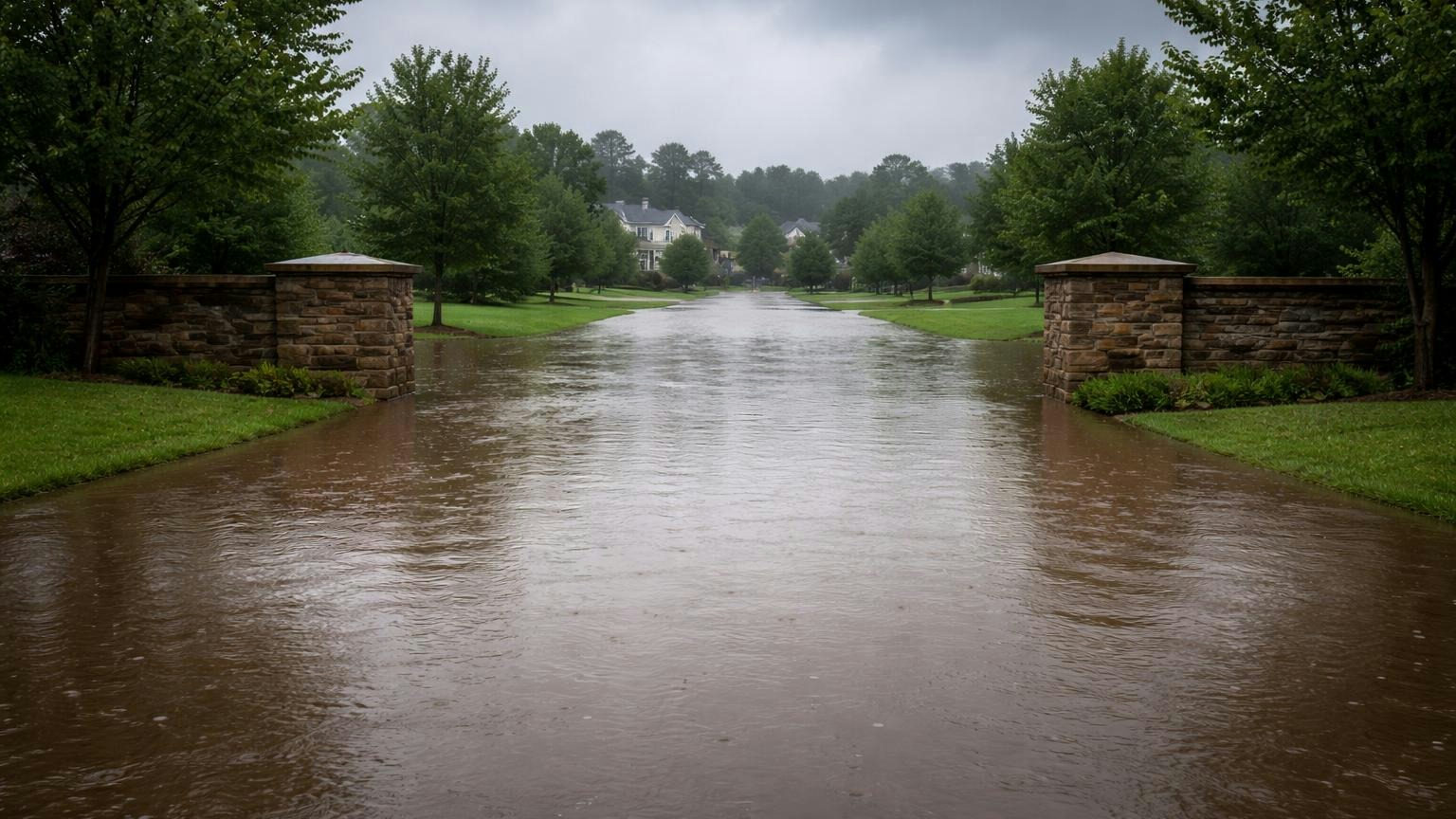
Flood is the largest. FloodSmart, the federal flood insurance program's site, says most homeowners, renters and business insurance does not cover flood damage. Ask the agent to say in writing whether the association's property policy excludes it.
If the association needs flood coverage, timing matters more than price. A new federal flood policy generally takes effect 30 days after purchase, with a few exceptions FloodSmart lists. Federal flood policies do not renew automatically, and a lapsed one is replaced by a new policy with the same 30-day wait. There is a 30-day grace period after expiration, but only if the renewal is paid in full by its end.
Then one question each for the rest:
- Umbrella: is there liability coverage above the general liability limit, and over which policies?
- Workers' compensation: does the association pay anyone directly, and must it cover them?
- Equipment and signs: are the pool equipment, gate operators and entry signs on the schedule?
- Cyber: does the association store owners' bank details or card data anywhere?
Done: a written answer from the agent to every gap question, and a flood decision made at least 45 days before any flood policy would need to begin.
Step 7 — Compare, vote and tell the owners
Two quotes come back. One is $1,200 a year cheaper, and its deductible is $25,000 instead of $10,000. The first claim costs the reserves $15,000 more, which wipes out more than twelve years of savings. That is why the comparison happens on one sheet.
Send every agent the same written submission: the Step 2 table, the Step 4 property list, the claims list and the limits the board wants. Every quote then prices the same community.
Lay the quotes on one sheet. For each policy compare the limit, the deductible, the valuation basis, any new exclusion and the premium. A quote that is cheaper because of a higher deductible, a lower limit or a new exclusion is not cheaper. It moves the cost onto the reserves.

At the meeting, the chair states the motion in exact words ("bind the property and liability renewal with the current carrier at the quoted premium, because its replacement cost limit matches the updated property list and the competing quote doubled the deductible"), and the board votes.
Then tell the owners what changed. In California, Civil Code section 5810 requires individual notice to every member, as soon as reasonably practicable, when a budget-report policy lapses or is canceled and not immediately replaced, or changes significantly, such as lower limits or a higher deductible. After a nonrenewal notice, members must be told immediately if replacement coverage will not be in place by the lapse date. Elsewhere, a one-paragraph notice is still the best defense against a surprised owner after a storm.

Done: the motion in the minutes with the reasons, the new declarations pages in the file, a notice sent to owners, and next year's 90-day date on the calendar.
HOA Vendor Certificate of Insurance: Six Lines to Check
How to tell it worked
- Every policy is in one table with its insurer, type, limit, deductible and dates.
- Every limit has been checked against the declaration and your state's statute.
- The buildings are insured at what they would cost to rebuild, and the basis is confirmed in writing.
- The fidelity limit reaches the highest balance the association held this year.
- The flood decision was made in time for a 30-day wait.
- The minutes name the coverage bound, the premium and the reason.
- The owners were told what changed.
- Next year's renewal is on the calendar, 90 days out.
Bottom line: An insurance renewal is a board decision, not a signature. The free renewal worksheet below holds every number this guide asks for on one page.
Frequently asked questions
How should an HOA board renew its insurance? Start 90 days before expiration. Put every policy in one table, check each limit against the declaration and state statute, insure at rebuild cost, size fidelity to the peak balance, decide on flood, compare quotes on one sheet, vote with reasons in the minutes and notify owners.
What insurance does an HOA need? Usually property coverage on the common property, general liability, directors and officers, and fidelity or crime, plus flood where the risk calls for it. Your declaration and your state's statute set the minimums.
How much fidelity coverage does an HOA need? In Florida, enough to cover the maximum funds in the custody of the association or its management agent at any one time. Elsewhere it is a sound rule: add the operating and reserve balances on the day they peak.
Does HOA insurance cover flood? Often not, so ask. FloodSmart says most homeowners, renters and business insurance does not cover flood damage, and a new federal flood policy generally takes effect 30 days after purchase, so decide early.
What happens if the HOA's insurer will not renew? Start shopping that day. In North Carolina, for communities the planned community act covers, the insurer must give 30 days' notice to the association and to each owner and lender issued a certificate. In California the association must notify its members immediately if replacement coverage will not be in place before the old coverage lapses.