
In Florida, three directors of a five-member board talking over the paving bid in a neighbor's driveway can be holding a board meeting. The statute says a board meeting "occurs whenever a quorum of the board gathers to conduct association business," and that meeting must be open to every member.
Most boards learn their meeting rules the way they learned the job: from whoever held the gavel before them. So the meeting runs the way it always has. Two hours, six topics, one decision, and a secretary who goes home unsure what to write down.
This guide fixes that in one meeting cycle, from the week before to the minutes after. It is general information, not legal advice. Your governing documents and your state's statute come first, and your association's attorney is the one to confirm how they apply.
The short answer
- To run an HOA board meeting, decide most of it before it starts: an agenda written as decisions, the notice your state and bylaws require, and the papers in every director's hands days ahead.
- Run it on the small-board version of Robert's Rules: for a board of about a dozen or fewer, motions need not be seconded and the chair can discuss, make motions and vote.
- The minutes record what the board decided and how each director voted, and the action list they produce becomes the first item of the next agenda.
Before you start: What to pull
Twenty minutes with these papers saves an hour at the table. Get them in front of you before you write a single agenda line.
- The bylaws, open to the sections on board meetings, quorum, notice and rules of order
- Your state's statute for homeowners associations (the board meeting section)
- The last meeting's minutes and its list of open action items
- The latest financial statement and bank balances
- Every request, bid or letter waiting on the board
- The calendar of anything due before the next meeting (insurance, contracts, the budget, the annual meeting)
If one of these does not exist in a form the board can open today, write that down. It is the first thing the meeting has to fix.
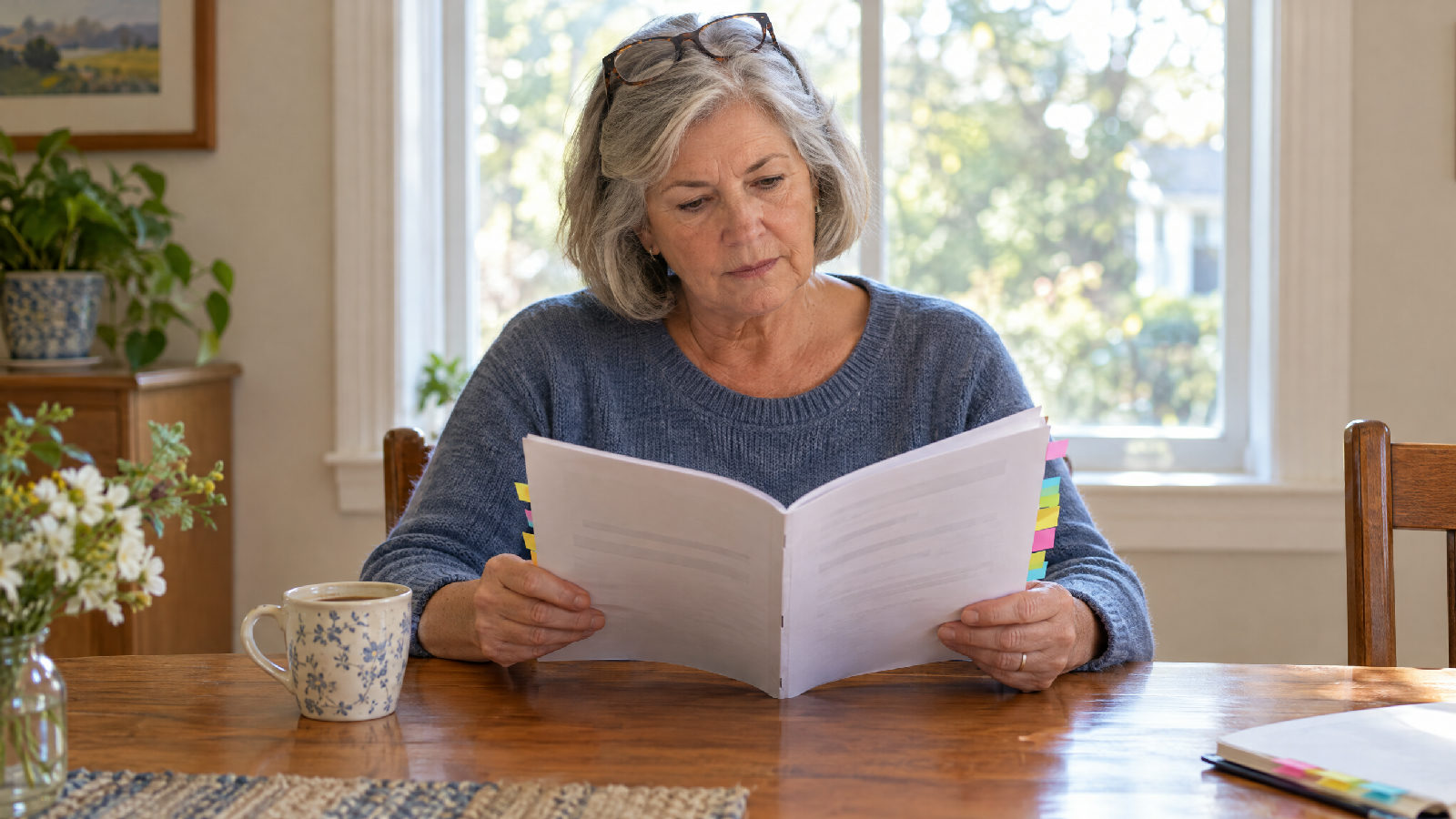
One meeting cycle, from the week before to the minutes after.
- Rules: Read your three rules
- Agenda: Write decisions, not topics
- Notice: Give it the lawful way
- Packet: Papers out days ahead
- Meeting: Run it on small-board rules
- Owners: Homeowner time, open doors
- Minutes: Record decisions and votes
Step 1 — Read the three rules your bylaws set
Every board meeting rests on three rules, and many volunteers have never read them. Find each one and write it on one card.
Quorum. How many directors must be present for the board to act. Without a quorum the directors present can talk, but they cannot decide.
Notice. How far ahead, and how, owners must be told about a board meeting. This is where state law and the bylaws meet, and the stricter one wins.
Rules of order. Which rulebook governs the meeting. In North Carolina the statute answers it for you: unless your bylaws say otherwise, meetings of the association and the board "shall be conducted in accordance with the most recent edition of Robert's Rules of Order Newly Revised."
Worth knowing Robert's Rules carries a separate, lighter set of rules for boards and committees of about a dozen or fewer. A board of three to seven directors qualifies, so check that your bylaws do not say otherwise, then use them.
Done: one card with quorum, notice and rules of order on it, kept in the meeting binder.
Step 2 — Write the agenda as decisions, not topics
"Landscaping" is a topic. It invites twenty minutes of opinions and ends without a vote. "Decide whether to accept the fall aeration bid, up to the amount in the budget" is a decision. It tells every director what they are there to do.
Write every agenda line that way. Beside each one, put who brings it, which paper it needs and how many minutes it gets. A simple order, close to the one Robert's Rules suggests, works for almost every board:
- Call to order and quorum
- Approve the agenda and the last minutes
- Treasurer's report
- Open action items from last time
- Decisions, one line each
- Homeowner time (or wherever your rules place it)
- Next meeting date, then adjourn
Group the routine items, such as approving minutes and accepting reports with no questions, so the chair can ask for objections once and move on. A decision that needs research waits for the meeting where the research is ready.

Done: an agenda where every line can end in a yes, a no or a date.
Step 3 — Give notice the way your state and bylaws require
Notice is where boards get into trouble without meaning to. The rules differ by state, so read yours. Here is what two states say, as examples rather than a rule for everyone.
Florida. Notice of a board meeting must "specifically identify agenda items" and be posted conspicuously in the community at least 48 hours ahead, except in an emergency, or mailed or delivered to each member at least 7 days ahead. A meeting where the board will consider a special assessment, or amendments to rules on how parcels may be used, needs written notice at least 14 days ahead. And an assessment cannot be levied at a board meeting unless the notice said assessments would be considered.
North Carolina. Board meetings are held "as provided in the bylaws." The meeting of the whole association, held at least once a year, needs notice 10 to 60 days ahead that states the time, the place and the items on the agenda.
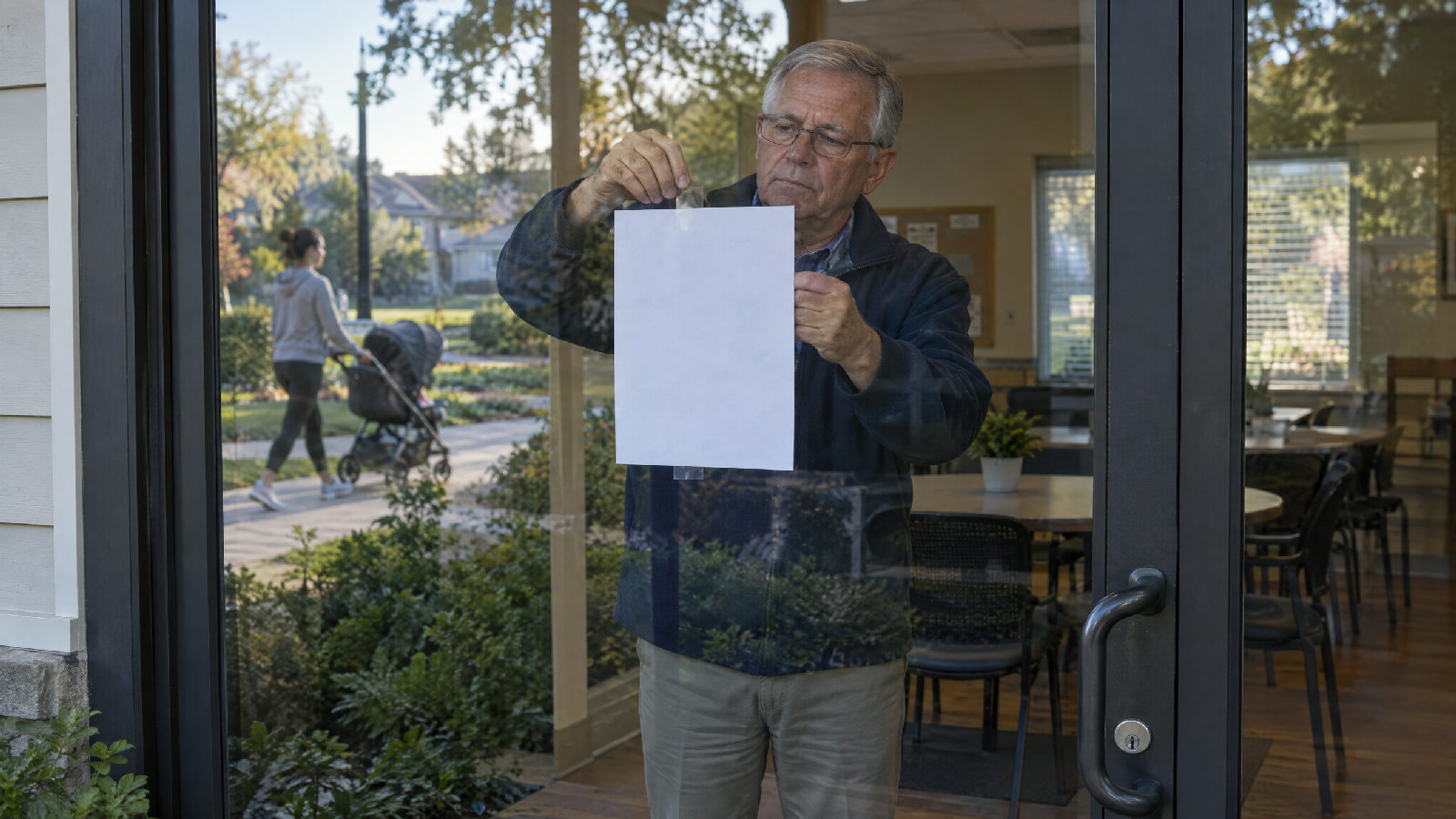
48 hours is the minimum posted notice for a Florida HOA board meeting, and the notice must name the agenda items. — Fla. Stat. § 720.303(2)(c)
Done: the notice posted or sent, with the date written on the file copy so nobody has to wonder later.
Step 4 — Get the papers to every director days ahead
A director reading the landscaping bid for the first time at the table will ask the questions the bid already answers. Send the agenda, the bids, the financials and any draft resolution a few days before the meeting, in one packet.
Ask each director to send questions to the person bringing the item, not to the whole board. Many get answered in a line or two, and the meeting gets the decision instead of the discussion. Keep it one to one: Florida's statute counts any gathering of a quorum to conduct association business as a board meeting, so save the board-wide debate for the table.

One limit: email is for questions, not votes. In Florida, directors "may use e-mail as a means of communication but may not cast a vote on an association matter via e-mail."
Done: the packet sent, and every director's questions answered before the meeting.
Step 5 — Run the meeting on small-board rules
Start on time. Count the quorum out loud and write it down. Ask whether anyone objects to the agenda, and then follow it.
Now use the rules written for a board your size. As Gurdon H. Buck sets out for the American Planning Association, under the small-assembly rules in Robert's Rules of Order Newly Revised:
- motions need not be seconded;
- there is no limit on how many times a member can speak, though it is not proper to speak again while someone who has not spoken wants to;
- informal discussion is allowed before a motion is made, as long as the agenda is followed;
- when a proposal is perfectly clear, the board can vote without a formal motion, once the chair states it;
- the chair can join the discussion and, subject to the board's rules or custom, make motions and vote.
That is not sloppiness. It is the rulebook's own answer for a small table.
For each decision on the agenda, the chair runs the same four beats: the person bringing it presents it in two minutes, the board discusses, the chair states exactly what is being decided, and the board votes. The chair then says the result out loud, so the secretary writes down the words the board actually approved.

If an item is not ready, do not let it drift. Defer it to a named meeting and say what has to happen first.
A meeting that ends in six decisions and a written action list was run well, whatever it felt like in the room.
Done: every agenda line ends in a vote, a deferral to a named date, or "no action needed," and the secretary has each one in writing.
Step 6 — Give homeowners their time, and close the door only when the law allows
Homeowner time is not a courtesy to squeeze in. In some states it is the law.
In North Carolina, at regular intervals the board must give owners "an opportunity to attend a portion of an executive board meeting and to speak to the executive board about their issues or concerns." The board may set reasonable limits on how many speak on each side and for how long.
In Florida, members have the right to attend all board meetings and to speak on all designated agenda items. The association may adopt written rules on how often and how long, including a sign-up sheet. If 20 percent of the voting interests petition the board, the item goes on an agenda within 60 days, and each member who signs the sign-up sheet, or asks in writing before the meeting, may speak on it for at least 3 minutes.
Write your speaking rule down, put it on the agenda and read it out when homeowner time starts. A written rule applied the same way every month ends most arguments before they begin.
Closed sessions are narrower than many boards think. Florida opens board meetings to all members, except a meeting with the association's attorney about proposed or pending litigation, and a meeting held to discuss personnel matters. Check what your state allows before you ask anyone to leave the room.
Done: a written homeowner-speaking rule on the agenda, and no closed session the law does not allow.
Step 7 — Write the minutes as a record of decisions
Minutes are not a transcript. Record what the board decided, not every opinion: the date and place, who attended, whether a quorum was present, each motion in the exact words voted on, and the result.
Record each director's vote. In Florida it is required: "a vote or abstention from voting on each matter voted upon for each director present at a board meeting must be recorded in the minutes." Directors there also may not vote by proxy or by secret ballot at board meetings, except that a secret ballot may be used to elect officers.
End the minutes with the action list: what was decided, who does it, and by when. Send the draft to the board within a few days, while everyone still remembers, and approve it as the first routine item next time.

Done: the draft minutes and the action list sent to every director, and the action list copied to the top of the next agenda.
How to tell it worked
Run one cycle, then check these.
- The meeting started on time and ended at the time on the agenda.
- Every agenda line ended in a decision, a deferral to a named date, or "no action needed."
- Each director's vote is in the minutes for every motion.
- The draft minutes reached the board within a week.
- Every open action item has one name and one date beside it.
- The next agenda opens with last month's action list.
Six ticks is a board that runs itself. Fewer tells you exactly which step to tighten next month.
Bottom line: A board meeting is won in the week before it and kept in the minutes after it. Write the agenda as decisions, give notice the lawful way, use the small-board rules your rulebook already gives you, and leave with a written action list. Run one cycle this way this month.
Frequently asked questions
How do you run an HOA board meeting? Read the quorum, notice and rules-of-order sections of your bylaws, write the agenda as a list of decisions, give notice the way your state and bylaws require, and send the papers to every director a few days ahead. At the table, confirm the quorum, follow the agenda, use the small-board rules in Robert's Rules for a board of about a dozen or fewer, and record each decision and each director's vote in the minutes.
Does a motion need a second at an HOA board meeting? Not under the small-board rules in Robert's Rules of Order Newly Revised, which apply to boards and committees of about a dozen or fewer. Check your bylaws: some adopt different rules.
Can the board president vote at an HOA board meeting? Under the small-board rules, the chair can join the discussion and, subject to the board's own rules or custom, make motions and vote. Your bylaws may say more.
Can an HOA board vote by email? It depends on your state and documents. In Florida, directors may use email to communicate but may not cast a vote on an association matter by email.
Can homeowners speak at HOA board meetings? In North Carolina the board must give owners a chance to speak at regular intervals, with reasonable limits. In Florida, members may speak on all designated agenda items, under written rules the association may adopt.