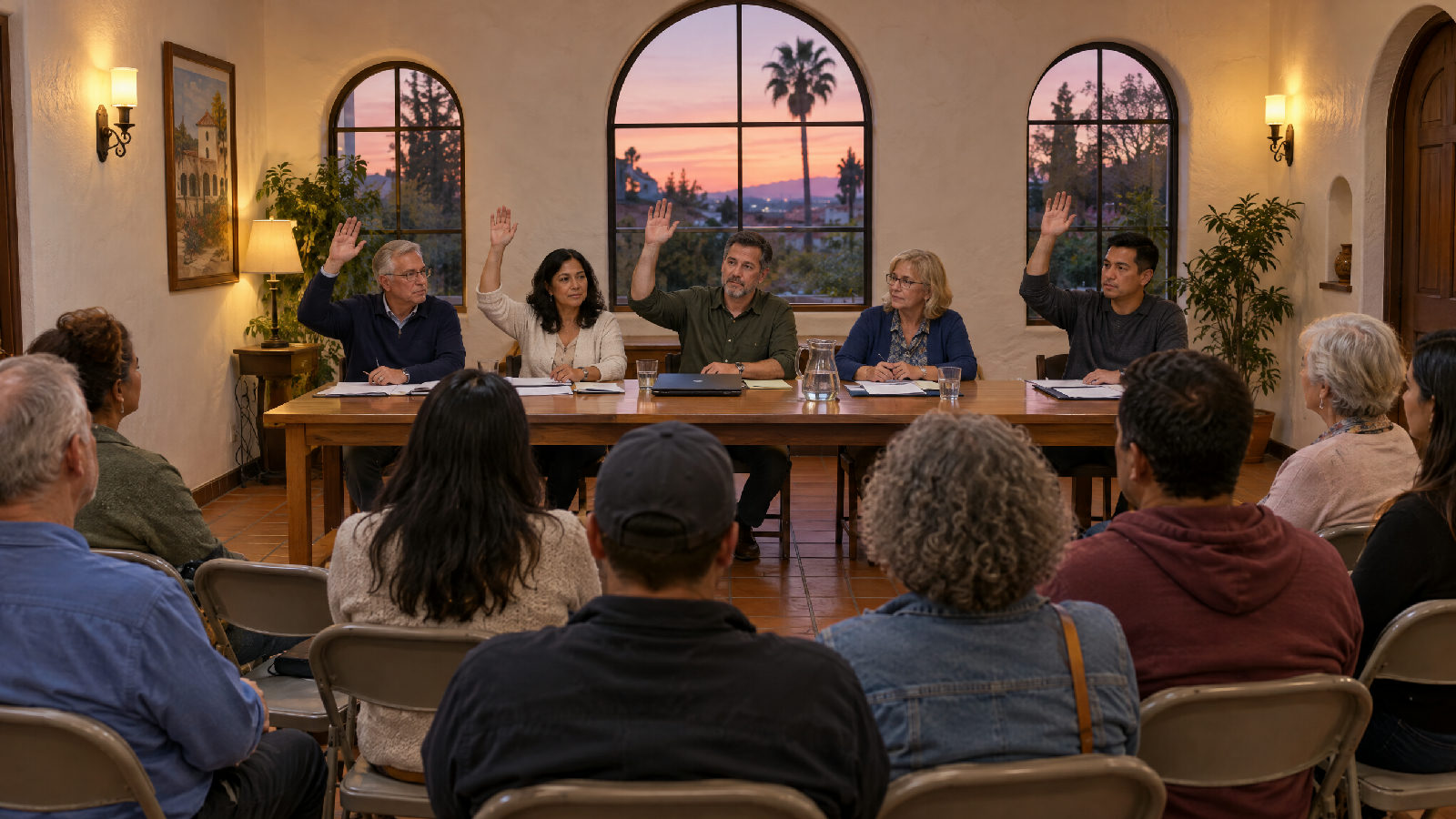
A landscaping bid lands in the board's inbox on a Tuesday. Two directors reply "approved," a third adds a thumbs-up, and the contractor starts Monday. In California, that vote never happened: Section 4910 of the Civil Code says a board shall not take action on any item of business outside a board meeting, and an email thread is not a meeting.
California is strict about how a board decides and how it shows the money. It never asks for a manager.

The short answer
- A California HOA board must decide only in noticed meetings, never by email, send the agenda 4 days ahead, open current records within 10 business days, and send a budget report and policy statement every year.
- The Davis-Stirling Act sets those rules for a condominium or planned development once the declaration is recorded and a home with common area is sold.
- It does not require a manager or an audit. It does require a reserve study every three years when the major components are worth at least half the yearly budget, and it caps most fines at 00 per violation.
Last reviewed: October 4, 2026
Which law governs your community
The Davis-Stirling Common Interest Development Act begins at § 4000 of the Civil Code and covers condominiums, planned developments, community apartment projects and stock cooperatives (§ 4100). The test is in § 4200: the Act applies once a home with an interest in the common area or membership in the association has been sold, provided the declaration, any condominium plan and any required map are recorded. A development with no common area is outside it (§ 4201), and so is a commercial or industrial one (§ 4202). Your declaration and bylaws can add more.
The ten things the Davis-Stirling Act actually requires
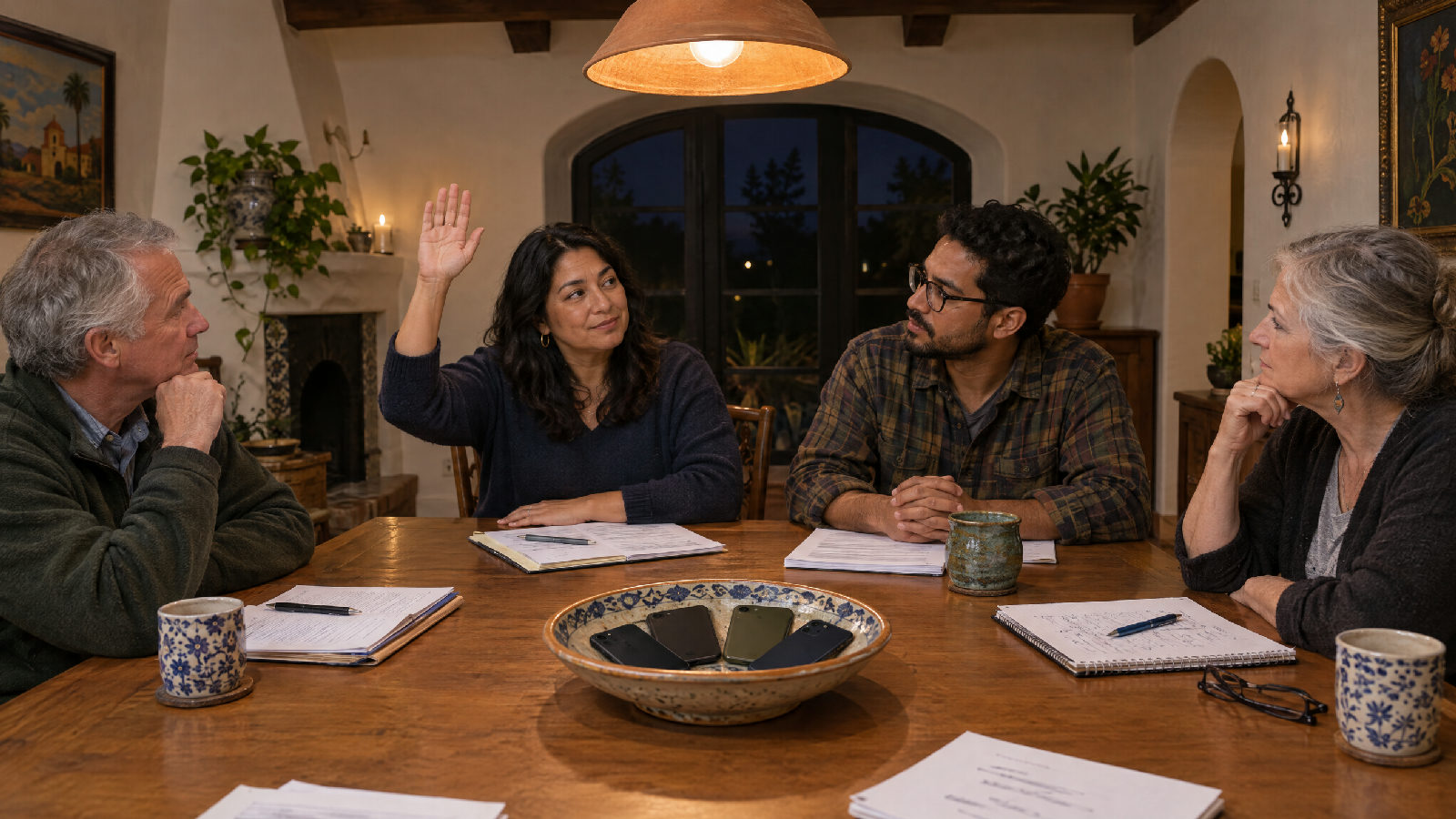
1. Decide in a meeting, never by email. The board may not act outside a board meeting, or hold a meeting through a series of emails or other electronic messages (§ 4910). The one exception is an emergency meeting, and only if every director consents in writing and the consents are filed with the minutes. A video or phone meeting does count (§ 4090); one held entirely online needs, among other conditions, a telephone option for everyone and roll-call votes (§ 4926).
2. Give 4 days' notice, with the agenda, and stick to it. Notice of a board meeting goes out at least 4 days ahead, or 2 days for a meeting held solely in executive session, and it contains the agenda (§ 4920). Outside narrow exceptions, such as an emergency, the board may not discuss or act on anything not on that agenda (§ 4930). Any member may attend and speak, within a reasonable time limit (§ 4925). Executive session is for litigation, contracts, discipline, personnel, a member's payment-plan meeting and the decision to foreclose (§ 4935). Minutes, draft or summary, are available within 30 days (§ 4950).
3. Open the records on the statute's clock. A member may inspect and copy the records (§ 5205), from the general ledger to contracts, invoices and bank statements (§ 5200). Current-year records are due within 10 business days, the two previous fiscal years' within 30 calendar days, and minutes stay open permanently (§ 5210). Redacting invoices and bank statements can cost the member up to
0 an hour, capped at $200 a request (§ 5205). The association may withhold what invites identity theft, privileged material and other members' discipline and payment records, but, outside attorney-client privilege, not what it pays its employees, vendors and contractors (§ 5215). A court that finds records unreasonably withheld awards the member's costs and attorney's fees, and may add up to $500 per request denied (§ 5235).4. Send the budget packet every year, and have the books reviewed. Thirty to 90 days before the fiscal year ends, the association distributes an annual budget report (§ 5300): the operating budget, the reserve summary and funding plan, deferred repairs, expected special assessments, loans and insurance. The annual policy statement, with the collection policy, fine schedule and dispute resolution, comes in the same window (§ 5310). When gross income exceeds $75,000, a licensee of the California Board of Accountancy reviews the financial statement, and members get it within 120 days after the year closes (§ 5305).
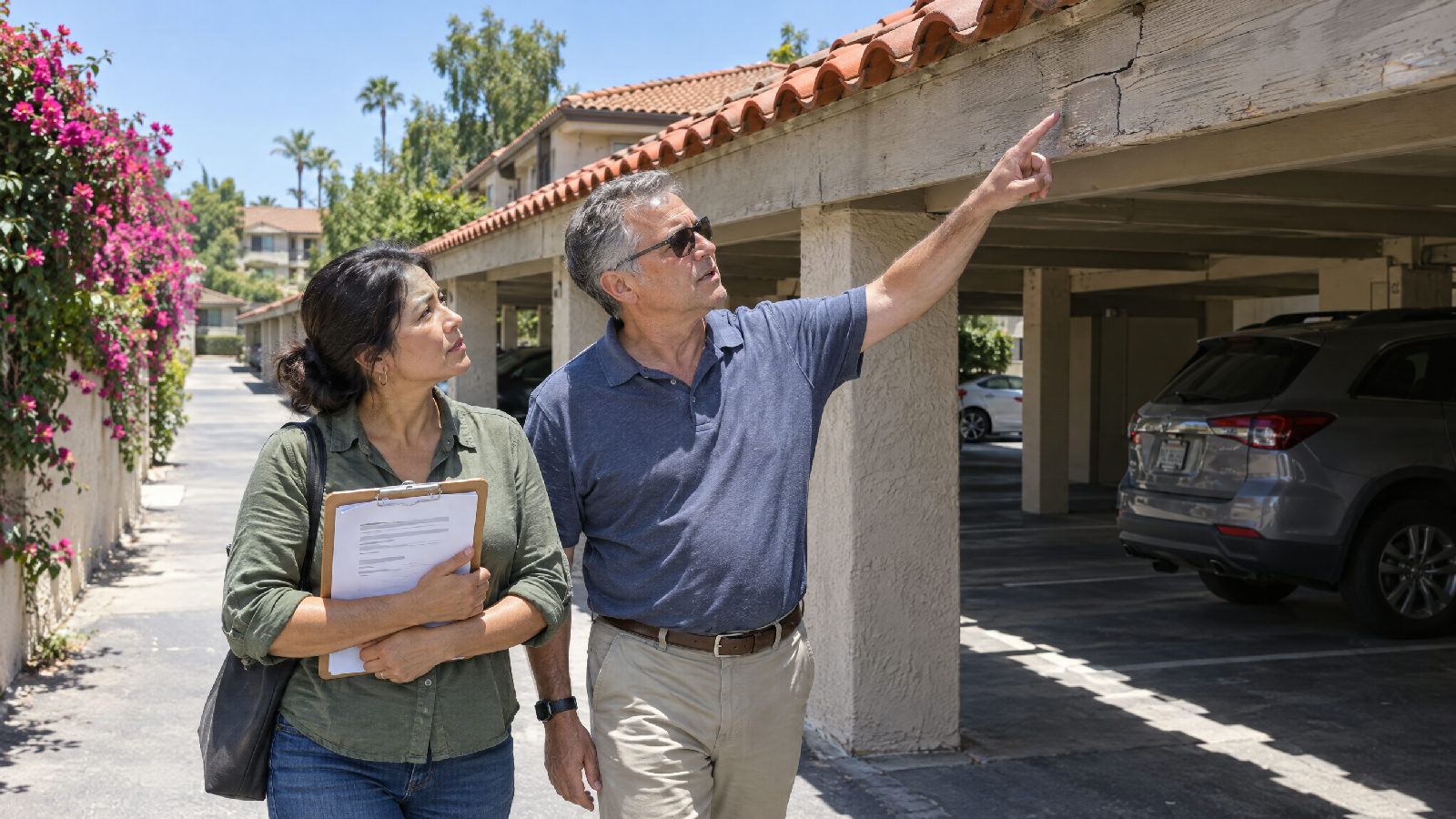
5. Review the money monthly, and study the reserves. Every month the board reviews the account reconciliations, actuals against budget, bank statements, the check register, the general ledger and the delinquency report (§ 5500). A reserve withdrawal takes two signatures, from two directors or a director and an officer, and reserves are spent only on repairing, replacing or maintaining the major components they were set aside for, or litigation over them (§ 5510), apart from a temporary transfer to operating that must be repaid (§ 5515). At least every three years, if the major components' replacement value is at least half the gross budget (reserves excluded), the board has them visually inspected for a reserve study, and it reviews the study yearly (§ 5550). The reserve funding plan is adopted at an open meeting (§ 5560).
6. Stay inside the assessment limits, or ask the owners. Without approval from a majority of a quorum of members, the board may not raise the regular assessment more than 20 percent over last year, or levy special assessments totaling more than 5 percent of budgeted gross expenses (§ 5605). The limits do not apply to an emergency (§ 5610):
- a court order;
- a newly discovered threat to health or safety;
- an unforeseeable repair, only after a written board resolution sent with the notice.
Owners get notice 30 to 60 days before any increase is due (§ 5615).
7. Collect by the statute's ladder. An assessment is delinquent 15 days after it is due, unless the declaration allows longer; the late charge is capped at 10 percent or
0, whichever is greater, and interest at 12 percent a year from day 30 (§ 5650). Payments go to assessments first, and only then to collection costs, attorney's fees, late charges and interest (§ 5655). Before a lien:The order California law sets before an assessment lien.
- Certified letter: 30 days or more before the lien
- The offer: Meet and confer, held if the owner asks
- Open vote: A majority of the board, in the minutes
- The lien: Recorded with the county
The letter itemizes what is owed and explains the owner's rights (§ 5660), including a payment-plan meeting with the board within 45 days if asked for in time (§ 5665); the association must also offer to meet and confer (§ 5670). What many boards do not know: the decision to record the lien belongs to the board alone and cannot be handed to a manager or collector (§ 5673). An association cannot foreclose for less than
,800 in assessments, not counting fees, charges and interest, unless the assessments are more than 12 months delinquent (§ 5720), and a foreclosure vote is the board's, in executive session, at least 30 days before any sale (§ 5705).
8. Run elections by secret ballot, with an outsider counting. Director elections and removals, document amendments and assessment votes the law requires are held by secret ballot, and every seat is elected at least once every four years (§ 5100). The association adopts election rules (§ 5105) and picks one or three independent inspectors of elections: never a director, a candidate, their relatives or anyone it pays for other work (§ 5110). Ballots go to every member at least 30 days before the deadline (§ 5115), are counted in public at an open meeting, and the results go out within 15 days (§ 5120).
9. Publish the fine schedule, keep most fines to 00, and hold the hearing. If the association fines, the board adopts a schedule of penalties and distributes it in the annual policy statement (§ 5850). No late charge or interest is added to a fine.
00 per violation is the most a California board may fine, unless it finds in writing, at an open meeting, that the violation may harm health or safety. — Cal. Civ. Code § 5850(c)–(d)
Before discipline, the member gets written notice of the hearing at least 10 days ahead, naming the violation (§ 5855). A member who cures it before the meeting cannot be disciplined. The decision goes out in writing within 14 days, and discipline that skips these steps has no effect.
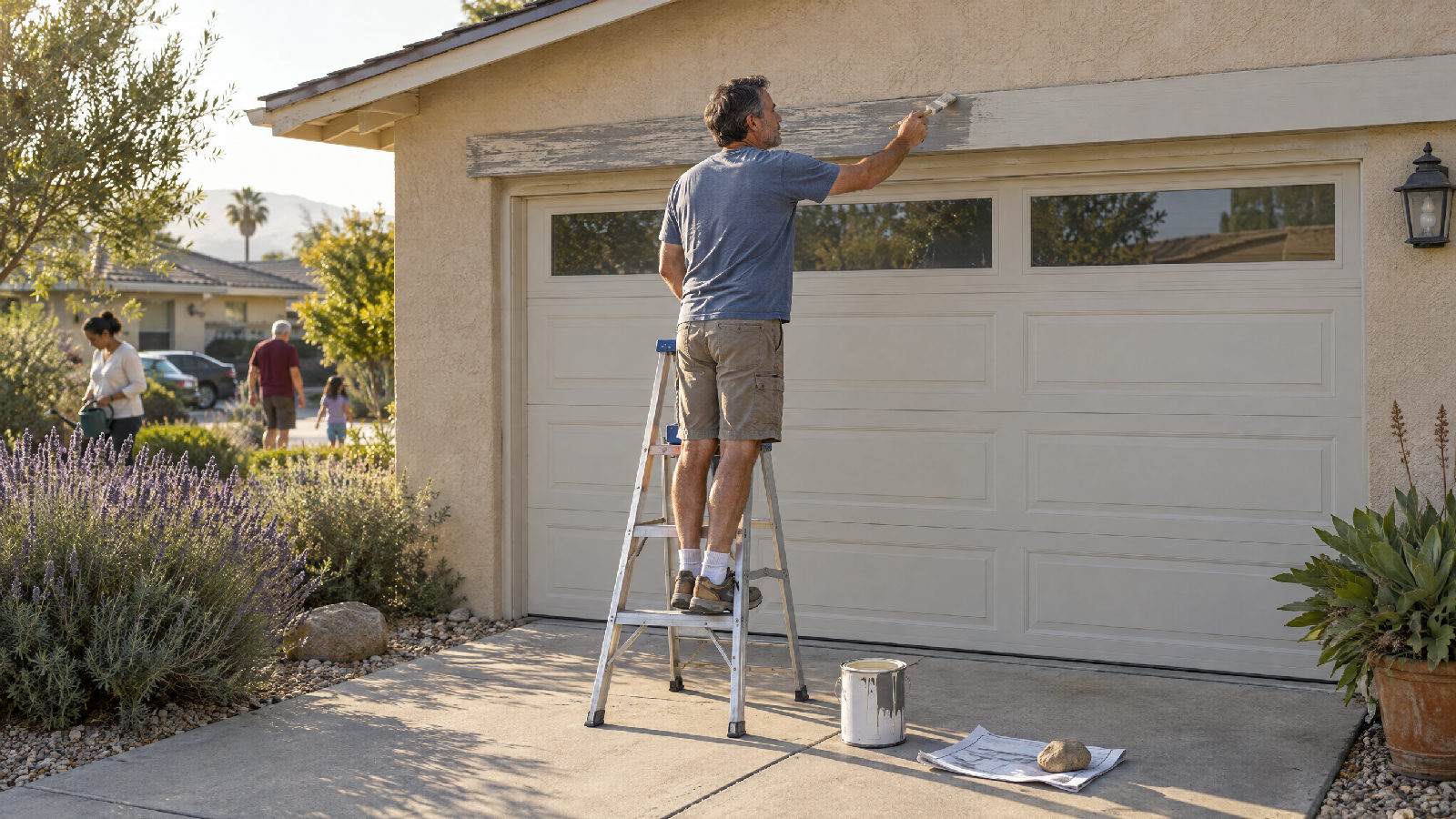
10. Decide architectural requests in writing, and reconsider in the open. If your documents require approval for a physical change, the association needs a fair, expeditious procedure with prompt deadlines, a good-faith decision, and that decision in writing (§ 4765). A denial explains why and how to ask for reconsideration, which the board hears at an open meeting. Members are told yearly which changes need approval.
Meet and confer A member can invoke the association's dispute procedure, and the association must take part, at no fee to the member (§ 5910). Under the default meet-and-confer procedure, the board designates a director to meet (§ 5915).
What the law does not require
- No management company. Section 5375 asks a "prospective managing agent" for a written disclosure before the board signs; nothing makes the board sign.
- No audit. Section 5305 asks for a review, not an audit. Your governing documents may ask for more.
- No fully funded reserve. The Act asks for a study and a funding plan. Its own formula for the reserve summary "shall not be construed to require the board to fund reserves in accordance with this calculation" (§ 5570(b)(4)).
California does not ask a volunteer board to hire a manager. It asks the board to decide in the open and show its work.
What this means for a self-led board
Most of Davis-Stirling is a calendar: 4 days before every meeting, 30 days for minutes, 10 business days for records, 30 to 90 days before year end for the budget packet, three years for the reserve study. The rest is a habit: decide in the room, not the inbox. Trouble starts when the calendar lives in one director's head and the decisions live in a group chat.
Three things to do this week:
- Search the board's email for "approved" since the last meeting, and put anything decided there on the next agenda.
- Check your fine schedule: any penalty over 00 needs a written health-or-safety finding behind it.
- Find your reserve study's date. Section 5550 sets a three-year cycle when the major components are worth at least half the budget.
The takeaway
California does not ask a board for a manager. It asks for decisions in noticed, open meetings, records on time, a budget packet every year, a reserve study every three years, and a letter and a vote before every lien. A self-led board can run every line of it.
What Does an HOA Board Actually Have to Do Legally in Texas?
Frequently asked questions
Can our California HOA board vote by email? No. Section 4910 bars action outside a board meeting and bars meeting by email, except an emergency meeting with every director's written consent filed with the minutes.
Does California require our HOA to have a reserve study? Yes, when the major components' replacement value is at least half of the gross budget (reserves excluded): a visual inspection at least once every three years, reviewed every year (§ 5550).
How much can a California HOA fine a homeowner? No more than the published schedule or
00 per violation, whichever is lower, unless the board makes a written health-or-safety finding at an open meeting (§ 5850).This is a plain-language guide, not legal advice. Your governing documents and an attorney licensed in California have the final word.
Sources:
- California Civil Code, Part 5 of Division 4 (Davis-Stirling Common Interest Development Act), §§ 4000–6150, read on leginfo.legislature.ca.gov