
The short answer
- A join is any place a person carries information from one tool to another. Retyping, re-uploading, forwarding and remembering all count.
- Your budget funds your joins whether you count them or not. The hours are unpaid, so they never show up as a line.
- Before the vote, count them and close exactly one. One seam, closed by someone already in the room.
You can count your HOA's joins in fifteen minutes, and you should do it before the board votes on next year's budget. A join is any moment a person carries information from one place to another, and every community has more of them than anyone has written down.
This is the part of the week where we stop describing the problem and hand you something to do. If you have been following the modern HOA operating model, you already know the argument. Now the exercise.
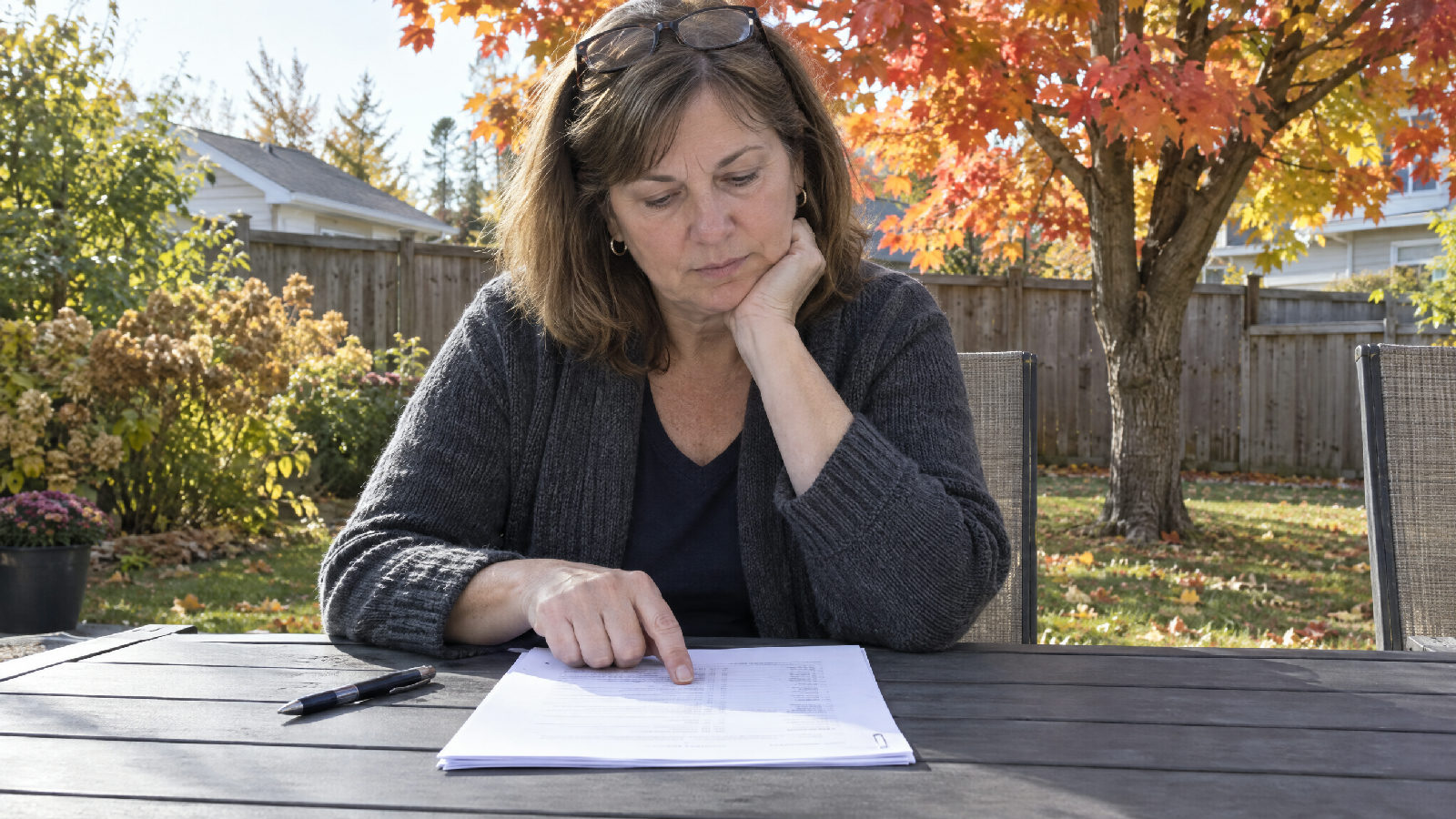
Step 1 — Draw the seven rows
Take a blank sheet and write down the seven things every community has to do:
- Collect dues
- Keep the books
- Hold the documents
- Run votes
- Handle requests and violations
- Keep resident history
- Communicate with owners
Next to each row, write two things: where it lives today, and who holds the keys. Be literal. "The shared drive" is an answer. "The treasurer's laptop" is an answer. "Kind of everywhere" is also an answer, and it tells you something.
Step 2 — Draw a line for every carry
Now draw a line every time a human has to move something from one place to another. Count the lines. Each of these is one:
- Retyping a payment from the portal into the books
- Re-uploading a document so a second system has a copy
- Reconciling two lists that should match
- Forwarding an email so the right person sees it
- Remembering to do something because no system will remind you
Keep counting until you run out of lines, not patience.
Worth knowing The number is not a grade. A high count means you built a working system out of the parts you were sold, not that you built it badly.
Step 3 — Read the number as a budget line
Here is why this belongs in October. Many communities draft next year's budget this time of year, and a budget funds an operation. Every line you counted is work somebody will do next year, and it is work the draft does not mention, because the person doing it is a volunteer.
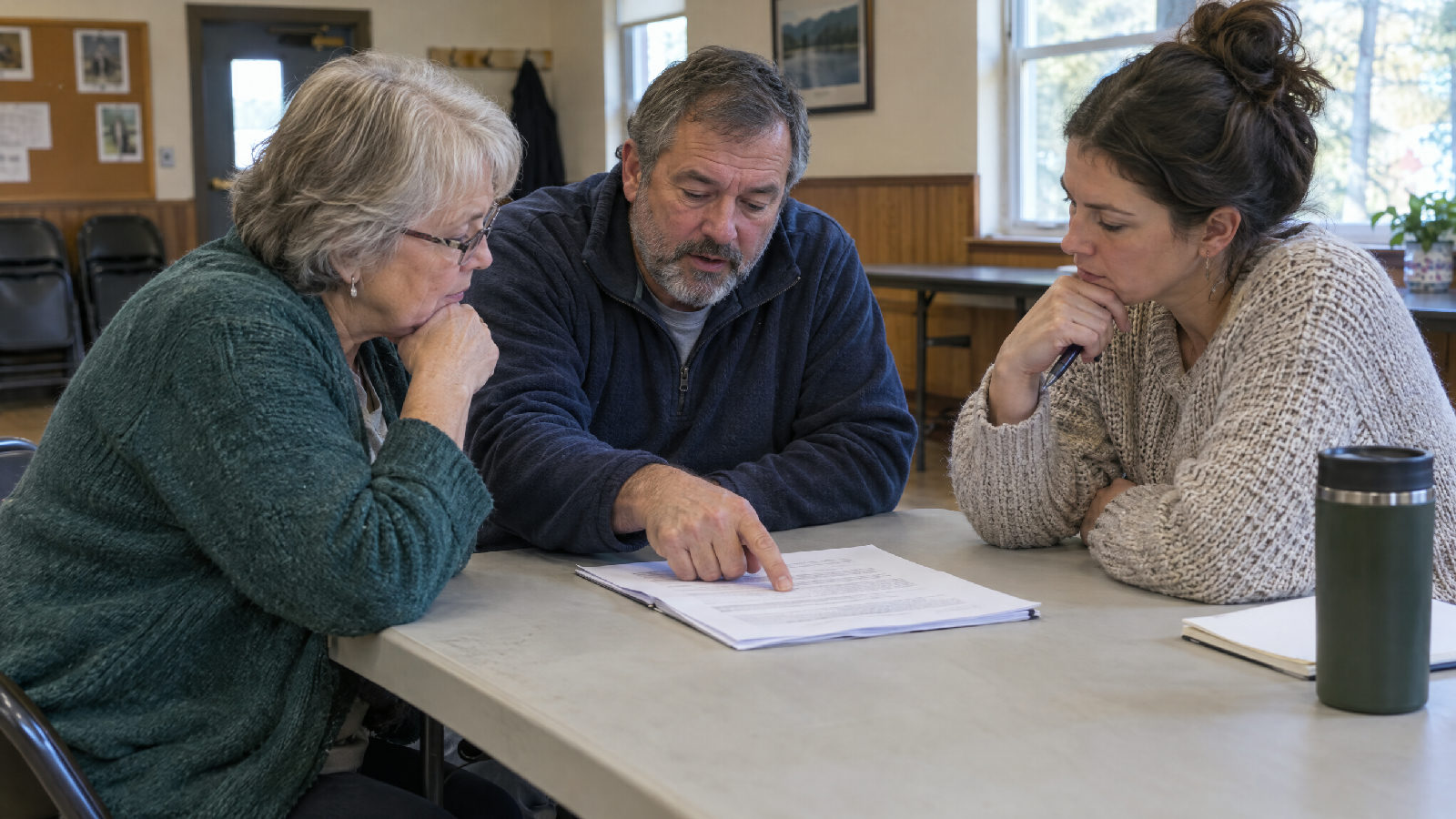
The question for the budget meeting is not "can we afford this?" It is "do we know what we are already asking for?" A board that has counted its joins can answer. A board that has not is voting on an operation it has never mapped.
The exercise, in order.
- Rows: List the seven jobs
- Homes: Write where each lives
- Lines: Draw every carry
- Count: Total the lines
- Cut: Close exactly one
Step 4 — Close exactly one
This is the step that matters, and it is smaller than you think. Do not start a migration. Do not evaluate vendors. Do not add a line item for next year. Pick one seam and close it before the vote.
Choose the one that is cheapest to fix and most painful to leave. A few examples of what "closed" looks like:
- Two lists that had to match now come from one list.
- A document that was re-uploaded to a second place now lives in one place and is linked from the other.
- A thing someone remembered to do now has a date, a name and a recurring reminder on the board calendar.
- A step only one person knows is written down by that person, in a page the next treasurer can find.
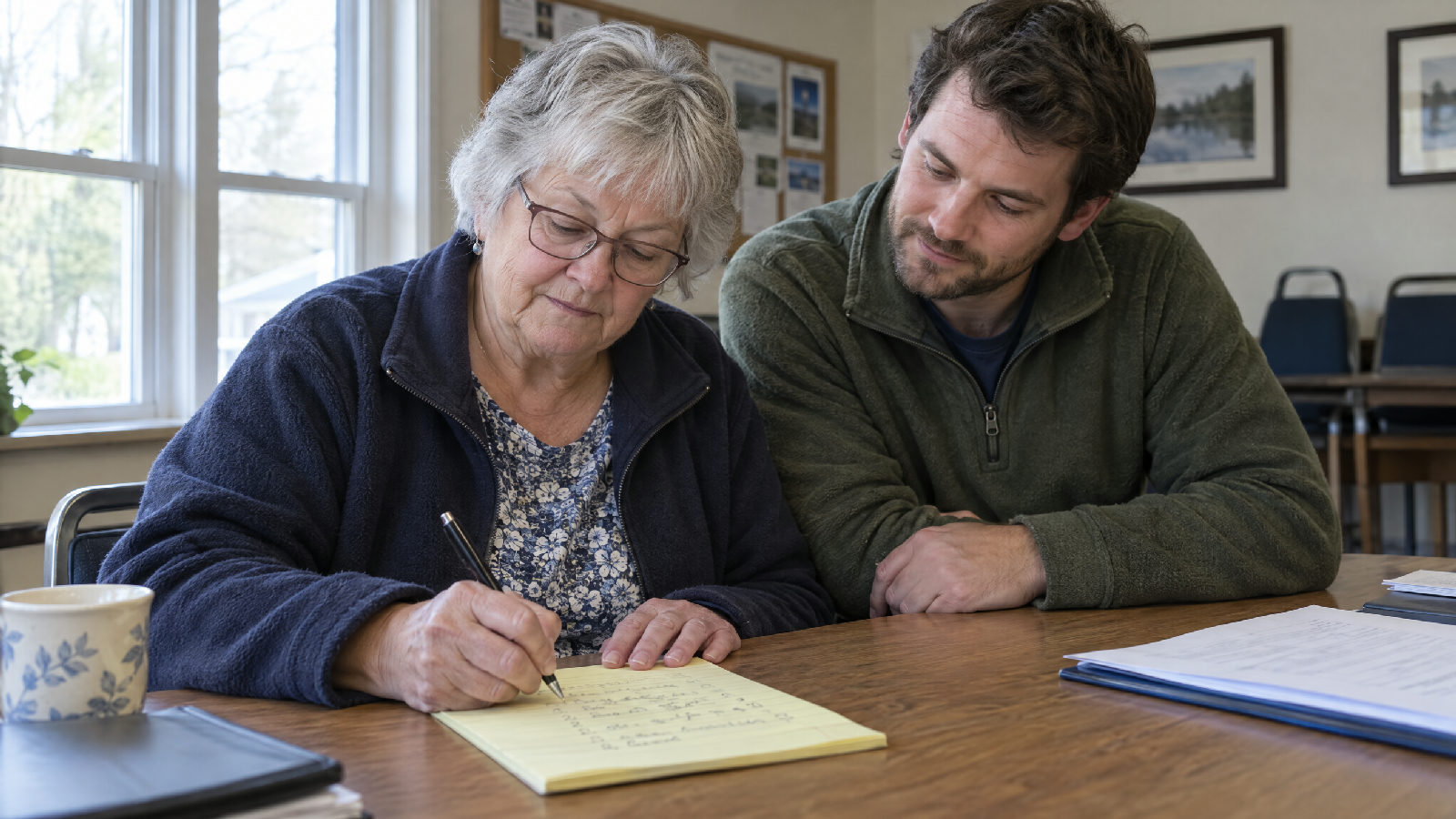
The test for a closed seam is simple. Could a new volunteer do that step next month without asking you how?
Frequently asked questions
How long does counting your joins take?
About fifteen minutes with the people who run the money, dues, and records. If it takes longer, the answer to "where does this live?" is probably more than one place, and that is worth knowing.
Do I need new software to close a join?
No. The first seam is usually closed with a decision, a written step or a shared list. Tools matter later, once you know which seams are worth removing.
What if we count and the number is high?
That is the point of counting. A high number is a map of where the work is, not a verdict on the board. Close one this month and bring the count to the next budget meeting.
What to bring to the budget meeting
Bring the sheet. Show the count, name the seam you closed, and name the next one you intend to close. That is the whole report, and it turns a budget conversation about cost into one about how the community actually runs.
Run the Assembly Map on your own community, count your joins, and remove one before you vote. If you want the one-page version of the exercise, it is the free gift below.