Short answer first: it costs money, and it costs more the longer the seat sits empty. When too many directors are missing to reach quorum, an HOA can't legally vote on anything — and in enough cases to matter, a court eventually appoints someone to run the community instead: a receiver, usually a lawyer, billing by the hour, paid out of the very account that was supposed to fix the roof.
That's not a hypothetical dressed up to sell software. Monday's piece named the job-description problem behind the silence at your annual meeting. Tuesday's piece named the institutional knowledge that disappears with the person who finally quit. Neither one put a number on what happens next if the seat just stays empty. This one does.
$200+ per hour is what receivers sometimes charge, for tasks your elected board would have done for nothing. — Kuester Management
The chain the industry already describes — it just skips the middle
Search for "no one wants to serve on our HOA board" and you land on the same management-company blogs Monday's piece already named: Mosaic HOA, Don Asher & Associates, CondoControl, RealManage. Read RealManage's own list of signals for "you need us now," and financial disorganization sits right next to board burnout — struggling to produce accurate monthly statements, reconcile accounts, or keep reserves funded, named as the telltale sign that follows burnout, not a separate problem. Read Mosaic's volunteer-crisis piece and it says plainly that failing to fill the board carries real financial consequences — pointing at the same court-appointed receivers this piece is about to put a number on.
Put those two admissions next to each other and the chain draws itself: burnout empties the seat. The empty seat breaks quorum or lets the books slide. Broken quorum and sloppy books are exactly what "financial disorganization" means on a sales page. And financial disorganization is the stated reason to hire a manager. Every link in that chain is something a competitor has already said about your situation, in their own marketing copy. What none of them says out loud is what it costs to walk the chain instead of interrupting it early.
The chain the industry describes, usually told from the ending.
- Burnout
- An unfilled seat
- Disorganized finances
- "Hire us"
Stage one: the receiver, billed by the hour
Here's the specific mechanism. Miss quorum badly enough — not one meeting, but repeatedly, with too few directors left to reach it — and an HOA can end up with nobody legally authorized to sign a check, approve a contract, or represent the association in court. At that point, any member or creditor can ask a court to step in, and the court's standard fix is a receiver: usually an attorney, appointed to run the community's affairs until a real board can be seated again.

Receivers are not volunteers. Kuester Management, a property-management company that has walked communities through exactly this, puts the number plainly: receivers "can be quite expensive, sometimes charging more than $200 per hour" — for tasks your elected board would have done for nothing. KSN Law Firm describes the same arrangement from the legal side: a receiver is entitled to a salary and reimbursement of costs and attorneys' fees, payable out of the association's own funds. Hundreds of dollars an hour, billed monthly, with court filings required on top. Not paid by the volunteers who let the seat sit empty. Paid by every household in the community — including the ones who would have gladly served, if the seat had ever been small enough to say yes to.
That money doesn't come from nowhere. It comes out of the same reserve account that was supposed to fund the roof, the parking lot, the pool resurface — the exact maintenance a board's absence was already letting slide.
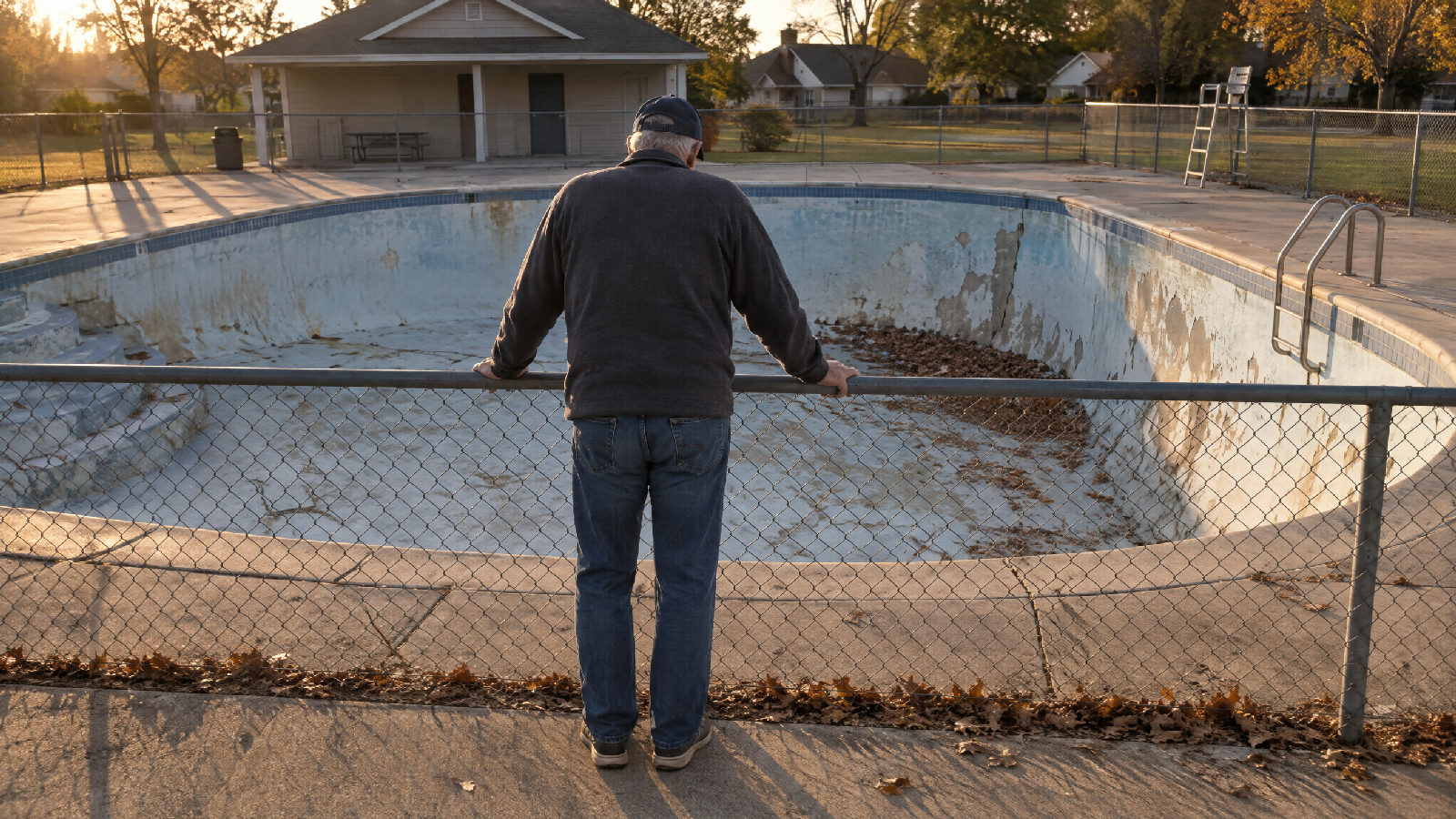
Stage two: what "letting it slide" turns into
Deferred maintenance doesn't hold still while a board is short-staffed. It compounds — a delayed inspection becomes a bigger repair, a bigger repair becomes an emergency, and an emergency gets paid for however the board that's left can manage it. You don't need a receivership for this part to get expensive. A 499-unit condo association in Torrance, California, let a podium rebuild, a full re-piping, and elevator repairs wait long enough that the eventual bill came to
9 million — a special assessment of more than $49,000 per unit, reported by ABC7 Los Angeles and confirmed by multiple outlets, now the subject of both a lawsuit and a board recall. That's not a receivership story. It's what "we'll get to it" becomes when nobody's checking on it regularly — which is precisely what a board running on one exhausted volunteer, or no volunteer at all, stops doing.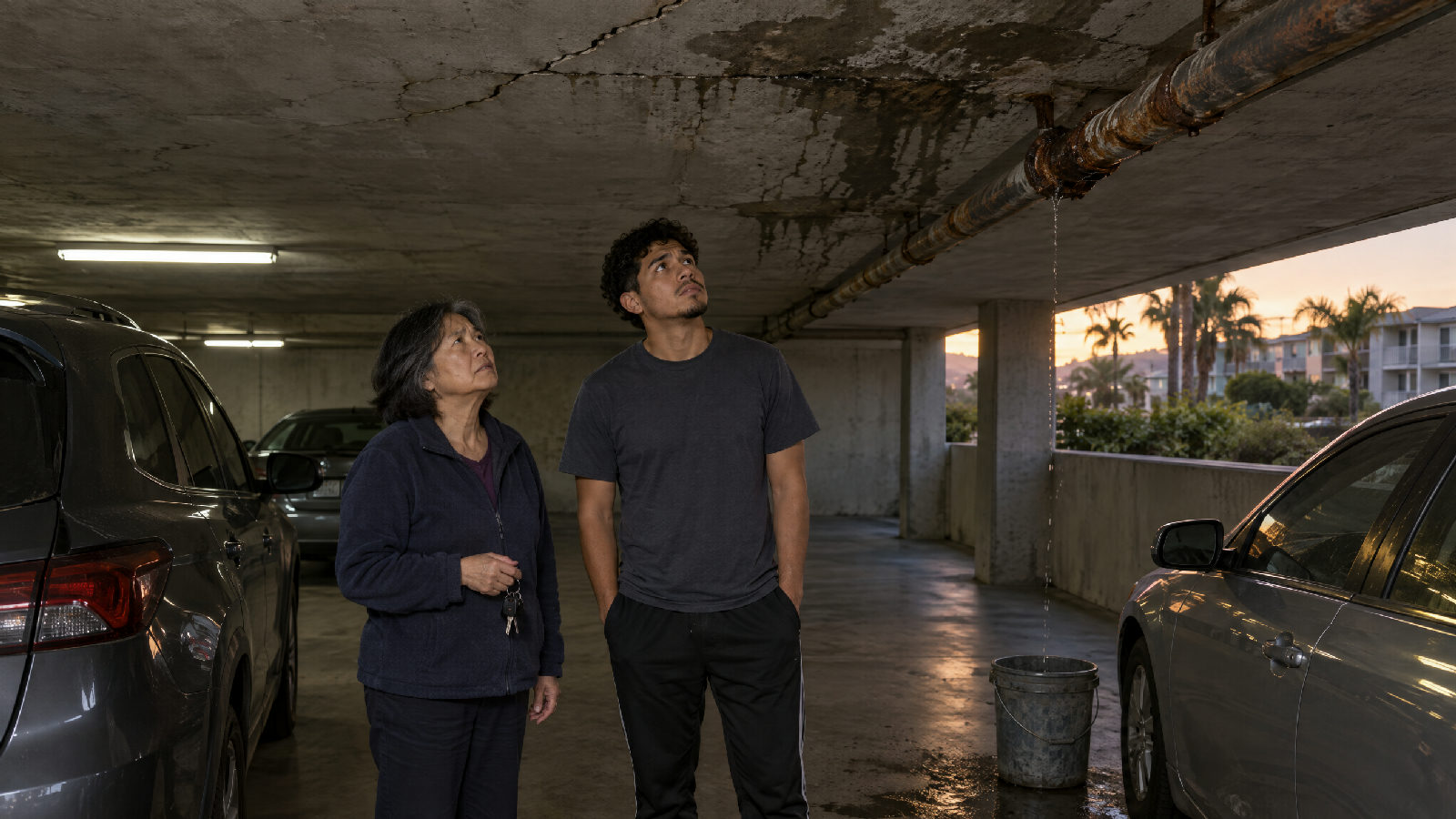
Torrance, California · ABC7 Los Angeles
9 million
- 499 units in the condo association
- $49,000+ special assessment per unit
- A podium rebuild, a full re-piping and elevator repairs left to wait
Stage three: the bill you can't see coming
The last stage is the one that hits homeowners who did nothing wrong. Lenders evaluate an HOA's financial health before approving a mortgage on a unit inside it — thin reserves, sloppy books, and high delinquency all read as risk on an underwriter's checklist. We've written before about the exact delinquency threshold that can freeze financing for an entire community; the short version here is that the same conditions a receivership or a deferred-maintenance crisis produces are precisely what gets a community flagged. Once that happens, the pool of buyers who can actually get a loan shrinks, and prices follow. A homeowner who never missed a meeting, never dodged a duty, and had no say in whether the seat next to theirs got filled can watch their own equity take the hit anyway.

Who actually pays for this
Not the neighbor who wouldn't take the seat. Not the volunteer who finally quit after three unpaid terms. Everyone who owns a home in the community pays — in receiver fees billed by the hour, in a special assessment that ballooned because nobody caught the small version, in a mortgage that got harder to get for a buyer who never even met the board. That's the real cost of treating an unfillable seat as someone else's problem to solve eventually. It was never a people problem. It's a bill with everyone's name on it, arriving on a schedule nobody chose.
And here's the part that should sting a little: by the time a community reaches for the professional management contract this chain eventually leads to, it isn't shopping anymore. It's buying whatever's in front of it, at whatever the crisis rate is, because the leverage to negotiate disappeared the same month the board did. The two cures Monday's piece named — train harder, hire a manager — still apply here. They're just a lot more expensive when you reach for them mid-emergency instead of on your own schedule.
Why No One Will Join Your HOA Board (It's Not the Volunteers — It's the Seat)
The checklist that catches this before the invoice does
You don't need a court filing to find out if your board is already on this path. You need ten minutes and an honest look at four questions:
- Is quorum reliably making it to every meeting, or is it close every time?
- Are financial signatures concentrated in one or two people who might not be around next quarter?
- Are the books current, or is "current" doing a lot of work in that sentence?
- Has anything — a vendor renewal, a records request, a reserve transfer — quietly slipped because nobody with the authority to approve it was in the room?
We built the free Vacancy Warning Checklist — fourteen yes/no questions across the same four stages this piece just walked through, with a plain read-out at the end telling you how far down this chain your board already is. It takes less time to run than it took to read this section.
Frequently asked questions
What happens when an HOA board can't fill an open seat? In most states, existing directors keep serving until someone is elected. But if enough seats stay empty to break quorum, the board can't legally vote, sign contracts, or in some cases access its own bank accounts — and if that continues, courts can appoint a receiver to run the association instead.
How much does a receiver cost an HOA? Receivers are typically attorneys who bill by the hour — commonly more than $200 an hour — plus required monthly court filings, with the salary, costs, and attorneys' fees paid out of the association's own funds, not by the volunteers who couldn't fill the seat.
Can an empty board seat affect home values or mortgage financing? Yes, indirectly. Lenders evaluate an HOA's financial health before approving a mortgage. Thin reserves and disorganized books — common once a board is stretched too thin to keep up — can flag a community as higher risk, shrinking the buyer pool and pressuring prices.
Does hiring a management company fix this after it happens? It resolves the immediate crisis, but the board signs that contract from zero leverage, mid-emergency, instead of comparing options on its own schedule. The chain the industry describes — burnout, an unfilled seat, disorganized finances, "hire us" — is real. It's just usually told from the ending, not the cost of getting there.
What's the fastest way to check if this is already happening to my board? Run a short warning-sign check: quorum reliability, how many people can actually sign a check, whether the books are current, and whether anything has already stalled for lack of an available director. The free Vacancy Warning Checklist below walks through all four in about ten minutes.
The bottom line
An empty board seat doesn't stay a quiet, private inconvenience forever. Left alone long enough, it becomes a receiver's invoice, a special assessment, or a mortgage that won't close — and every one of those bills lands on the whole community, not the volunteer who couldn't carry the seat anymore. The industry's own sales pages already draw half of this chain for you, because it ends with "hire us." Run the checklist below before it gets that far, and you get to pick the fix — instead of a judge picking it for you.