
Ask a self-managed board "how much can we assess owners before we're legally required to hold a vote?" and most treasurers will guess. A few will say "whatever the declaration allows." Almost none will say the honest answer: it depends on two separate documents, and most boards have only ever glanced at one of them.
That gap is number seven of the seven numbers every HOA board should see monthly — the assessment authority ceiling — and it's the number that turns into a crisis fastest, because it usually goes unchecked until the moment a board needs it most: right after a storm, a lawsuit, or a failed piece of infrastructure, when the pressure to act fast is highest and the incentive to double-check a declaration is lowest.
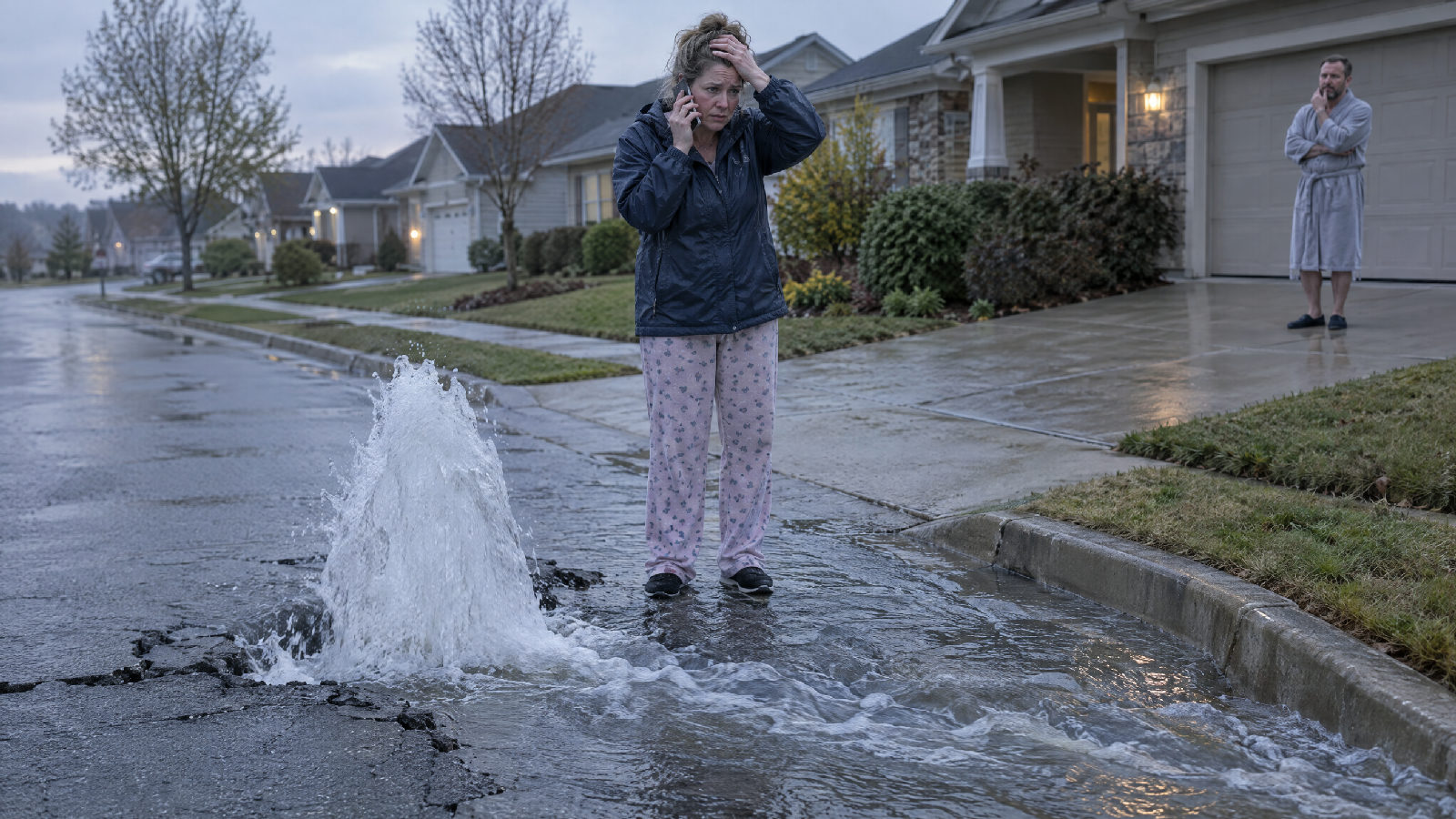
There is no one national answer
Search "how much can an HOA assess without a vote" and it's tempting to want one number back. There isn't one — because the ceiling is set by two different layers that vary by state, and sometimes don't exist at all.
Where a statutory cap exists, it targets different things. California's Davis-Stirling Act, Civil Code § 5605(b), caps special assessments a board can levy without a membership vote at 5% of the association's budgeted gross expenses for that fiscal year — go over that threshold and state law requires majority approval from the ownership, not just the board, unless the board can show the assessment addresses an imminent threat to health or safety, a court order, or an unforeseen repair (a health-and-safety carve-out that California's SB 900 extended to utility infrastructure repairs starting in 2025), according to legal summaries of the statute from LS Carlson Law and MBK Chapman.
North Carolina's Planned Community Act works differently — it doesn't set a special-assessment percentage at all. Instead, N.C. Gen. Stat. § 47F-3-103 caps how far a regular budget can move without owner approval: a proposed budget can't raise common expense liability more than 10% over the prior year without a majority vote, and once a budget is ratified, the board can't push it up more than 5% further without going back to the owners — the mechanism we walked through in detail here. That's a real ceiling, but it caps annual budget growth, not a one-time special assessment the way California's statute does.

South Carolina's Homeowners Association Act sets neither kind of percentage cap. The Act's real teeth is a 48-hour notice requirement (S.C. Code § 27-30-140) before a vote to increase the annual budget — a procedural deadline, not a dollar or percentage ceiling on what a board can assess. In South Carolina, a board's actual assessment authority lives almost entirely in one place: the declaration.
Three states, three different rules — and that's before accounting for the dozens of states with no statutory special-assessment ceiling at all, where, per the Community Associations Institute's own public policy on assessment limitations, the trade group representing community associations actively advocates for boards to retain discretion to adjust assessments for health, safety, and required repairs without a membership vote in the first place. CAI's position exists precisely because the alternative — a board that can't act fast enough on an urgent repair — has its own real cost. The statute, where one exists, isn't trying to replace board judgment. It's drawing an outer boundary around it.
The document that actually matters, every time
Whatever a state statute does or doesn't say, one document always applies: the declaration (or CC&Rs) that created the association. State law is a ceiling on top of the declaration, not a replacement for it — and in states like South Carolina, it's effectively the only ceiling that exists.
We told this story in more detail here, but it's worth the specific number again: earlier this year, a Colorado condominium community's declaration capped what could be passed through to owners as a loss assessment at 0,000 per unit. After a hailstorm and an insurance dispute, owners received bills for $20,752.12 — more than double the declaration's own documented ceiling, according to multi-outlet local news coverage of the dispute, which remains in litigation. Nobody needed a new statute to catch that gap. The ceiling was already written down, in a document the board already had, in a clause somebody would have found by reading it before the letter went out instead of after.
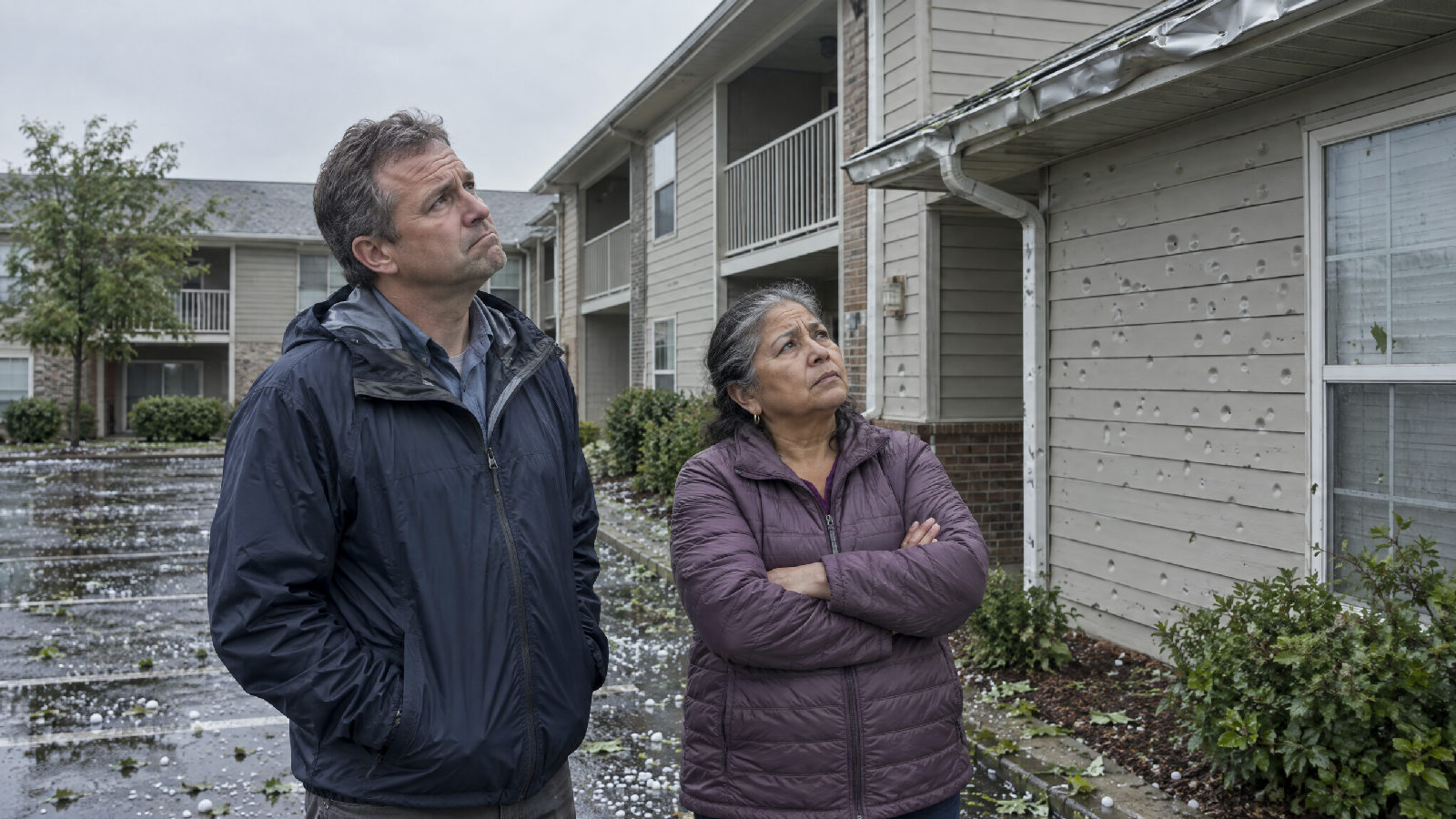
That's the pattern behind nearly every assessment dispute that ends up in the news: not a board inventing authority it never had, but a board that never checked its own ceiling against the number it was about to bill — because nobody had that clause sitting next to the assessment decision when it mattered.
It's also not hard to see why the check gets skipped. The moment a board is deciding how much to assess is almost always the worst possible moment to go digging through a declaration for the first time — a burst pipe, a storm, an insurer that just came back with a lower payout than expected. Everyone in the room wants a number fast, and urgency is exactly the condition under which a board is least likely to stop and cross-reference a governing document it hasn't opened since closing. The fix isn't asking volunteers to be more careful under pressure. It's having the ceiling already sitting next to the assessment number long before the pressure shows up.

Finding your actual ceiling (before you need it)
A board doesn't need a lawyer on retainer to know its own number. It needs to go find two things, once, and keep them somewhere the whole board can see them:
- Your state's statutory ceiling, if one exists. Search "[your state] special assessment limit HOA statute" or check whether your state's common-interest-community act (many states have adopted some version of the Uniform Common Interest Ownership Act) sets a percentage or dollar cap, and whether it applies to special assessments specifically or to regular budget increases like North Carolina's.
- Your declaration's assessment and loss-assessment clauses. Most declarations set their own dollar or percentage ceiling on what the board can assess without a full membership vote, often separately for regular assessments, special assessments, and insurance-related loss assessments (the clause that mattered in the Colorado Springs case). Pull the actual clause — not a summary someone gave the board secondhand years ago — and write down the number.

Whichever number is lower — the statute's or the declaration's — is the board's real ceiling. A board that has both numbers on hand before a decision, not after a bill goes out, is the difference between catching a
0,000-vs-$20,752 gap in a meeting and catching it in a courtroom.Colorado Springs, Colorado · Multi-outlet local news coverage
$20,752.12
- 0,000 per unit: the declaration's documented ceiling on a loss assessment
- $20,752.12 billed to owners after a hailstorm and an insurance dispute
- More than double the declaration's own documented ceiling, in a dispute that remains in litigation
Why this lives with the other six numbers, not off to the side
This is exactly why the assessment ceiling belongs on the same monthly instrument panel as operating cash, reserve funded percentage, and delinquency aging — not filed away as a legal question to deal with only when an assessment comes up. Self-management is not amateur management: a board that keeps its statutory and declaration ceilings next to every assessment number it discusses isn't second-guessing itself. It's running the same discipline a management company would bill for, on infrastructure that costs a fraction of the contract.
This is also why RebelHOA keeps governing-document authority attached to the numbers themselves inside Rebel Bookz, instead of leaving the declaration as a separate PDF nobody has open during the meeting where an assessment gets decided. The ceiling should be a fact the board already has in front of it — not one an owner's attorney has to point out first.
The fix isn't asking volunteers to be more careful under pressure. It's having the ceiling already sitting next to the assessment number long before the pressure shows up.
Two questions boards ask about this
Does every state cap special assessments the way California does? No — and that's the point of this piece. Some states cap the dollar or percentage amount directly (California); some cap regular budget growth instead (North Carolina); some set no percentage ceiling at all and lean on procedural requirements like notice periods (South Carolina). A board has to check its own state, not assume any other state's rule applies.
If our state has no statutory cap, does that mean the board can assess anything it wants? No. The declaration almost always sets its own ceiling, and it applies regardless of what state law does or doesn't say. In a state with no statutory percentage cap, the declaration isn't a backup limit — it's the limit.
Where your board's ceiling actually stands
Most boards have never put their state's rule and their own declaration's clause side by side on the same page. That's exactly what the tool below walks through — five yes/no questions that route a board to the two numbers that apply to them, so the ceiling is on hand before an assessment decision, not found out from an owner's attorney afterward.
If your board finds a gap between what you've been assessing and what either document actually allows, see how the white-glove trial works — the founder sets it up personally, and the board's only job is to show up to one call.