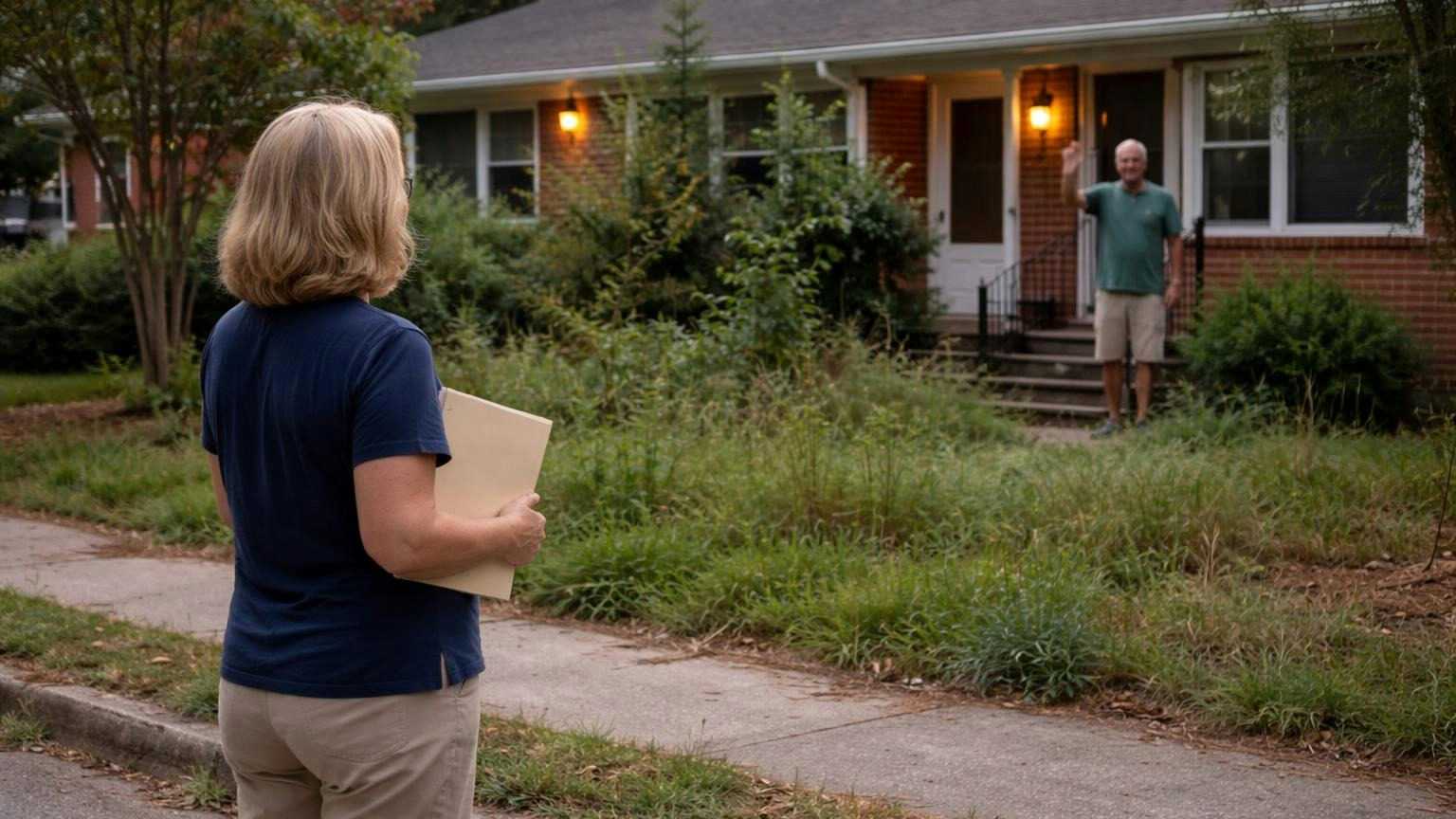
The short answer
- To enforce HOA rules fairly, run every violation through the same written steps: the authority to act, a published fine schedule, a logged and photographed violation, written notice with a way to cure, and a hearing before the fine.
- State law often sets those steps for you. Florida, California, Colorado, Texas and Arizona each require notice and a chance to be heard before a fine, North Carolina does too unless the declaration sets its own procedure, and several cap the amount.
- Fair is consistent. The same rule, the same letter and the same timeline for every owner, with a file that shows it.
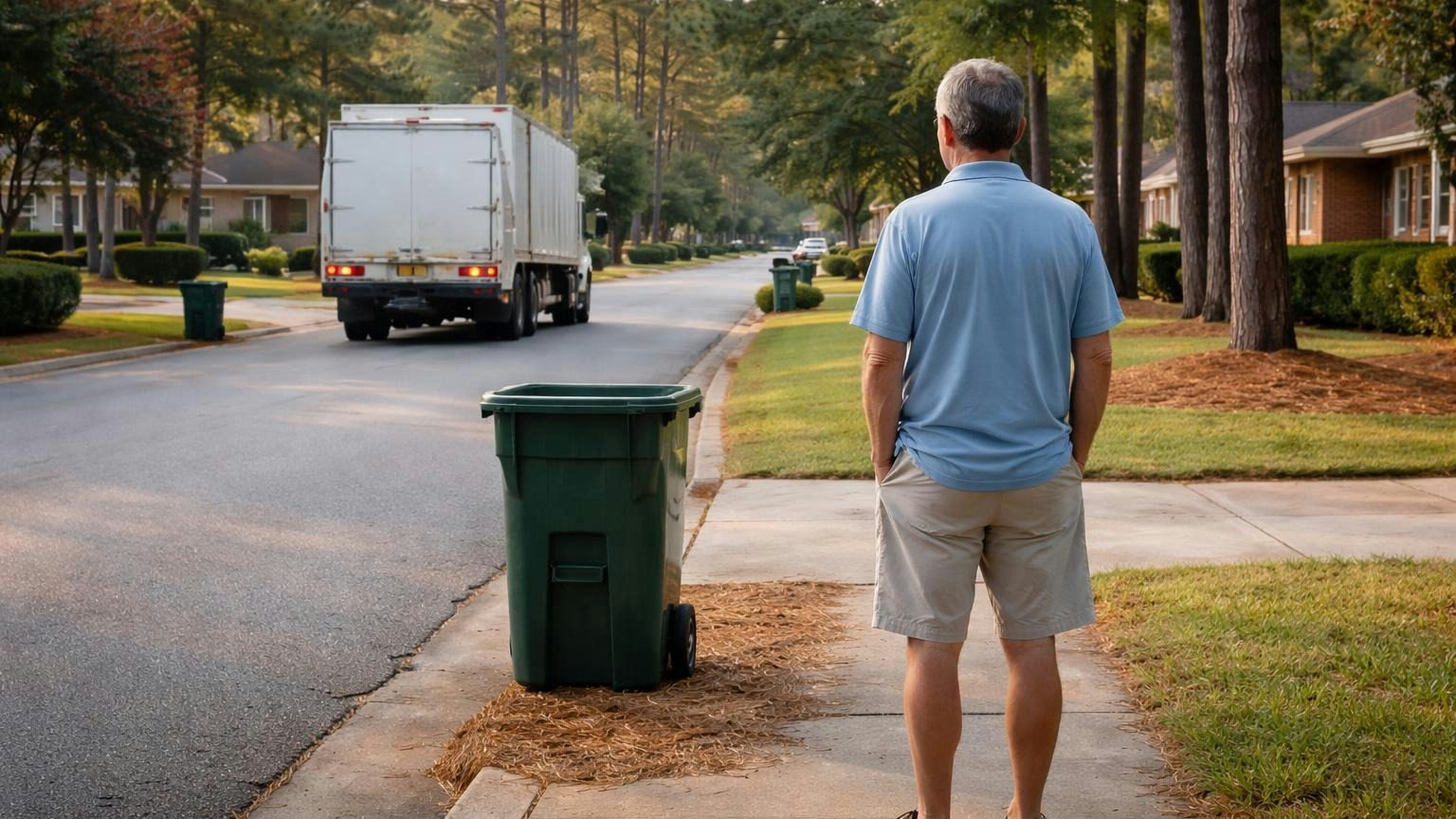
In Florida, a board can no longer fine a homeowner for leaving the trash can at the curb the morning after pickup. Since 2024 the statute has said so in plain words: no fine "for leaving garbage receptacles at the curb or end of the driveway within 24 hours before or after the designated garbage collection day or time." It applies "notwithstanding any provision to the contrary in an association's governing documents."
Read that last part again. Your documents can say one thing, and the statute can make it unenforceable.
That is how enforcement goes wrong for volunteer boards. Not from bad intent. From a letter written the way the last president wrote it, a fine set in an email, and a hearing nobody knew was required.
This guide is the whole process, in the order you run it. It is general information, not legal advice. Your governing documents and your state's statute come first, and your association's attorney is the one to confirm how they apply to you.
Before you start: What to pull
Twenty minutes with these documents tells you what you are allowed to do before you do any of it.
- The declaration, open to the section on enforcement, fines and suspensions
- The bylaws, open to the sections on the board's powers and on hearings
- The current rules and regulations, with the date each was adopted
- Your written fine schedule or enforcement policy, and proof it went to owners
- Your state's homeowners association statute, the section on fines (the examples below name each one)
- Every violation letter the board sent in the last 12 months
- The owner's mailing address and email address as they appear in the association's records
If the declaration gives the association no power to fine, stop here. A board cannot fine its way past its own documents. Talk to your attorney about what remedies the documents do give you.

One violation, from the first look to the last letter.
- Authority: The power and its limits
- Policy: Give every owner the policy
- Record: Log every violation the same way
- Notice: Name the fix and the deadline
- Hearing: Before the people the law names
- Decision: In writing, on the clock
- Fine: Within the limits, then stop
Step 1 — Find the power to fine, and the law that limits it
Enforcement authority has two layers. The documents grant the power. The state statute sets the floor every board must meet, and often a ceiling on the amount.
The statute usually wins where the two disagree. In Florida, a fine may not exceed $100 per violation "unless otherwise provided in the governing documents," so your documents can raise that number. But the trash-can rule above overrides the documents outright. In California, a fine "shall not exceed the lesser of" the amount in the association's own schedule or $100 per violation, unless the board makes a written finding at an open meeting that the violation may harm health or safety.
So read both, and write down three answers: who may fine, how much, and what must happen first.
Done: one page with your fine authority, its limits and its required steps, each with the section it came from.
Step 2 — Write the policy down and give it to every owner
Several states require a written schedule:
- California requires the board to adopt a schedule of the monetary penalties and distribute it to every member in the annual policy statement.
- Texas requires a board whose documents allow fines to adopt an enforcement policy listing the violation categories, the fine schedule and the hearing process, and to post it online or send it to every owner each year.
- Colorado allows no fine without a written policy that gives the owner notice and a chance to be heard before an impartial decision maker.
Even where no statute demands it, a published schedule is your best defense against the charge that the board made up the number on the day.
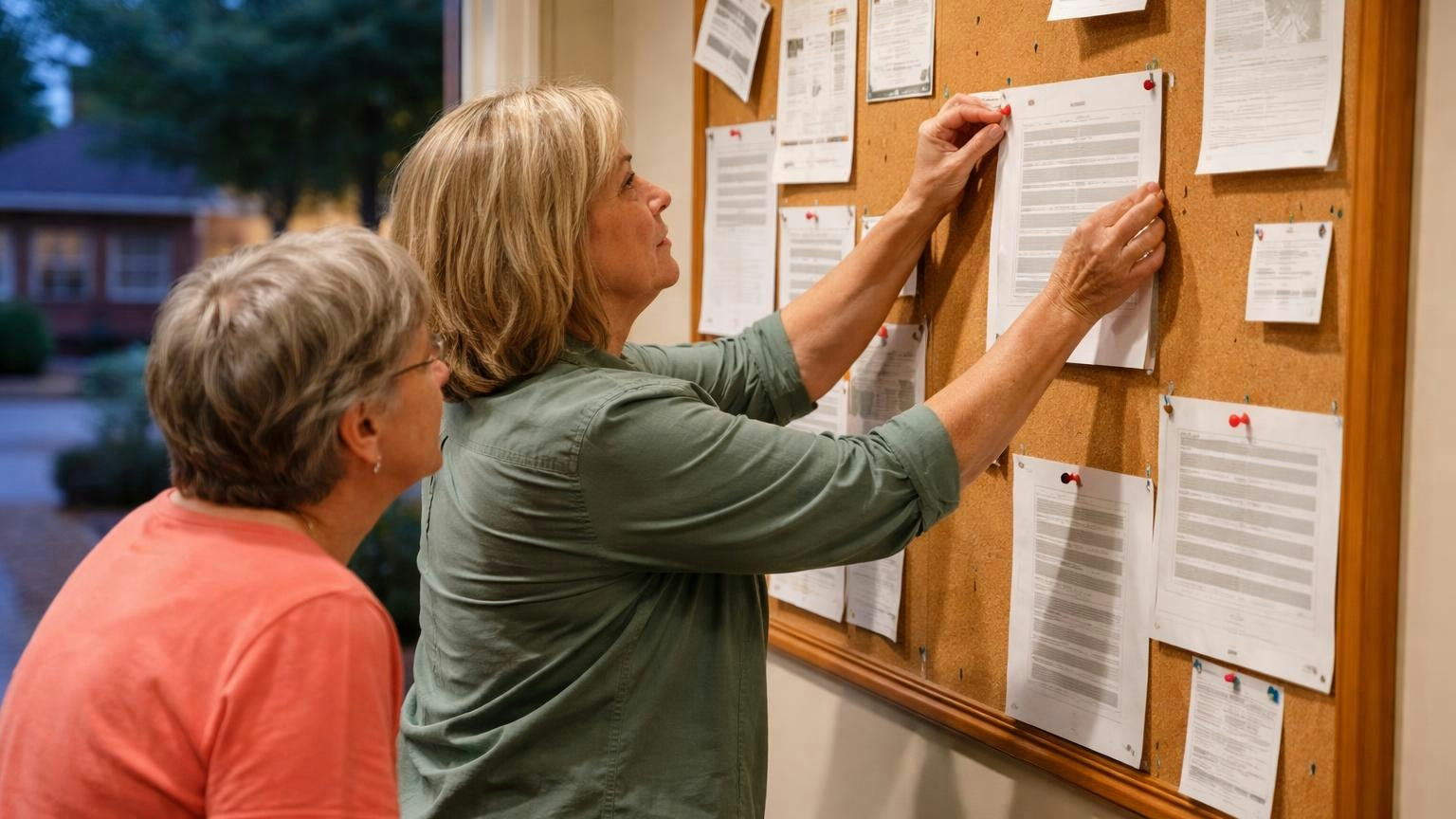
Done: a fine schedule adopted at a board meeting, recorded in the minutes, and sent to every owner, with the date it went out written on the file copy.
Step 3 — Log every violation the same way, every time
Each violation goes in one log with the same six facts:
- the address;
- the date and time it was observed;
- who observed it, by first and last name;
- a dated photo;
- the exact rule, by section number;
- every letter and reply, with its date.
The observer's name matters more than boards expect. In Arizona, an owner who receives a written violation notice may answer by certified mail within 21 calendar days, and the association then has 10 business days to reply with the provision violated, the date it was observed, the first and last name of the person who observed it, and how to contest it.
Then run the check that protects the board most: search the log for the same rule at other addresses. If three houses have the same trailer and only one got a letter, fix that before you send anything. Either all three get the letter or none does.
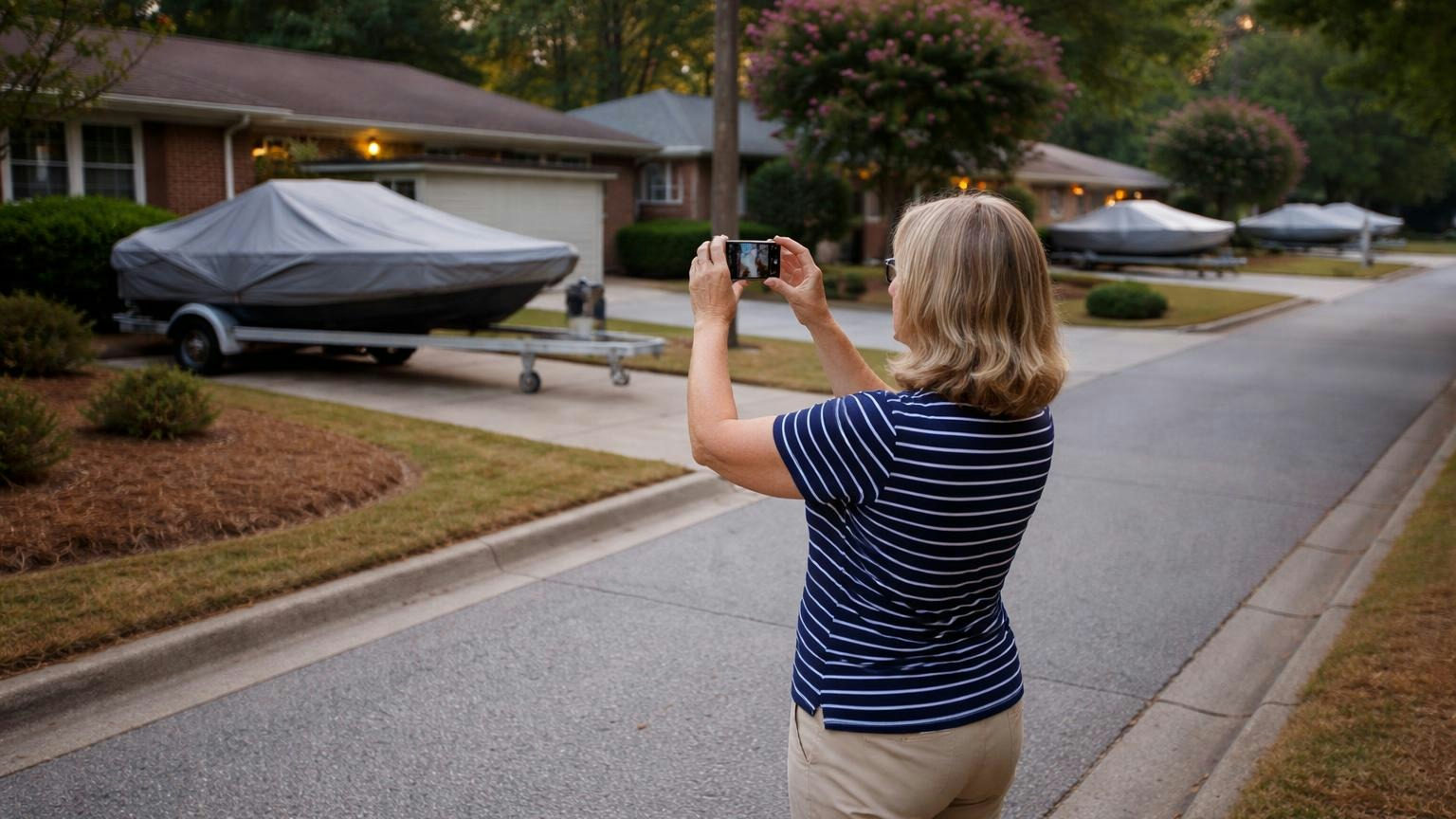
Worth knowing A neighbor's complaint is a reason to look, not a finding. A board member checks it, photographs it and logs it the same way as anything the board saw first.
Done: the violation logged with all six facts, and the same rule checked across the whole community.
Step 4 — Send written notice that names the fix and the deadline
The first letter decides how the rest goes. It should read like a letter from a neighbor, not a collection agency. It must also carry what your state requires, which is more than many boards put in it.
Florida. A fine or suspension may not be imposed unless the board first gives at least 14 days' written notice of the owner's right to a hearing, to the owner's mailing or email address in the association's records. The notice must describe the alleged violation, the specific action required to cure it, and the hearing date and location.
Texas. Before a fine, the owner gets a notice by certified mail. It describes the violation and any amount due, sets a reasonable date to cure a curable violation that does not threaten health or safety, offers a hearing if the owner asks within 30 days, and mentions the rights of owners on active military duty. An owner who cures by the date is not fined.
Colorado. For a violation that does not threaten public health or safety, the notice goes by certified mail, return receipt requested, and gives the owner 30 days to cure. For one that does, written notice and 72 hours.
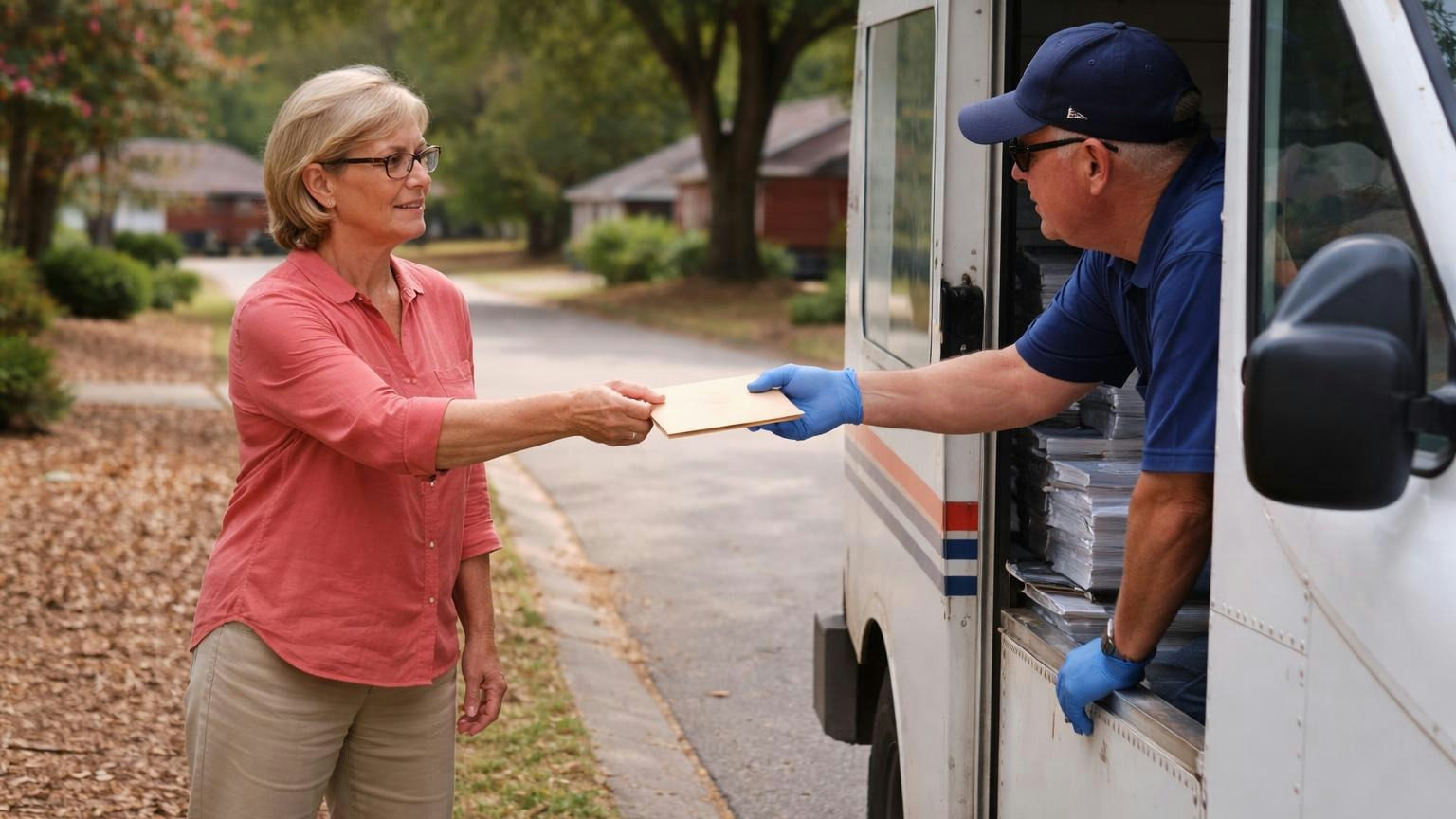
Write every notice from one template so every owner gets the same words. It names the rule by section, says what was seen and when, says what fixes it and by what date, and explains how to ask for a hearing.
Done: the notice sent the way your state requires, with a copy, the mailing receipt and the cure date in the log.
Step 5 — Hold the hearing before the people the law names
A hearing is not a formality. In several states a fine imposed without one does not stand.
3 members at minimum sit on a Florida HOA's fine hearing committee, and none may be an officer, director or employee of the association, or a close relative of one. — Fla. Stat. § 720.305(2)(b)
Who hears the case depends on the state:
- Florida: a committee of at least three members appointed by the board who are not officers, directors or employees, or the spouse, parent, child, brother or sister of one. The hearing is held within 90 days after the notice and may be by phone or video. The committee's only job is to confirm or reject the fine. If a majority does not approve it, it cannot be imposed.
- North Carolina: unless the declaration sets a different procedure, the board itself or an adjudicatory panel of members who are not officers or board members. The owner gets notice of the charge, a chance to be heard and to present evidence, and notice of the decision. A panel's decision can be appealed to the full board within 15 days.
- California: the board, with written notice at least 10 days ahead that names the violation.
- Texas: within 30 days of the owner's request, with the board's documents and photos 10 days ahead.
Run it in the same order every time: the violation as logged, the photos, the owner's side, questions, then the decision. Let the owner finish.

One more rule to read before the hearing: the cure. In Florida, a violation cured before the hearing cannot be fined. In California, a member who cures before the meeting cannot be disciplined. The point of enforcement is the fix, and these statutes say so.
Done: a hearing held before the right people, on time, with the owner heard and the decision recorded.
Step 6 — Put the decision in writing, on the statute's clock
A decision the owner hears about by rumor is not a decision. Send it in writing, and send it on time.
In Florida, the committee sends written notice within 7 days after the hearing: its findings, any fine or suspension approved or rejected, how to cure, and the date the fine must be paid. That date must be at least 30 days after the notice is delivered. In California, the board sends written notice of its decision within 14 days. And in Texas, levying a fine is one of the decisions a board may consider and vote on only in an open meeting the owners were told about in advance.
How to Decide an HOA Architectural Review Request in 5 Steps
Done: the written decision sent, dated, and filed in the log beside the notice it answers.
Step 7 — Fine within the limits, then stop
The amount is where boards most often overreach, and every state draws the line in a different place.
| State | The limit | The section |
|---|---|---|
| Florida | $100 per violation; $1,000 in total for a continuing violation, unless the documents say otherwise. A fine under $1,000 cannot become a lien. | Fla. Stat. § 720.305(2) |
| California | The lesser of the schedule or $100 per violation, unless the board makes a written health-or-safety finding at an open meeting. No late charge or interest on a fine. | Cal. Civ. Code § 5850 |
| Colorado | No daily fines. For a violation that does not threaten health or safety, fines total $500 at most. No foreclosure based on fines owed. | C.R.S. § 38-33.3-209.5(1.7)(b) |
| North Carolina | Up to $100, and, without a further hearing, up to $100 for each day the violation continues more than five days after the decision (unless the declaration sets its own procedure). | G.S. § 47F-3-107.1 |
| Arizona | A fine can never become the assessment lien. Collecting it takes a court judgment, and that judgment lien cannot be foreclosed. | A.R.S. § 33-1807(B) |
| Texas | Payments go to assessments before fines, unless the owner has defaulted on a payment plan. | Tex. Prop. Code § 209.0063 |
Before you send a fine, check it in the free HOA fine checker, which tests the steps above against the law in five states. Then, once the owner cures, stop. Colorado puts it in the statute: once a violation is cured, the association tells the owner they will not be fined further and what balance is still owed. It is good practice everywhere.
A fine the board cannot defend at a hearing was never enforcement. It was an argument the board had not lost yet.
Done: the fine within your state's limits and your documents', sent with a pay date, and stopped the day the violation is cured.
How to tell it worked
Pull the log at the end of the year and run this check. A board that enforces fairly can tick every line.
- Every violation letter used the same template and named the rule by section
- Every fine had a written notice, a cure date and a hearing offer before it was charged
- No owner was fined for something the board let stand at another address
- Every hearing was held before the people your state names, and on time
- Every decision went out in writing within your state's deadline
- Most violations ended in a fix, not a fine
That last line is the real measure. Enforcement that works produces cured violations and few fines.

Frequently asked questions
Can an HOA fine a homeowner without a hearing? In many states, no. Florida, California, Texas, Colorado and Arizona each require notice and a chance to be heard first, and North Carolina does too unless the declaration sets its own procedure.
How much can an HOA fine a homeowner? It depends on your state and your documents. The table in Step 7 gives the limits in six states, from Florida's $100 per violation to Colorado's $500 total for a violation that does not threaten health or safety.
Can a board member sit on the hearing committee? In Florida, no: the committee is at least three members who are not officers, directors, employees or their close relatives. In North Carolina, the board may hear it, or a panel of members who are not officers or board members.
What if the homeowner fixes the violation before the hearing? In Florida and California, a violation cured before the hearing cannot be fined or disciplined. In Texas, an owner who cures by the date in the notice is not fined.
Can an HOA charge a fine every day? Not in Colorado, which bans daily fines. Florida allows a daily fine for a continuing violation up to $1,000 in total unless the documents say otherwise, and North Carolina allows up to $100 for each day the violation continues more than five days after the decision.
The bottom line: write the steps down, run every owner through the same ones, and let the hearing and the cure do their work. A board that can show its file rarely has to win an argument.