
What are the hidden costs of HOA management companies? They show up in three places the invoice never touches: how long a homeowner waits for an answer, how fast complaints are climbing against the companies boards already hired, and how much of the community's own history disappears the day one person's badge gets deactivated. None of the three is a scandal. All three are a direct, measurable consequence of running a community's operations through a person's inbox instead of a system — and unlike the base fee, none of them show up as a line item anywhere.
Monday's piece mapped the four costs the invoice never shows: vendor markups, divided attention, records that live with the company instead of the board, and financial opacity. This is what three of those four actually cost, in numbers — not to prove management companies are bad at their jobs, but to show boards what "fragmented" is quietly worth to give up.
Cost One: Slow Is the Floor, Not the Failure
Ask a board what "responsive" means and most describe an answer in a day or two. Ask what their contract or state guidance actually requires, and the real number is longer: general homeowner inquiries commonly carry up to a 30-day response window, and architectural-review or improvement requests can run 30 to 60 days before an answer is contractually overdue. Nothing about that timeline is a management company failing at its job — it's the timeline working exactly as designed.
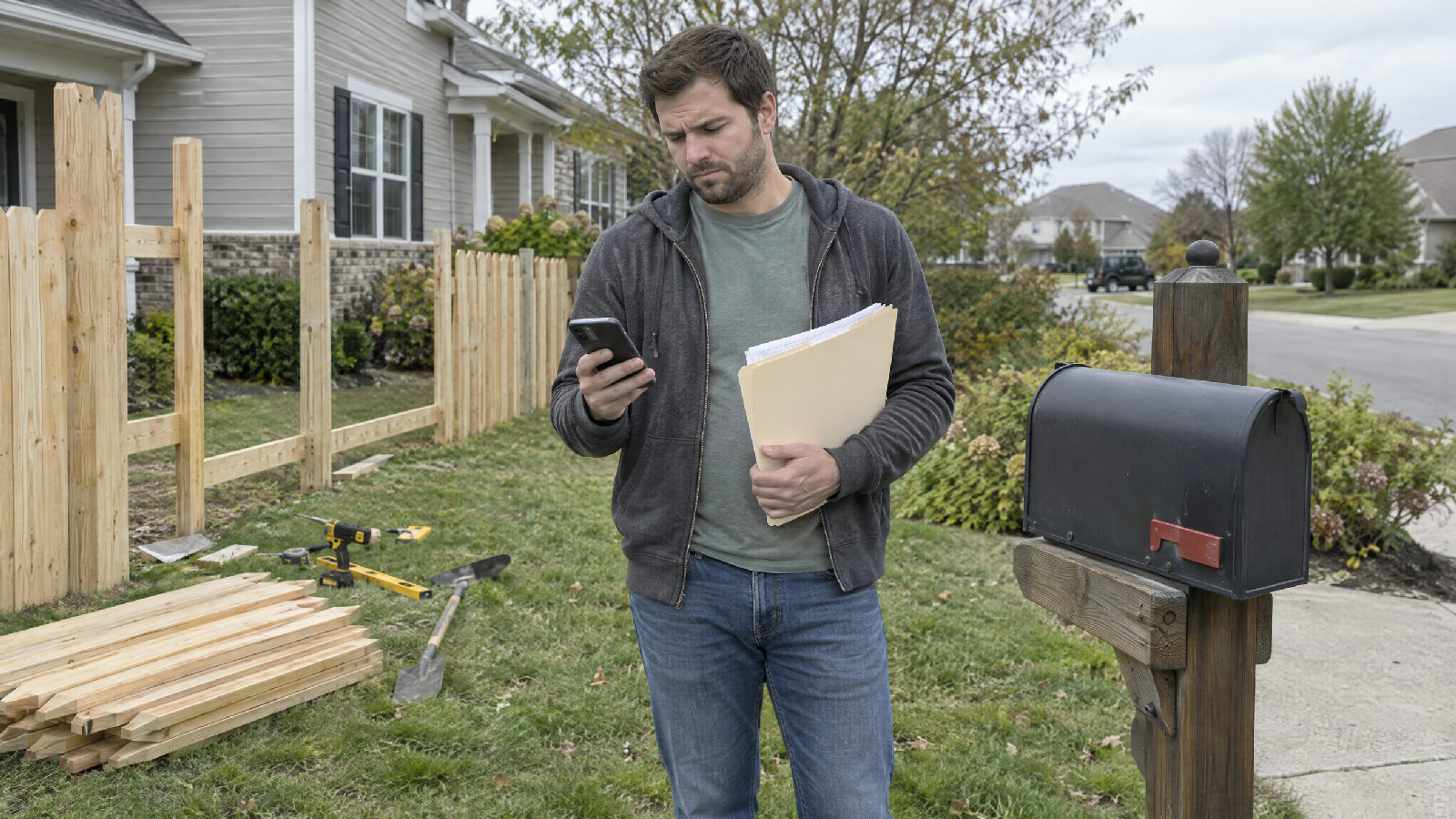
That's the part boards miss. A 30-day window isn't the outer edge of bad service; it's the normal operating range fragmented coordination was built to allow, because a shared inbox, a paper file, and a caseload split across a dozen communities can't reliably move faster than that without someone getting missed. The cost isn't a homeowner occasionally waiting a month. It's that a month became the acceptable floor.
Cost Two: Visibility Is Getting Worse, Not Better
This isn't a one-year blip. South Carolina's Department of Consumer Affairs tracks HOA complaints going back to 2018, and its own Seven-Year HOA Complaint Report shows the trend line, not just one snapshot: total consumer complaints to the state grew 79% from 2019 to 2024 — but HOA-specific complaints grew 191% over the same window, from 212 filed in 2019 to 617 filed in 2024. HOA complaints aren't rising with everything else. They're rising two and a half times faster, in the same state, tracked by the same office, across the same seven years — and local coverage of the report has documented the same county leading the state in complaint volume for seven straight years running.
191% growth in HOA-specific complaints from 2019 to 2024, from 212 filed to 617, while total consumer complaints to the state grew 79%. — South Carolina Department of Consumer Affairs, Seven-Year HOA Complaint Report
That's not a random cluster of bad actors. It's what happens when the number of communities running on fragmented tools keeps growing faster than the coordination capacity built to serve them — the same mismatch Tuesday's piece named as the actual reason boards hire management in the first place. Visibility doesn't break all at once. It erodes a little further every year the gap between workload and infrastructure widens, and the state's own complaint data is the clearest proof that it's still widening.
Cost Three: Knowledge Walks Out the Door on Someone Else's Schedule
The hardest cost to price is the one nobody notices until the person who held it is gone. Community management is drawn from the same broader onsite property-level workforce the industry tracks in the 2025 RCLCO National Real Estate Compensation & Benefits Survey — and that workforce turned over at 29.2% in the past twelve months, more than double the 14.2% turnover rate for corporate and non-onsite real estate roles, with voluntary departures alone at 23.4%, up from 21.7% the year before. That figure covers onsite property staff broadly, not community managers exclusively — there's no CAM-specific turnover study cited in this piece, because none was found that could be verified — but it's the same labor pool a board's assigned manager is drawn from, and it's moving fast.
Every time that badge changes hands, the reserve-study context, the vendor history, the reason a decision got made three years ago — the things that were never written down because the person who knew them was always one email away — resets. A board doesn't get a memo when this happens. It finds out the next time it needs an answer only the last manager had, and gets a different manager instead. The board's own institutional knowledge was never actually stored anywhere the board controlled — it was on loan, on someone else's turnover schedule.

What Actually Changes the Number
None of these three costs are fixable by finding a better management company. A more responsive manager still operates inside the same 30-day norm the next time their caseload grows. A better company still sits inside a state where HOA complaints are outpacing every other complaint category. A more tenured manager still eventually leaves. The fragmentation isn't a hiring problem — it's a structural one, and it only resolves when the coordination stops depending on which specific person is holding it that week. Boards that have already priced this out and decided to act on it can see the exact sequencing for extracting records and control without a gap.
The cost isn't a homeowner occasionally waiting a month. It's that a month became the acceptable floor.
(RebelHOA was built by someone who sat on an HOA board — who dealt with the management company, and with the gaps the self-managed software he could buy never closed.)
Bottom line: Slow response, rising complaints, and knowledge that resets with every staff change aren't three separate problems — they're the same fragmentation cost showing up in three different places, none of them on the invoice. The Management Cost Audit from Monday tells a board where to look for the number. This is why that number is worth finding.
What HOA Management Looks Like When the Board Owns the System
FAQ
What are the hidden costs of HOA management companies? Three that don't appear on any invoice: response times built around a 30-to-60-day normal rather than a fast one, rising complaint volume that's outpacing general consumer complaints (191% growth vs. 79% over the same seven years in South Carolina), and institutional knowledge that resets every time a manager turns over, since onsite property-level real estate roles turned over at 29.2% in the past year.
How long can an HOA legally take to respond to a homeowner request? It depends on the contract and jurisdiction, but common practice allows up to 30 days for general inquiries and 30 to 60 days for architectural or improvement requests before a response is considered overdue. That's the built-in norm, not a sign anything has gone wrong.
Are HOA complaints actually increasing, or does it just feel that way? They're increasing, and faster than complaints generally. South Carolina's Department of Consumer Affairs reports HOA-specific complaints grew 191% from 2019 to 2024 (212 to 617), against 79% growth in overall consumer complaints over the same period — a structural, seven-year trend, not a single bad year.
What happens to institutional knowledge when a community manager leaves? It typically leaves with them, since it was usually never captured anywhere the board controlled — reserve-study context, vendor history, and the reasoning behind past decisions live in one person's memory and inbox rather than a shared system. The onsite property-level workforce that pool is drawn from turned over at roughly 29.2% in the most recent year tracked.
Is a 30-day response window the management company's fault, or just the norm? It's the norm, and that's the actual problem — a caseload-based, inbox-driven model can't reliably move faster than that without someone falling through the cracks, so 30 days becomes the acceptable floor rather than an occasional lapse.