
Monday's piece named the five keys a self-managed HOA board actually has to hold — the ledger, the governing-document set, resident and payment history, the communication record, and the access list itself — and gave you the Walk-Away Test, five questions, to check which ones your board holds versus merely logs into. Tuesday's piece explained why the gap exists: access and ownership are legally different claims, and in both Carolinas the law already assumes your association holds the second one, not just the first.
Who Owns Your HOA's Records? The Walk-Away Test
Today is the question a board usually doesn't ask until it's too late to ask calmly: what actually happens if you fail?
Not as a scare tactic. As a planning problem. Most boards never run the Walk-Away Test as a quiet Tuesday-night exercise. They run it, unintentionally, the week a secretary resigns without notice, the week an election flips who holds the login, or the week the board finally fires a management company and asks for everything back. By then it isn't a thought experiment. It's this week's crisis, with a homeowner or a deadline already attached to it.
452 formal complaints were logged in South Carolina in 2025 against 339 homeowners associations and management companies statewide, raising 1,104 separate concerns. — South Carolina Department of Consumer Affairs, 2026 HOA Complaint Report
The moment the test stops being hypothetical
Every self-managed board eventually hits a turnover moment — a resignation, a contested election, a manager's contract ending. Turnover itself isn't the failure. What turns it into one is discovering, in the same week, that the person leaving was also the only place the community's records actually lived.
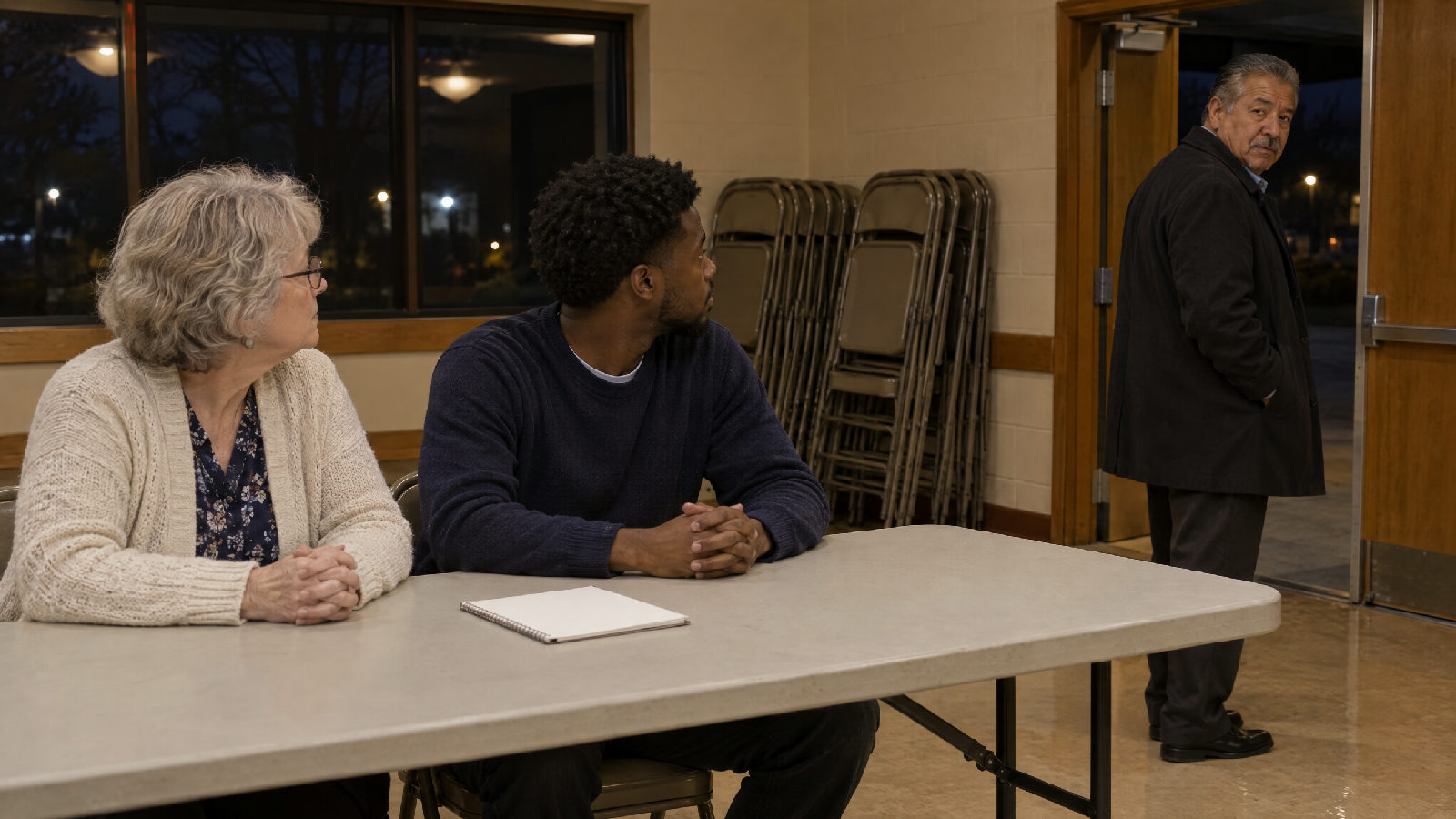
That's the specific moment the Walk-Away Test is built for, and it's worth being honest about the odds: run five questions across a board with any history at all, and most boards find they hold three or four keys cleanly and have one real gap. That's not a failing grade — it's the normal result of tools and habits built by people who, reasonably, weren't picturing the board that inherits the account five years later. The only real choice a board has is whether it finds that one gap on a calm Tuesday or during the week it actually needed the answer.
What the state's own numbers say about the calm-Tuesday option not being taken
This isn't a hypothetical risk invented to sell software. The South Carolina Department of Consumer Affairs' 2026 HOA Complaint Report, covering 2025 data, logged 452 formal complaints against 339 homeowners associations and management companies statewide, raising 1,104 separate concerns. Residents being unable to access their own association's information or documents was the third-most-filed category, at 9.5% of every concern raised — behind only covenant enforcement (16.8%) and maintenance and repairs (11.7%). Greenville County, home to the upstate market this piece is written from, accounts for 9% of every HOA complaint filed in the state.
Sit with what that category actually represents. A complaint filed with a state consumer-protection agency isn't a homeowner's first attempt to get an answer. It's what happens after a request, then a follow-up, then presumably a second follow-up, went nowhere — far enough past "let me check on that" that the homeowner decided the only path left ran through the state. Every one of those 1,104 concerns started, most likely, as an ordinary email that a board member meant to answer and, for one reason or another, couldn't produce what was asked for.
What comes before a complaint to the state.
- A request
- A follow-up
- A second follow-up, presumably
- A complaint to the state
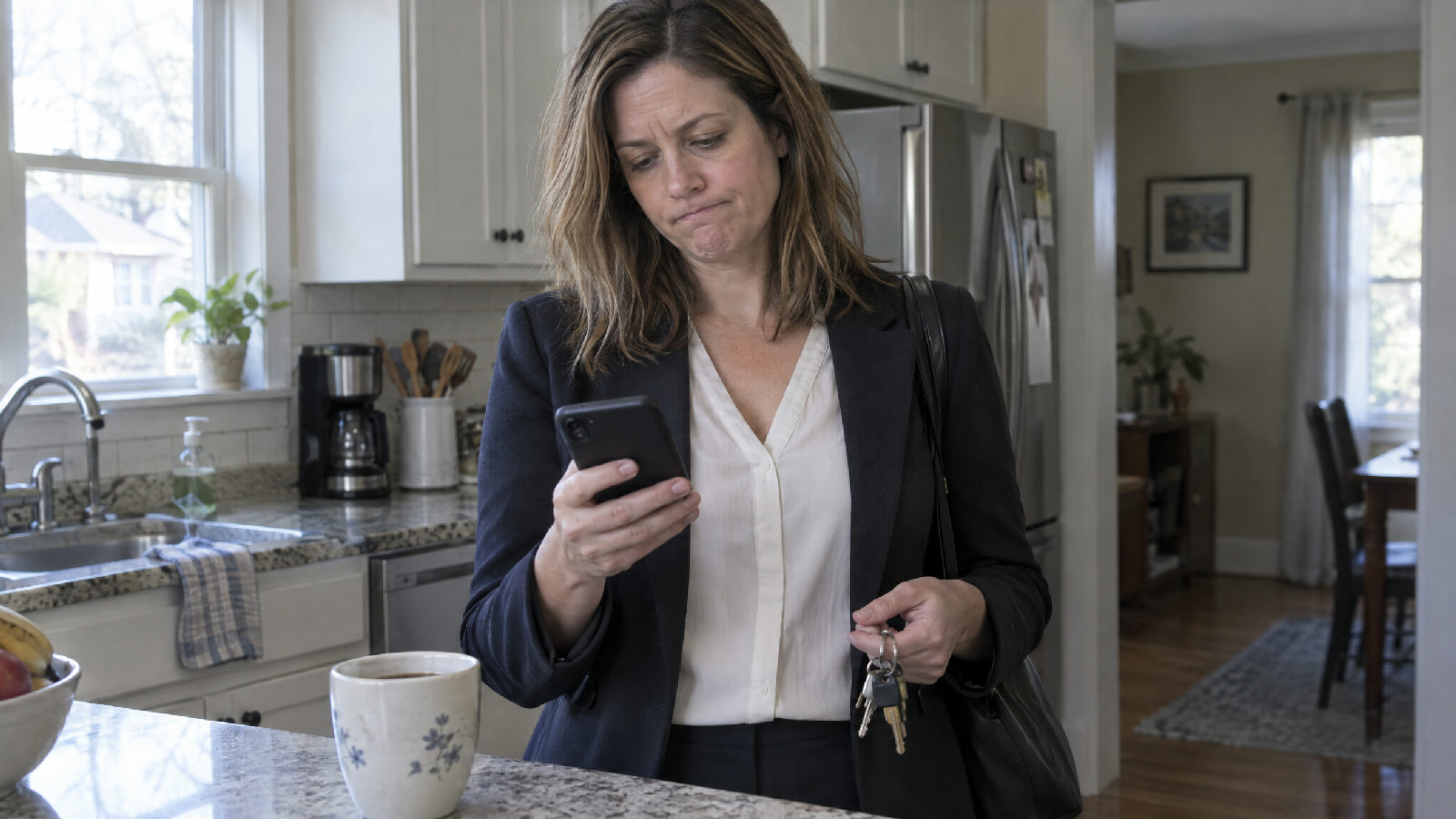
None of that requires a board acting in bad faith. The far more common story is the one the Walk-Away Test exists to catch early: the person who could have answered wasn't available, the record existed only in a format nobody could hand over cleanly, or nobody currently on the board actually knew where to look. The homeowner experiences it as being stonewalled. The board, if it's honest, usually experiences it as we genuinely don't have that easily accessible either — which is a different problem, but not a smaller one to the person waiting on an answer.
What a court order can't fix
The stakes get sharper when custody breaks down all the way to litigation. In one Florida dispute reported by local news outlets in 2026, homeowners sued their association alleging financial mismanagement and a lack of transparency around a large special assessment. A judge halted collection of the assessment and ordered the association to release its financial records and complete an independent audit. As reported by the outlets covering the case, months after that order, the audit still hadn't been completed.

Read that sequence carefully, because the lesson isn't really about the lawsuit. The homeowners won the legal argument — a judge agreed they were entitled to the records and ordered them produced. And months later, by the reporting available, the actual records still weren't in anyone's hands. A court can order a document produced. It cannot conjure a working copy into existence if the association never held one to begin with. The order changes the law's position on who's at fault. It does nothing to change whether the underlying record exists in a form anyone can actually hand over.

That's the floor this whole test is written to keep a board off of. Every one of the five keys from Monday's piece is really the same question asked five different ways: if you had to produce this tomorrow, under a deadline you didn't choose, could you — or would you be relying on hoping the court, or the homeowner, or the auditor, gives you time to build the thing you should have already had?
How to actually run the test — the ten-minute version
The Walk-Away Test doesn't need a special meeting or an outside consultant. It needs ten minutes on a regular board-meeting agenda, run like this:
- Put it on the agenda as a standing item, not an emergency one. "Walk-Away Test — 10 min" between old business and new business is enough. Running it as routine, not as a response to a scare, is what makes it a habit instead of a one-time scramble.
- Read the five questions aloud, one at a time: the ledger, the governing-document set, resident and payment history, the communication record, and the access list itself. (Monday's piece has the full wording of each.)
- Ask someone other than the usual answer-er to try first. If the treasurer always answers the ledger question, ask a different board member to try. Watching someone other than the expert attempt it is the fastest way to find out whether the community holds something, or whether one person just always has.
- Call it Pass, Fail, or Unsure — out loud, in the room. No key gets marked "probably fine." Unsure counts the same as Fail for this exercise; the whole point is surfacing what the board isn't certain of.
- Assign an owner and a fix-by date to every Fail or Unsure, in the same meeting. Not "someone should look into that" — a name and a date, recorded in the minutes like any other action item.
- Attach the completed test to the minutes. This does double duty: it's the board's own record that it exercised oversight, and — per Tuesday's piece — it's a small piece of the documentation an association may need to show it takes its records obligations seriously, since state law puts that duty on the association as a whole, not on whichever person happened to be holding the login that month.

Run that way, it costs less time than approving last meeting's minutes. Run it once, and most boards will already know which one key needs a fix before the next election, the next resignation, or the next records request forces the question.
Before beats during, every time
The entire cost difference between running this test proactively and discovering the gap under pressure comes down to timing. On a calm Tuesday, closing a gap is an action item with a fix-by date and no audience. During a turnover, a records request, or a dispute, the same gap is a deadline someone else set, watched by a homeowner, a new board, or — in the worst case — a court. The work to close it doesn't change. Who's watching while you do it does.
A court can order a document produced. It cannot conjure a working copy into existence if the association never held one to begin with.
The smallest next step
We built a companion to Monday's Custody Map and Tuesday's Access Inventory for exactly this moment: the Walk-Away Test — Board Meeting Record, a one-page fill-in version of the test above, with a Pass/Fail/Unsure box for each key, an owner and fix-by-date line for every gap, and a spot at the bottom to record the meeting date and attach it to your minutes. It turns the exercise above from a description into something you can run in your very next meeting. It's free, and it isn't specific to any one platform — run it against whatever your board uses today. Grab it below.
The number worth carrying into your next board meeting either way: in South Carolina alone, a resident unable to get their own community's records isn't a rare edge case. It's the third-most-common reason an HOA ends up in a formal complaint file at all — and by the time it gets there, "before" was already the better option.
You Ran the Walk-Away Test. Here's the Smallest Fix for What It Found.