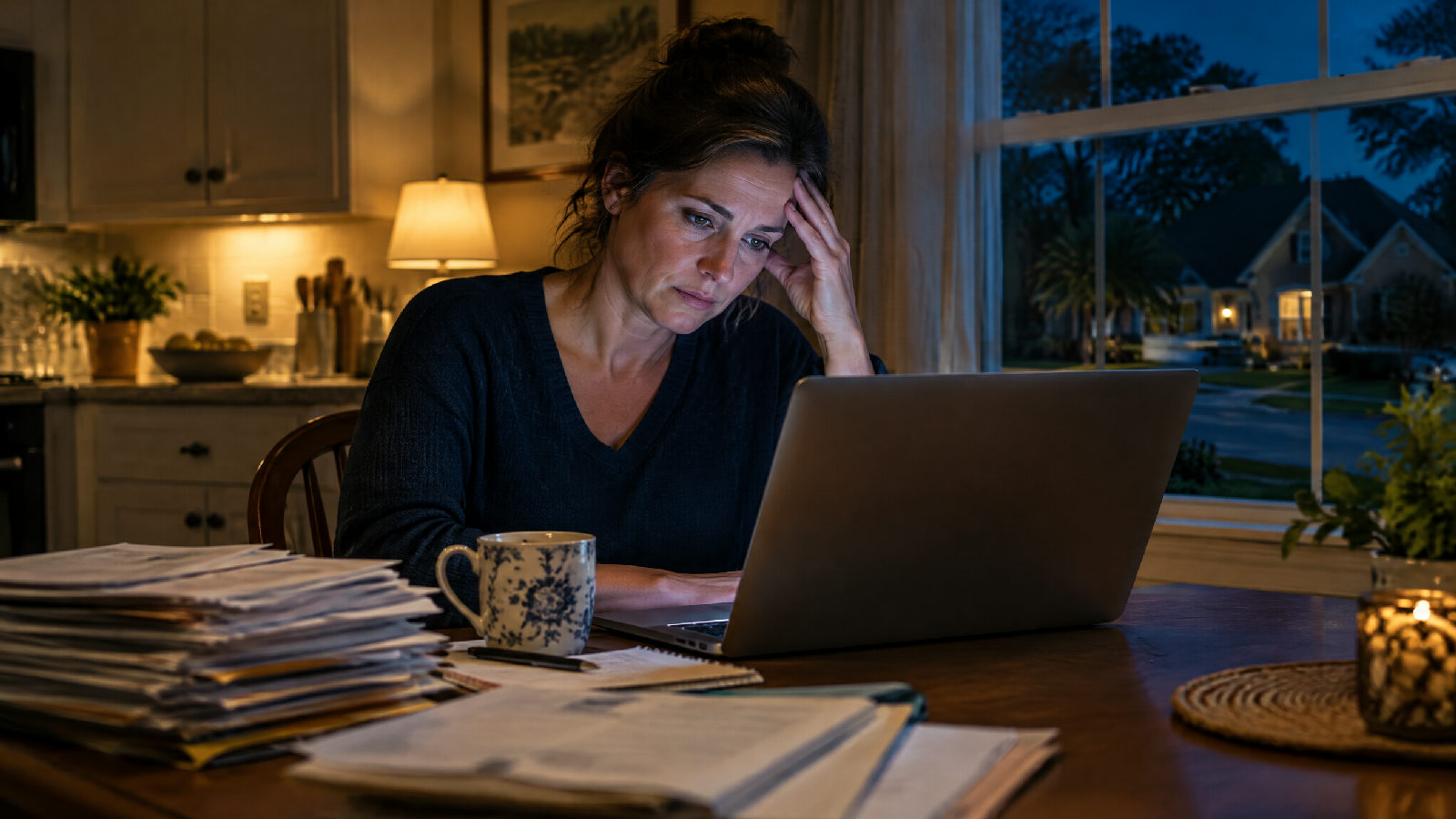
Nobody quits an HOA board because of the monthly meeting. They quit because of the 20 hours between meetings.
The meeting is the part everyone sees. It's not the part that burns people out. What burns them out is the invisible job in between: the treasurer answering "what do I owe?" for the ninth time this week. The same four late-payment reminders, every month, by hand. Digging through a shared drive for the one document a homeowner asked for. It's a second job — unpaid, thankless, and it follows you home.
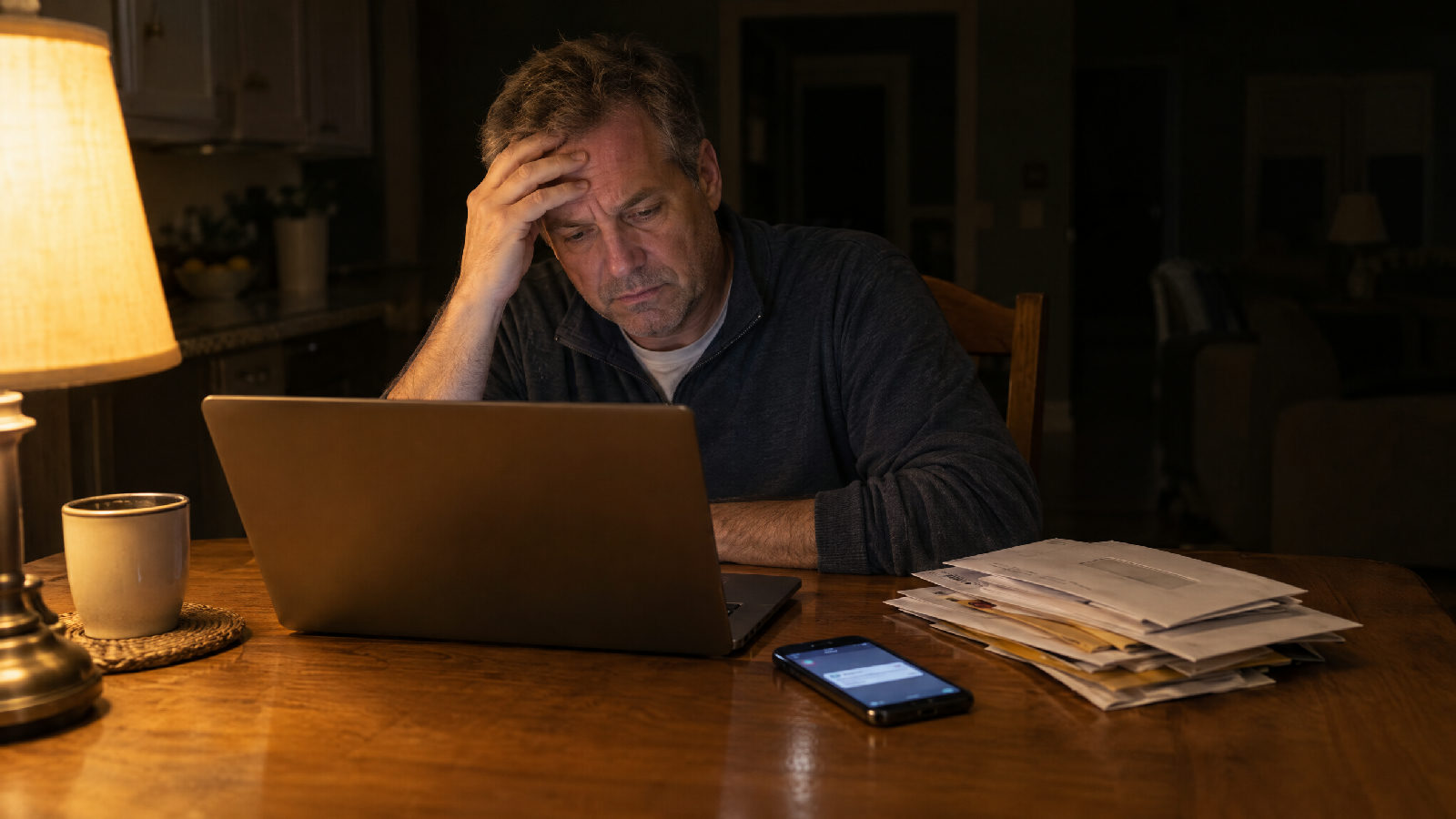
Burnout isn't a people problem. It's a workload problem.
A volunteer board runs on the free time of two or three people with real jobs and real families. The community's operations — dues, records, questions, violations, meetings — don't care that it's 11pm. They pile onto whoever's most conscientious. Usually the treasurer. Usually the same person, year after year.
Then that person quits. And the community scrambles for a replacement nobody wants to be. That's the cycle.
Nobody quits an HOA board because of the monthly meeting. They quit because of the 20 hours between meetings.
The two "fixes" that don't work
Recruit more volunteers. Good luck. The reason people avoid the board is that they watched the last treasurer drown. Adding warm bodies doesn't fix a broken workload — it just spreads the resentment.
Hire a management company. Now you've traded your evenings for a per-home monthly fee, and handed over control of your own community. The board still makes every decision — it just pays someone else to do the typing, slowly.
Both accept the same false premise: that the work has to be done by a person.
Why No One Will Join Your HOA Board (It's Not the Volunteers — It's the Seat)
It doesn't anymore.
Most of what burns a board out is recurring, rules-based, and repetitive — which is exactly what software is for. Dues can invoice, collect, and chase themselves. "What's my balance?" can get a correct answer at midnight without waking anyone. Records, votes, and minutes can live in one place instead of a volunteer's inbox.
That's the shift: the board stops doing the busywork and starts approving it. Same control. A fraction of the hours. Nobody burns out doing work they're no longer doing.
Is your board on the burnout track?
- One person answers 80% of the resident questions.
- Dues follow-up is a manual, monthly chore.
- Nobody wants the treasurer role — and the current one is "just getting through the year."
- Board work regularly happens after 9pm.
Two or more of those true? You're not short on volunteers. You're short on systems.
Bottom line: Boards don't burn out because self-management is too hard. They burn out because the recurring work has no home but a volunteer's evening. Give that work to software, and the board gets to do the part they actually signed up for — leading — and gets their nights back.