
The short answer
- 79% of new single-family homes sold in 2025 were in a homeowners' association, by the Census Bureau's own count. In 2015 it was 73%.
- Most new associations start under the builder (the developer), and the owners take over on a date the law and the documents set. That turnover is a cut-over: records, money and open items change hands at once.
- A board that knows the shape of that day is ready for it, and for any switch after it. Florida's version runs on a 90-day clock.
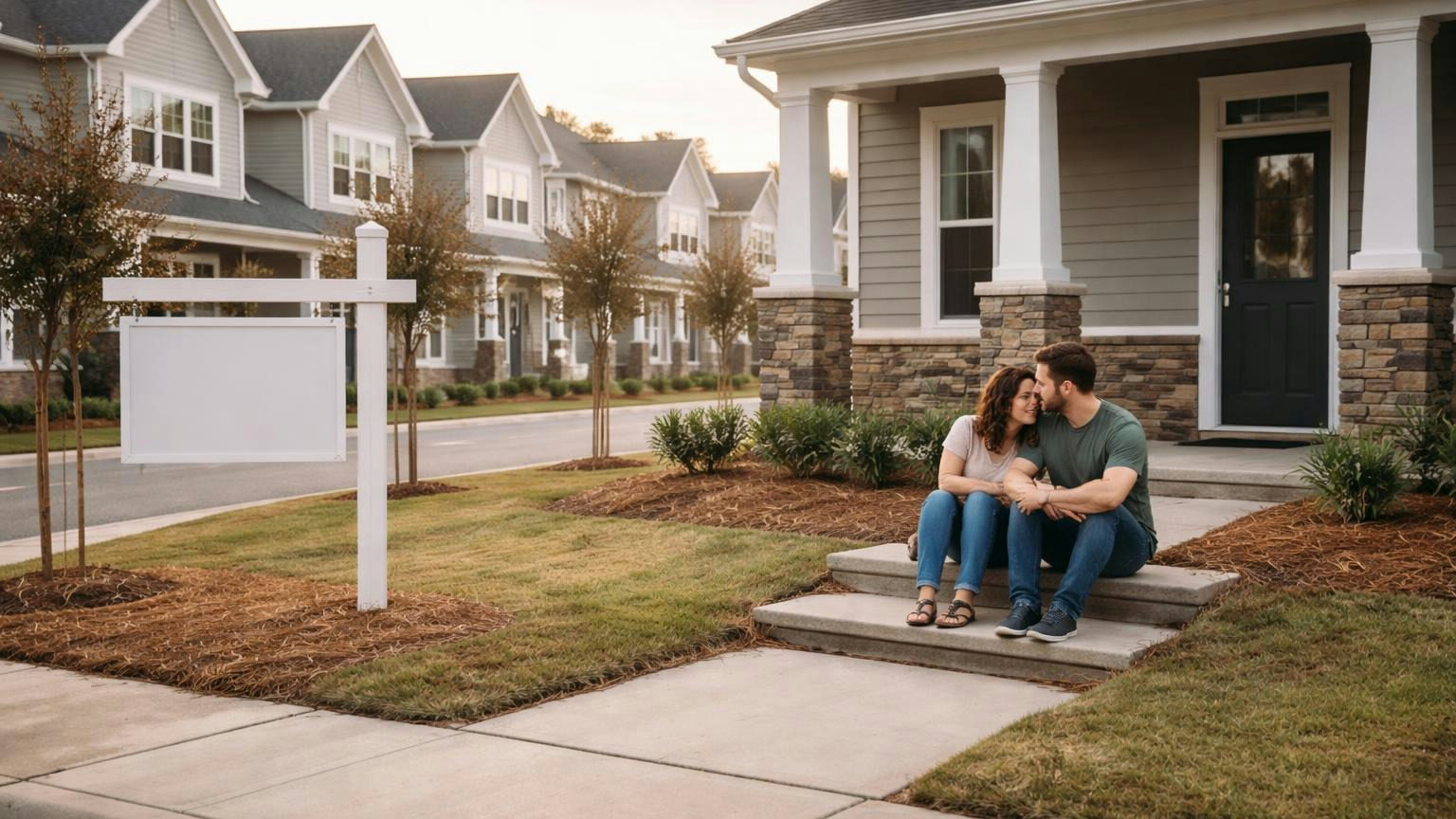
Four in five new single-family homes sold in 2025 came inside a homeowners' association, by the Census Bureau's own count. Most people still picture an HOA as something old: a 1980s subdivision, a pool that needs resurfacing, a binder in someone's garage.
The newest numbers say the opposite. The HOA is now the normal way America builds a neighborhood, and most of those new neighborhoods have a handover written into their future.
The number: Four in five new homes
The Census Bureau's Survey of Construction samples new single-family houses each year and asks, among other things, one plain question: is it in a homeowners' association?
79% of new single-family homes sold in 2025 were in a homeowners' association. It was 81% in 2023 and 2024, and 62% in 2009. — U.S. Census Bureau, Characteristics of New Housing, "Homeowners' Association for New Single-Family Houses Sold"
Count every home finished instead of every home sold, and the share drops to 64% in 2025, because that count also takes in houses built for rent and homes built by their owners. The volume is the story: about 644,000 new single-family homes completed in 2025 were in an association.
Add up the Bureau's yearly figures from 2009 through 2025 and the total comes to nearly 8 million new single-family homes finished inside an HOA (7.95 million, summed from the yearly estimates). That is a sum of annual survey estimates, so read it as "about," not to the house.
Where: The South and West lead; the Northeast is split in half
By the same Census table of homes sold, the 2025 share by region:
- South: 83%
- West: 82%
- Midwest: 69%
- Northeast: 50%
The Northeast is the most uneven. Its share has swung from 38% in 2015 to 66% in 2023, and was 50% in 2025: half of the region's new homes sold now come with an association.
What it means: A builder's association ends in a handover
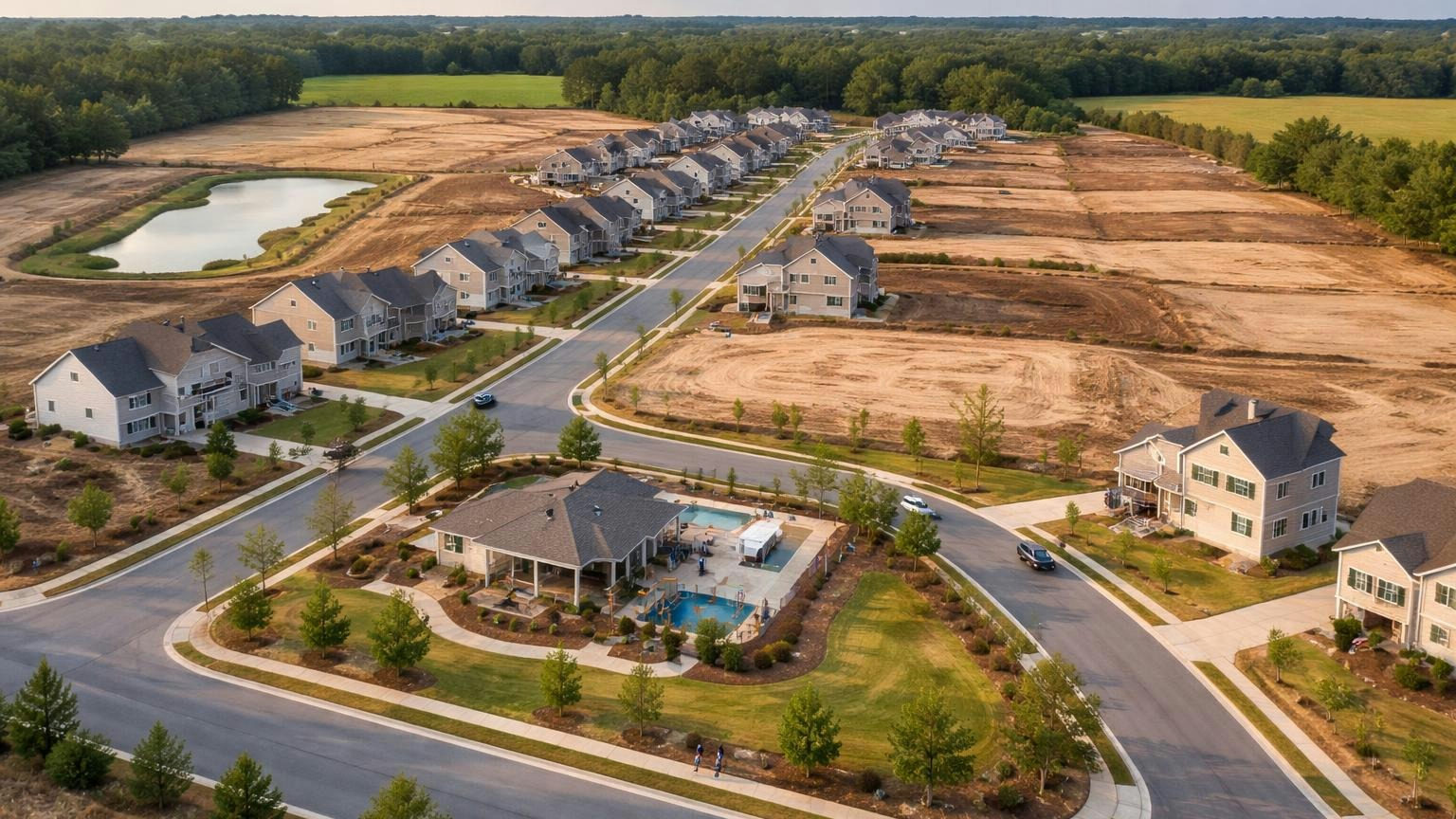
In a typical new community, the developer creates the association and records its documents before the first homes close. Until enough homes are sold, the developer usually controls the board, writes the budget and holds the books. Then the owners take over.
That day has a name in the law, turnover, and it is the first cut-over most of these communities will ever have. On one date the board changes, the bank signers change, the records move, and everything still open (a warranty claim, an unfinished amenity, an unpaid bill) has to land with someone.
Not every one of those nearly 8 million homes joined a brand-new association. Many were added to communities that turned over years ago. But every year adds new builder-run associations to the pipeline, and each is headed for this day.
The first switch most HOAs ever make is not a software choice. It is the day the builder hands over the keys and the books.
The clock: How Florida writes the handover
Florida's statute shows what a turnover looks like on paper.
Florida's turnover, as section 720.307 lays it out.
- The trigger: Three months after 90% of the parcels in all phases are conveyed to owners, the owners elect at least a majority of the board (or earlier on another listed event).
- The handover: The developer delivers the turnover documents within 90 days, at its own expense.
- The money: For an association incorporated after 2007, the financial records from incorporation through turnover, audited by an independent CPA.
That last line matters more than it looks. For an association incorporated after 2007, the board that takes over in Florida is entitled to audited financial records covering the years the developer ran the books. It does not have to take the opening balance on faith.

Other states write the trigger and the delivery list differently, and your declaration and bylaws can set their own. The shape is the same: a trigger, a date, a list of what must arrive, and a new board checking that it did.
Worth knowing Florida's list covers more than money: deeds to common property, warranties, insurance policies, permits, contracts and the association's own minutes are on it too (Fla. Stat. § 720.307(4)). Read your own state's list before the meeting.
The board's job: Five things to ask for on turnover day
If your community is still run by the builder, or turned over in the last year, this is the short list. Each item is a question, not an accusation.
- The date. What event triggers turnover in our declaration and in state law, and when do we expect it?
- The books. Who will hand over the financial records, from which date, and will they be audited or reviewed?
- The bank. Which accounts exist, who signs today, and when do the signers change?
- The open items. Which warranty claims, unfinished amenities, contracts and promised repairs are still open, with an owner and a date for each?
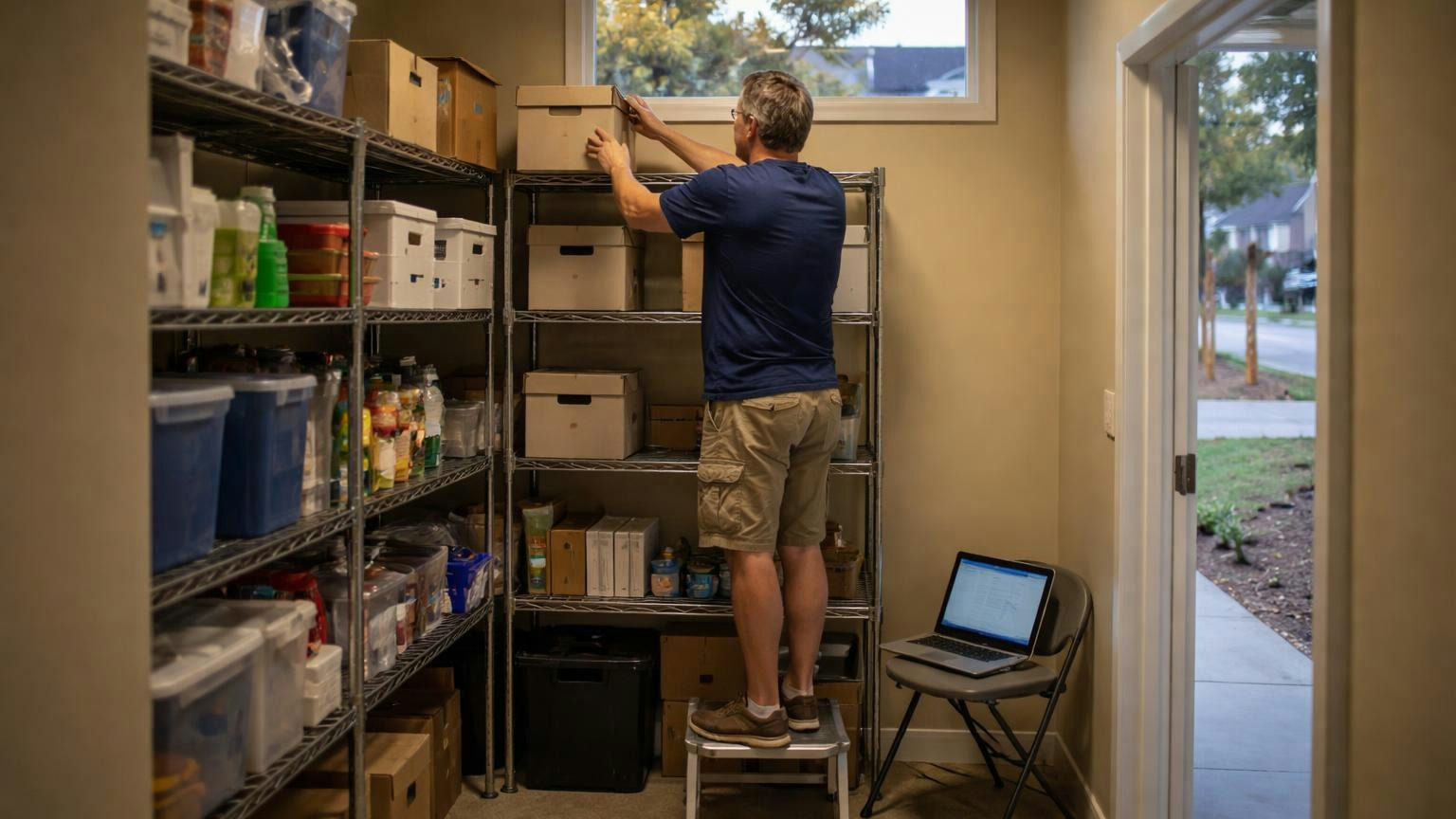
- The archive. Where will the closed years live, in a form the board can open without the builder's systems?

The fourth item is where handovers usually go wrong, and it has its own walk list:
HOA Handover Checklist: The Five Open Items Boards Lose
What comes next: More first handovers, every year
The Census series is a forward look in disguise. Many homes completed in 2023, 2024 and 2025 sit in communities still selling lots or only just finished. For many of those associations, turnover is still ahead.
That means a steady stream of brand-new boards, made of owners who did not plan to run anything, meeting their first cut-over with whatever the builder hands them. Some will get an audit and a clean box of records. Some will get a login and a spreadsheet.
The way through is the same as for any switch: pick the date, list what must arrive, check the money against an independent statement, and give every open item a name.
A board that has lived through one handover has already done the hardest version of a switch. The next one has the same shape and a smaller list.
The bottom line
The HOA is how America builds new neighborhoods now: four in five new homes sold in 2025 came with one. Most of those associations start under the builder and reach a turnover, a dated handover of the board, the bank and the books. Learn the date, ask for the list, and check the money. It is the first cut-over, and it teaches every one after it.
Frequently asked questions
What percentage of new homes are in an HOA? In 2025, 79% of new single-family homes sold were in a homeowners' association, according to the Census Bureau's Characteristics of New Housing. Counting all homes completed, including those built for rent, it was 64%.
When does a developer turn an HOA over to the homeowners? It depends on your state and your documents. In Florida, owners elect at least a majority of the board three months after 90% of the parcels are conveyed to owners, or earlier on certain events (Fla. Stat. § 720.307(1)). Check your declaration and bylaws for your own trigger.
What records should the developer hand over at turnover? In Florida, the developer must deliver the turnover documents within 90 days, including the association's financial records from incorporation through turnover, audited by an independent CPA for associations incorporated after 2007 (Fla. Stat. § 720.307(4)). Other states and many declarations have their own lists; ask your attorney which applies.
This article is general information, not legal advice. Your state's statute and your governing documents decide what applies to your association.