The short answer
- A zombie HOA is a community whose covenants, dues and common property still exist but no one has the authority to act for them: no quorum of directors, no valid election, or a developer that never handed over.
- Some states give owners a way out, and it is expensive. In Florida (Fla. Stat. § 720.3053), Oregon (ORS 94.642) and Maryland (Real Prop. § 11B-111.5), a court can appoint a receiver to run it, and the association pays the receiver, the court costs and the lawyers.
- New laws assume a board is there to act. A Colorado law in force since August 12, 2026 hands a reserve study to the owners' board at turnover, and a Tennessee law starting January 1, 2027 requires the board or its managing agent to buy a fidelity bond.
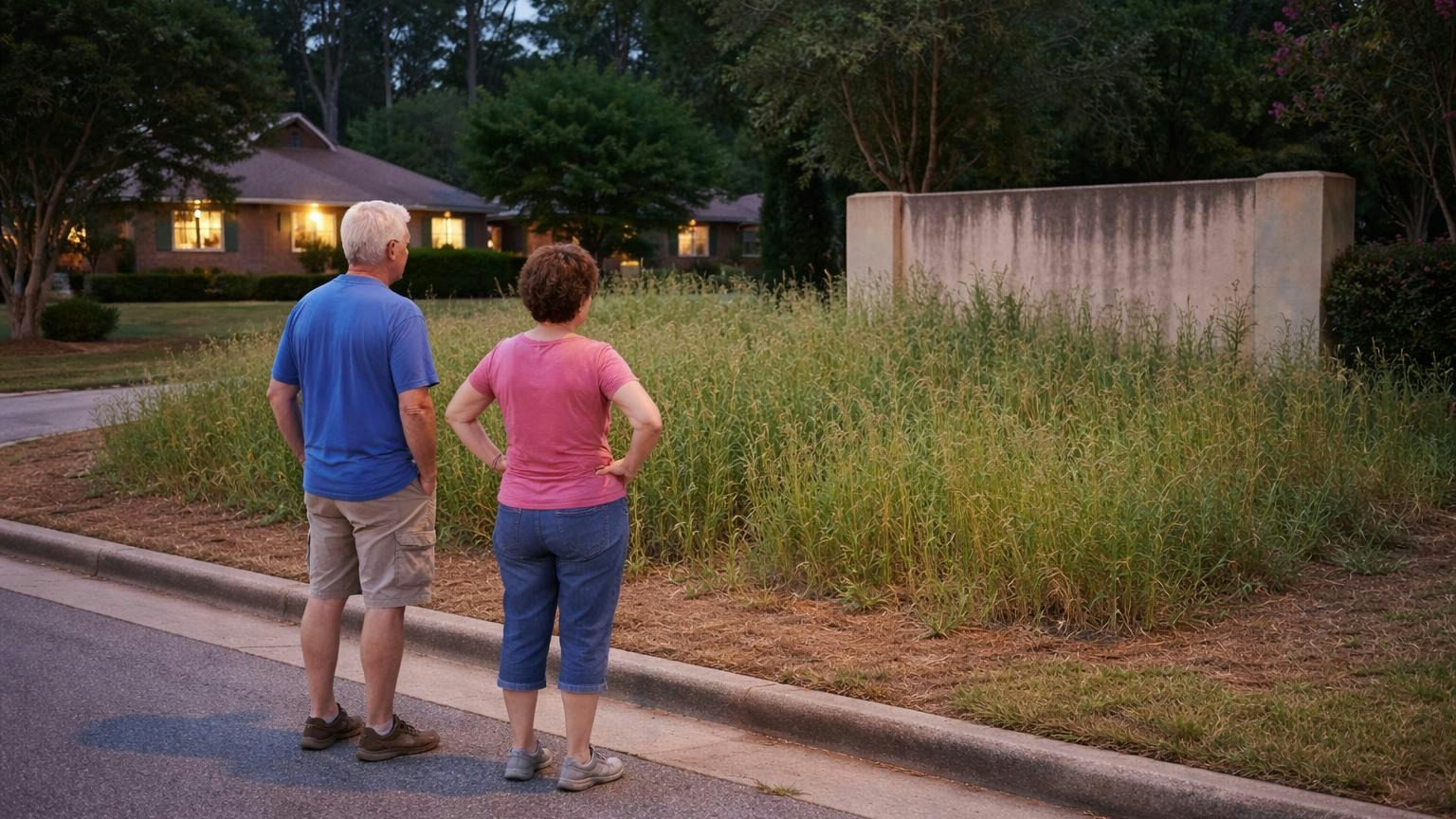
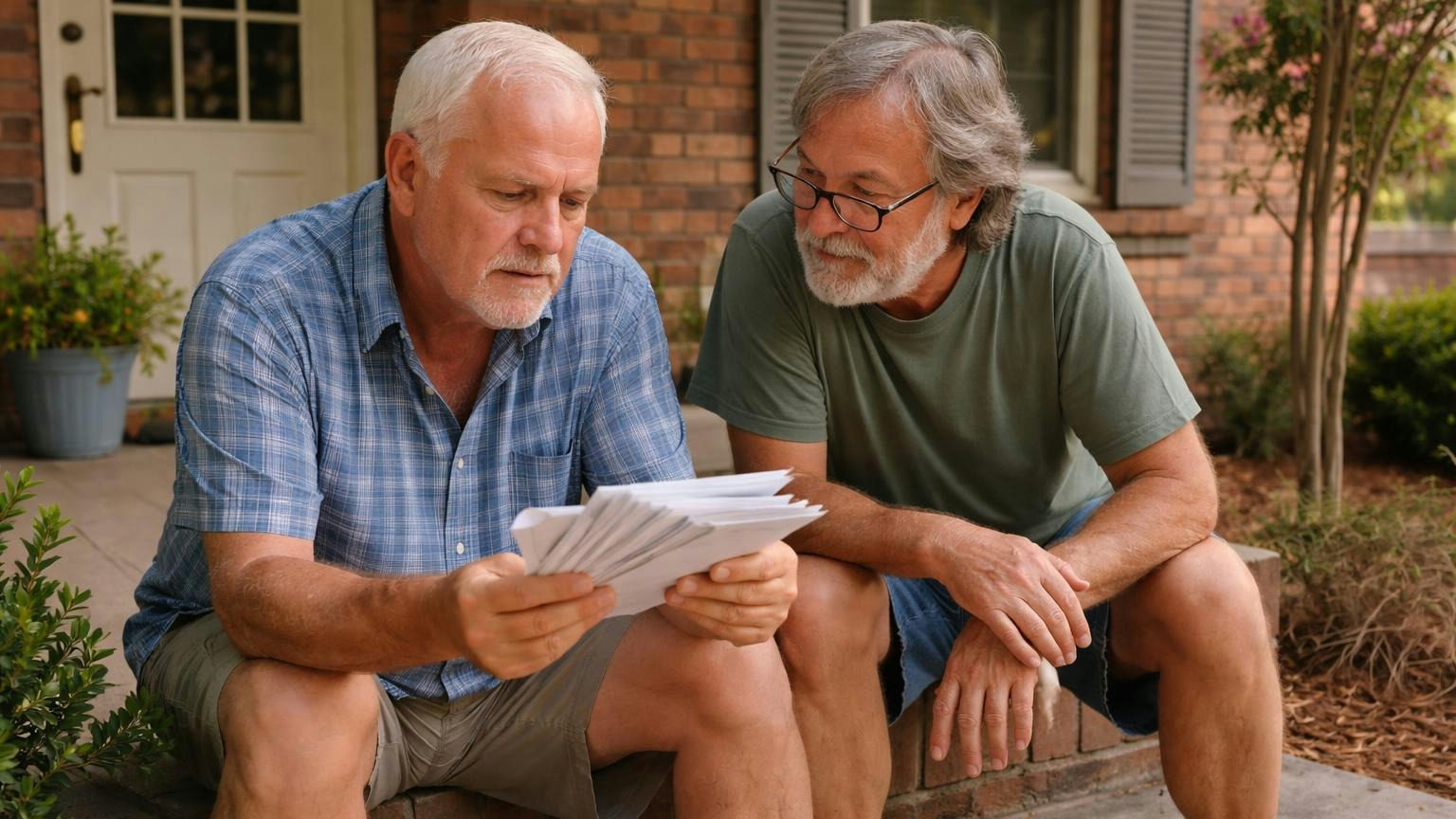
The notice arrives by certified mail. A neighbour, one you may not know, intends to ask the court to appoint someone to run your association, because the board has not had enough directors to act for months.
Nobody on your street did anything wrong. People moved; the annual meeting came and went. In Florida, that is the situation the law was written for: the person the court appoints gets the powers of your whole board, and your association pays for them.
That is a zombie HOA. Here is what the public record says happens to one, the two laws that assume a named board, and a five-minute check. It is general information, not legal advice; your governing documents and your association's attorney decide what applies to you.
What it is: Everything still binds, nobody can act
"Zombie HOA" is not a legal term. It is the name for a community where the machinery of an association is still alive and the people who are supposed to run it are not there.
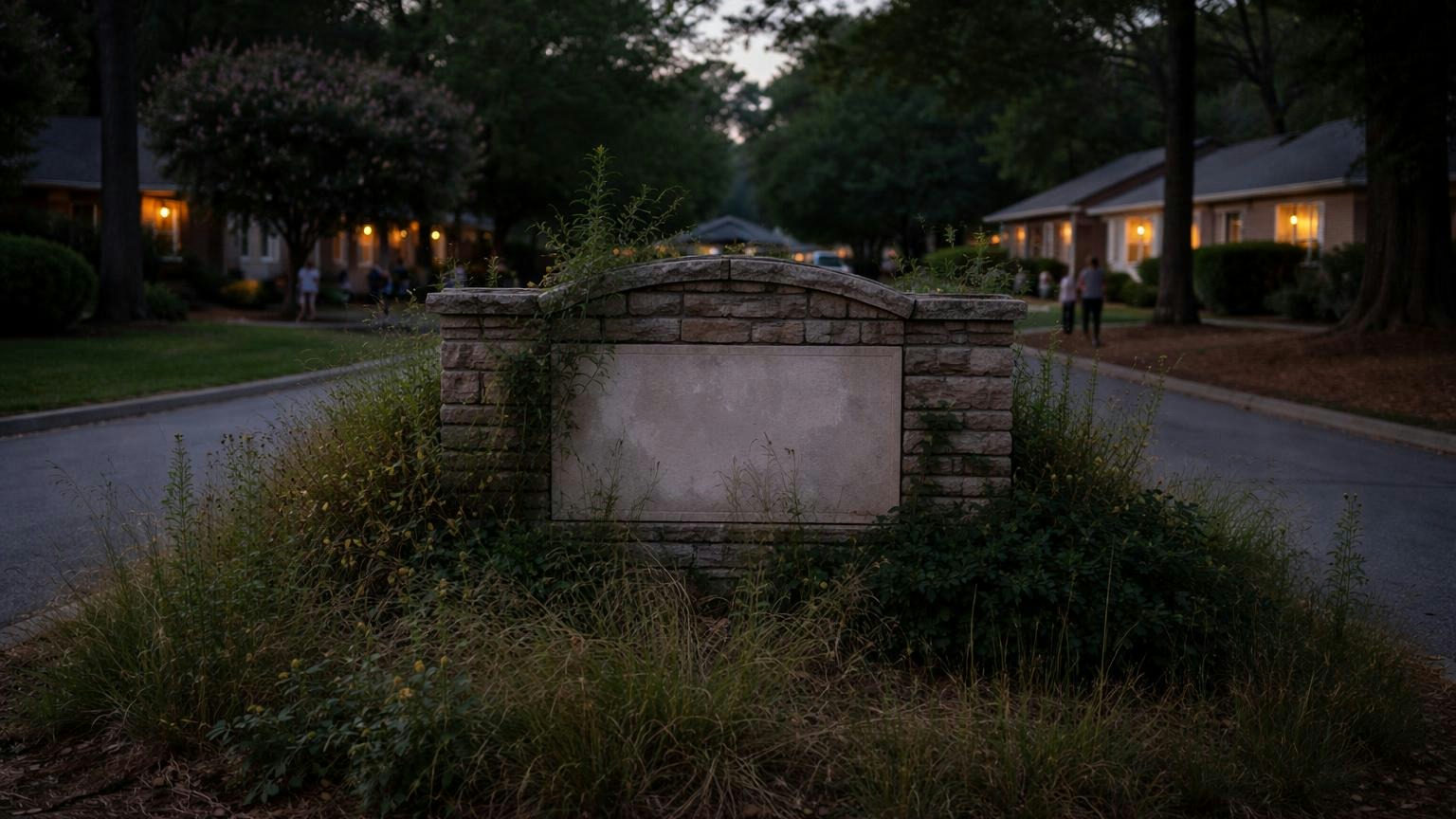
The covenants are still recorded against every lot. The dues are still owed. The pond, the entrance and the pool still need insurance, mowing and repairs. What is missing is a board with enough members to make a decision, or a developer that never handed control to the owners at all.
It usually arrives one ordinary step at a time.
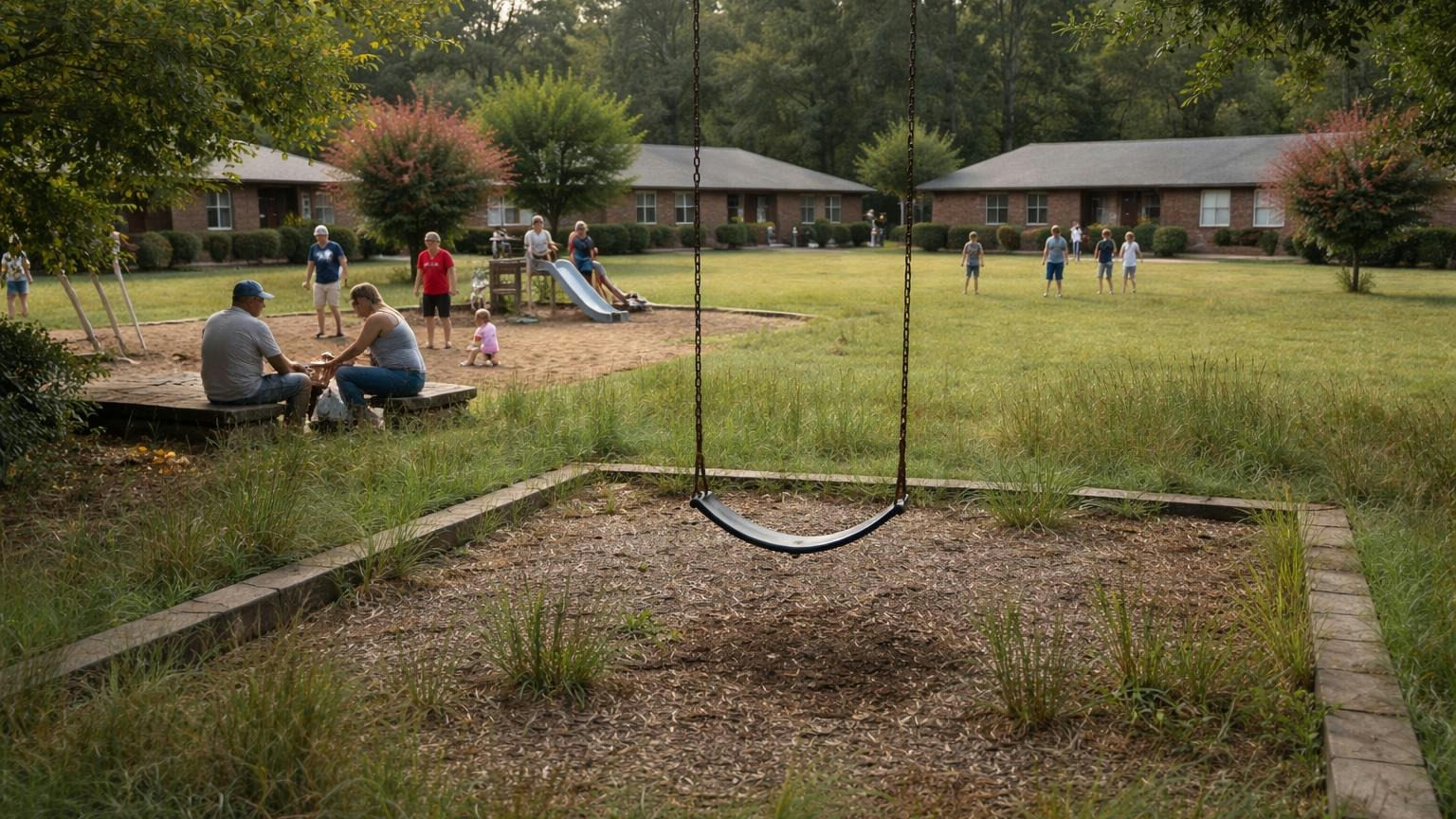
How a community goes quiet.
- Year 1: A director moves; the seat stays empty
- Year 2: The annual meeting misses quorum
- Year 3: The board can no longer act
- Then: An owner, a lender or the state steps in
The first outsider: A receiver, paid by the community
At least three states spell out what happens when a homeowners' association cannot field enough directors to act. In each, the answer is a court-appointed receiver, someone from outside who runs the association until it can run itself again.
Florida. If an association "fails to fill vacancies on the board of directors sufficient to constitute a quorum," any member may apply to the circuit court for a receiver after giving 30 days' notice, by certified mail or personal delivery, to the association and to every member, and posting it in the community (Fla. Stat. § 720.3053). The receiver has "all powers and duties of a duly constituted board of directors" and stays until the board is filled and the court lets them go.
Oregon. An owner, or a first mortgagee, may ask the court for a receiver after 45 days' notice, including when owners fail to elect a quorum of directors at the developer's turnover meeting (ORS 94.642).
Maryland. Three or more lot owners may petition, and the receiver "may not reside in or own a lot in the development" (Md. Code, Real Prop. § 11B-111.5).
30 days is all the notice one Florida member must give the association and every owner before asking a court to appoint a receiver, and the association pays the receiver's salary, the court costs and the attorney's fees. — Fla. Stat. § 720.3053
Oregon and Maryland say the same thing in their own words: those costs are expenses of the association. So the stranger running the community is paid out of the same dues an empty board would have spent on the pond and the entrance.

One detail most boards do not know: in Oregon, it does not have to be a neighbour who starts it. The first mortgagee on any home in the community, usually the bank holding its loan, can ask for the receiver too (ORS 94.642). The lender does not need a single owner to agree.
The quiet death: The state stops counting you
A receiver is the loud ending. The quiet one is a missed filing.
Many associations are nonprofit corporations, and many states require a corporation to file a periodic report. When nobody is in charge, nobody files. In Michigan, a nonprofit that fails to file its annual report or pay the fee for two years "is automatically dissolved 60 days after the expiration of the 2-year period," and the state must warn it at least 90 days before the two years run out, at the address or agent it has on file (MCL 450.2922). It can renew, but someone has to notice first.
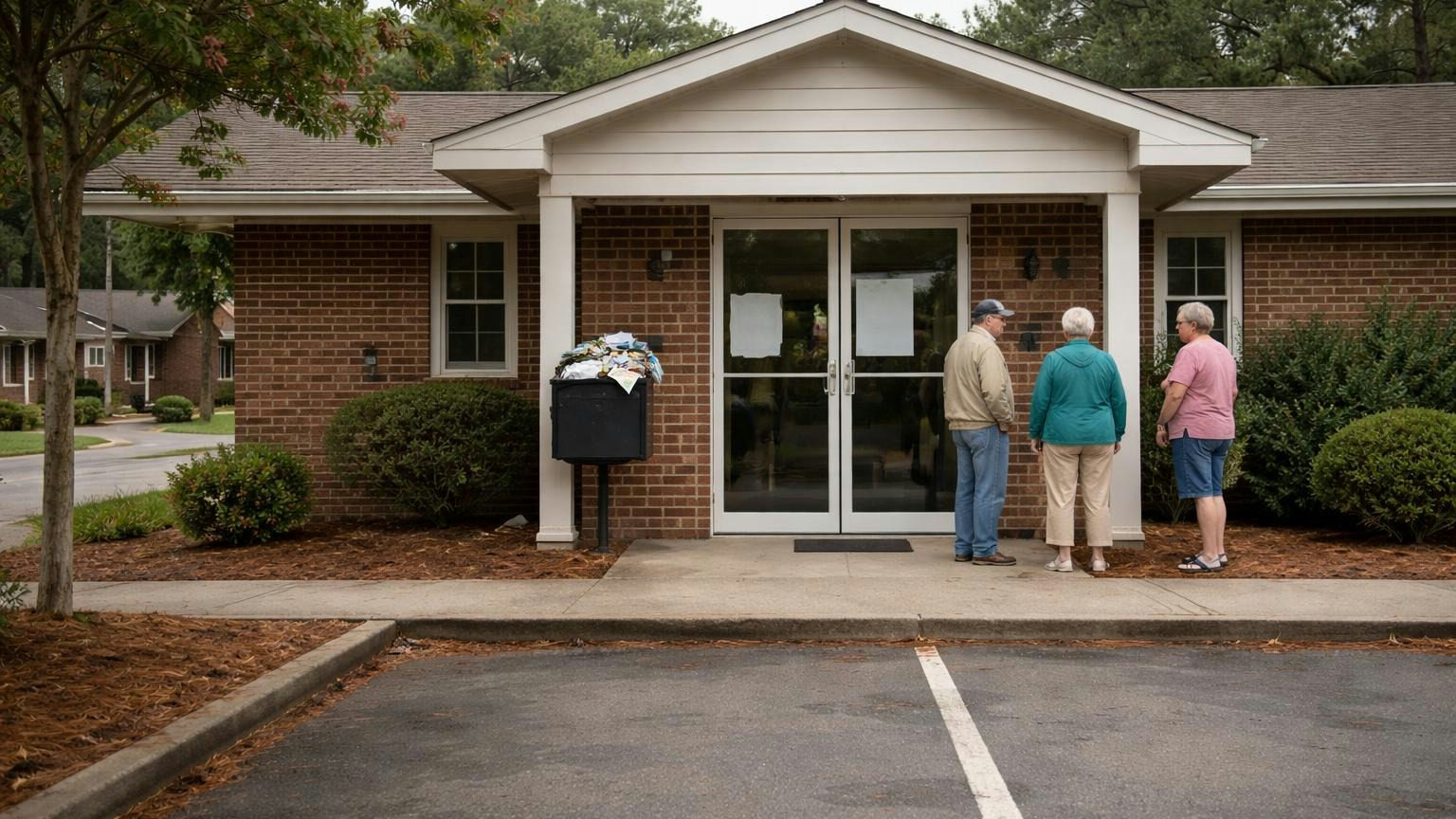
Dissolving the corporation does not, by itself, erase the recorded covenants or the common property. The common property still needs an owner, and the bills still come. The only thing that disappears is the clean answer to the question "who can sign for this?"
The record asks: Who is in charge here?
The public record is starting to ask that question on purpose.
Texas already does. An association must record a management certificate in each county it sits in, naming the person managing it or its designated representative, and record an amended one within 30 days after it learns of a change (Tex. Prop. Code § 209.004). Leave it unrecorded or stale and, when a home sells to a good-faith buyer, the association's lien is enforceable only for amounts incurred after the sale, and the buyer, lender and title company are not liable for what was owed before.
Georgia joins on January 1, 2027. An association that does not register, with its officers' names, may not collect fines or fees or file liens (Ga. SB 406).
A community with no functioning board cannot fill in either form, and in both states the cost lands on its ability to collect.
What's next: Two laws that need a named board
Neither law mentions zombie HOAs. Both simply assume somebody is there to act.
Two dates, one already passed.
- Aug 12, 2026: Colorado developers now pay for a reserve study before turnover
- Jan 1, 2027: Tennessee HOAs must carry a fidelity bond
Colorado, since August 12, 2026. A developer must pay for an independent reserve study covering 30 years of repair and replacement costs, completed before control passes to the owners (HB 26-1099, final fiscal note). The study is handed over at turnover, so it is only useful if a board of owners exists to receive it and set dues from it.
Tennessee, from January 1, 2027. For an association that collects assessments, the board or its managing agent "shall obtain and maintain a blanket fidelity bond" covering theft or dishonesty by its officers, directors, employees or managing agent. The bond must equal the reserves plus one-quarter of a year's assessments, and at least $10,000 (SB 2326, Public Chapter 731; date set by amendment SA0694).
$10,000 is the smallest fidelity bond a Tennessee HOA that collects assessments may carry from January 1, 2027; the formula is reserves plus a quarter of a year's assessments. — Tennessee SB 2326 (Public Chapter 731)
A community with no board, and no managing agent, has no one to buy that bond or renew it.
HOA Board Turnover: What 3,152 Expired Colorado HOAs Show
The check: Could ours become one?
There is rarely one moment a community goes quiet, which is why the gap is easy to miss until a notice arrives. Five questions catch it early.
- We held an annual meeting with a quorum in the last 12 months.
- We have enough directors in office to make a board quorum today.
- Our state filing (annual report or registration) is current, and lists people who still live here.
- At least two people can see the bank account and the insurance policy.
- If the developer still controls the board, we know the date or the trigger for turnover.
If you ticked all five, your association can act. If you missed the second, your board cannot act today: ask your attorney what your governing documents allow. If you missed any other, put it on the next agenda. It costs a few emails now; a receiver costs the association the court's bill.
At the next meeting, say this: "Before we adjourn, let's confirm three things for the minutes: how many directors we have, when our state filing is due, and who besides the treasurer can see the bank account."
Frequently asked questions
Can an HOA just stop existing if no one runs it? Rarely. The covenants are recorded against every lot and usually run with the land, so the duties and the common property remain even if the corporation lapses. In Michigan, for example, a nonprofit that skips two years of annual reports is dissolved automatically (MCL 450.2922), but the recorded covenants are a separate thing. Your governing documents and your attorney decide what applies to you.
Who pays for a court-appointed receiver? The association. Florida's statute says the association "shall be responsible for the salary of the receiver, court costs, and attorney's fees" (Fla. Stat. § 720.3053); Oregon and Maryland treat those costs as association expenses (ORS 94.642; Md. Real Prop. § 11B-111.5). In practice that means every owner's dues.
What if the developer never handed over control? Some states set the trigger in statute. In Florida, owners other than the developer are entitled to elect at least a majority of the board at the earliest of several events, including three months after 90 percent of the parcels in all phases are conveyed to them; a developer with unpaid assessments or guaranteed amounts for more than two years is rebuttably presumed to have abandoned the community, and at turnover the developer has 90 days to deliver the minute books and all association funds (Fla. Stat. § 720.307). Elsewhere, the declaration sets it. Read it, and ask the developer for the date in writing.