The short answer
- Often, yes. In several states a community can decide a matter by ballot, by mail or electronically, without anyone gathering in a room, unless its own documents prohibit or limit it.
- The thresholds still apply. Under the North Carolina, Arizona and California nonprofit acts, the ballots returned must equal the quorum a meeting would need, and enough of them must approve.
- Your documents decide the details. Read your articles, bylaws and declaration, and ask your attorney before the first ballot goes out.
Twenty-six owners sign in. Quorum is 30. In this example community of 120 homes, that gap of four means the repaving bid, good for 60 days, waits another month. So does the budget.
Nobody did anything wrong. Four households had a sick kid, a late shift, a flight, a Tuesday. That is friction, not apathy, and the calendar is built so a little friction stops everything.
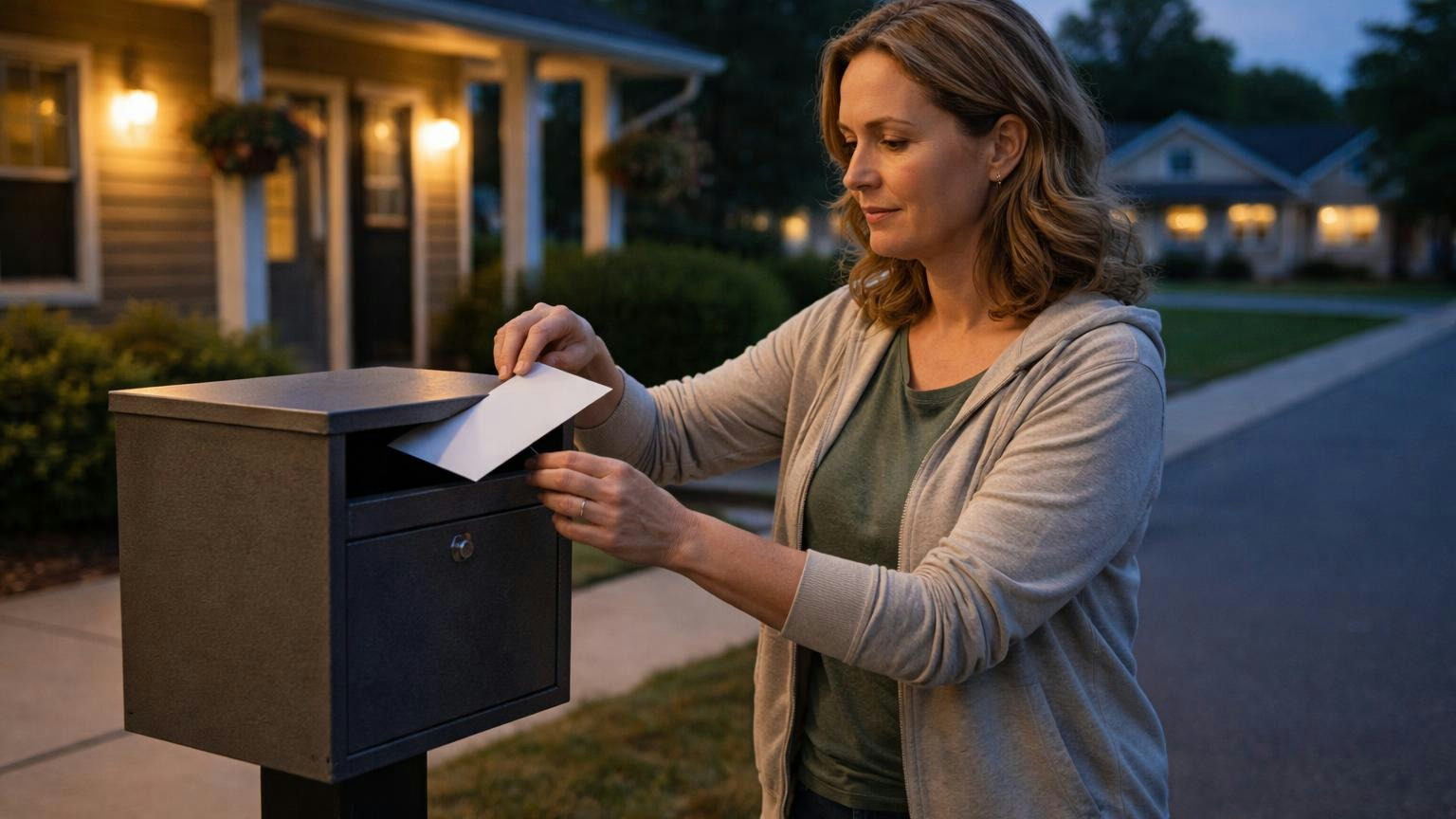
Here is what most boards are never told. In several states, that community could have made the same decision without the room at all. A ballot, mailed or emailed, counted against the same quorum, decided by the same majority. The law moved. Most bylaws didn't.
This is general information, not legal advice. Your governing documents and your association's attorney decide what applies to you.
The bottleneck: Bylaws written for a room
Most HOA bylaws were drafted around one picture: folding chairs, a sign-in sheet, a show of hands. Every owner decision runs through that evening. Miss quorum, and everything waits.
State law has quietly added other doors. Some nonprofit corporation acts let members act without a meeting by written ballot. Some HOA statutes make associations accept absentee ballots and count them toward quorum. Some let any vote be cast electronically unless the declaration says no.
None of this is new technology. It is a change in where a decision may happen. Here is what four states' statutes say, at the source.

North Carolina: A decision by ballot, no meeting
North Carolina's Nonprofit Corporation Act says that, unless the articles of incorporation or bylaws prohibit or limit it, any action that may be taken at an annual, regular or special meeting of members may be taken without a meeting by written ballot or electronic voting (N.C.G.S. § 55A-7-08(a)). It applies to associations incorporated as North Carolina nonprofit corporations, subject to their own articles and bylaws.
The rules that come with it, all from § 55A-7-08:
- Each proposed action is set out, with a chance to vote for or against it (§ 55A-7-08(a)(1)).
- Written ballots can come back by email. They may be returned "by any reasonable means specified by the corporation, including email" (§ 55A-7-08(a)(1)).
- Every member entitled to vote gets the chance, by paper, electronically, or both; the board chooses (§ 55A-7-08(c)).
- One deadline, stated on every ballot, the same for paper and electronic votes (§ 55A-7-08(d)).
- No take-backs. A submitted ballot cannot be revoked unless the articles or bylaws say otherwise (§ 55A-7-08(e)).
Then the two thresholds that keep it honest (§ 55A-7-08(c)):
- The ballots cast must equal or exceed the quorum a meeting would need.
- The approvals must equal or exceed what a meeting would need with that same number of votes cast.
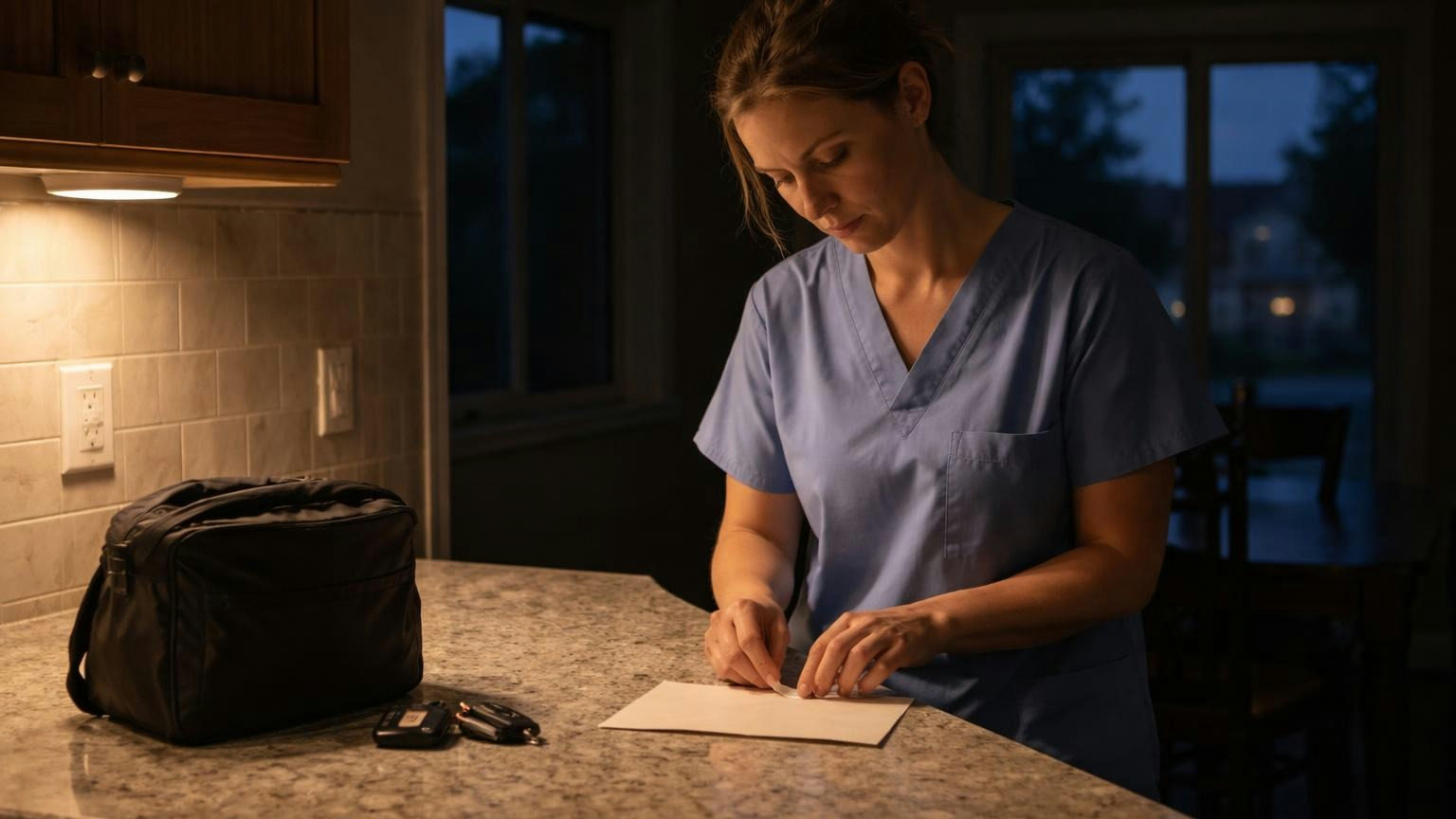
Run it on the example. Quorum is 30 homes. If 30 ballots come back and the bylaws require a majority of votes cast, 16 approvals carry it. If only 26 come back, nothing passes, exactly as at the meeting. The difference: the owner on the late shift could vote at 6 a.m.
One limit. Electronic-only voting is allowed only if every member entitled to vote has designated an email address with the association under N.C.G.S. § 55A-1-70(b) (§ 55A-7-08(c)). Until then, paper ballots have to be on offer.
Still one meeting a year North Carolina's Planned Community Act still requires a meeting of the association at least once each year (N.C.G.S. § 47F-3-108(a)). A ballot settles a decision. It does not cancel the annual meeting.
Arizona: Proxies out, ballots in, and they count
Arizona's planned community statute goes further on one point. Once the declarant (the developer) no longer controls the board, votes may not be cast by proxy, whatever the community documents say (A.R.S. § 33-1812(A)). In their place, the association shall provide for votes cast in person and by absentee ballot, and may allow other delivery, including email and fax (§ 33-1812(A)).
And those ballots count. Votes cast by absentee ballot or other delivery, including email and fax, are valid for establishing a quorum (§ 33-1812(B)).
The ballot itself has rules (§ 33-1812(A)(1)–(7)):
- It sets out each proposed action, with for or against.
- It is good for one election or meeting only, then expires.
- It gives a delivery deadline at least seven days after the board delivers the blank ballot.
- It cannot authorize anyone else to vote for the owner.
- It carries the voter's name, address and signature (on the envelope only, where secret ballots are allowed).
- Ballots, envelopes and sign-in sheets are kept for at least one year and open to members' inspection.
7 days is the shortest delivery deadline an Arizona planned-community ballot may set, counted from the day the board delivers the unvoted ballot. — A.R.S. § 33-1812(A)(4)
Arizona's nonprofit corporation law adds a second door. Unless the articles or bylaws prohibit or limit it, members may take any meeting action without a meeting if the corporation delivers a written ballot to every member entitled to vote, with the same two thresholds as North Carolina (A.R.S. § 10-3708(A), (C)). The solicitation must say how many responses make quorum and what percentage approves (§ 10-3708(D)). The planned community statute sets its own ballot rules "notwithstanding" § 10-3708, so how the two fit for a given decision is a question for your attorney.

Virginia: Electronic votes unless the declaration says no
Virginia's Property Owners' Association Act has the broadest wording of the four on electronic votes. Unless expressly prohibited by the declaration, any notice, and any signature, vote, consent or approval required under the declaration, the bylaws or the Act, may be accomplished using electronic means (Va. Code § 55.1-1832(A)).
The conditions, all in the same section:
- Keep the record. An electronic vote needs a record created as evidence, kept as long as a paper one would be (§ 55.1-1832(D)).
- Secret means secret. If a vote must be by secret ballot, the electronic method must protect the voter's identity, or another method is used (§ 55.1-1832(D)).
- Another way on request. Anyone without the capability or desire to do business electronically gets a reasonable alternative, at the association's expense (§ 55.1-1832(G)).
- The meeting can move too. Any association meeting may be held entirely or partly by electronic means, once the board has adopted guidelines for doing so (§ 55.1-1832(F)).
Note what Virginia's section does and doesn't say. It makes the electronic vote valid, and it lets the room be a video call. It does not, by itself, say a vote can happen with no meeting. Whether yours can is a question for your documents and your attorney.

California: Ballot action, with a big exception
California's nonprofit mutual benefit law lets members take any meeting action without a meeting by written ballot, unless the articles or bylaws prohibit it, with the same two thresholds, and with electronic ballots allowed where the board approves and the documents don't say otherwise (Cal. Corp. Code § 7513(a)–(b)).
The exception is large. Under the Davis-Stirling Act, votes on assessments legally requiring a vote, electing and removing directors, amending the governing documents, and granting exclusive use of common area must be held by secret ballot under its own election procedures, notwithstanding any other law (Cal. Civ. Code § 5100(a)(1)), and those procedures prevail over the Nonprofit Mutual Benefit Corporation Law where the two conflict on elections (§ 5100(e)). That is where California's rule to mail or deliver ballots at least 30 days before the voting deadline lives (§ 5115(c)).
The limits: What a ballot does not change
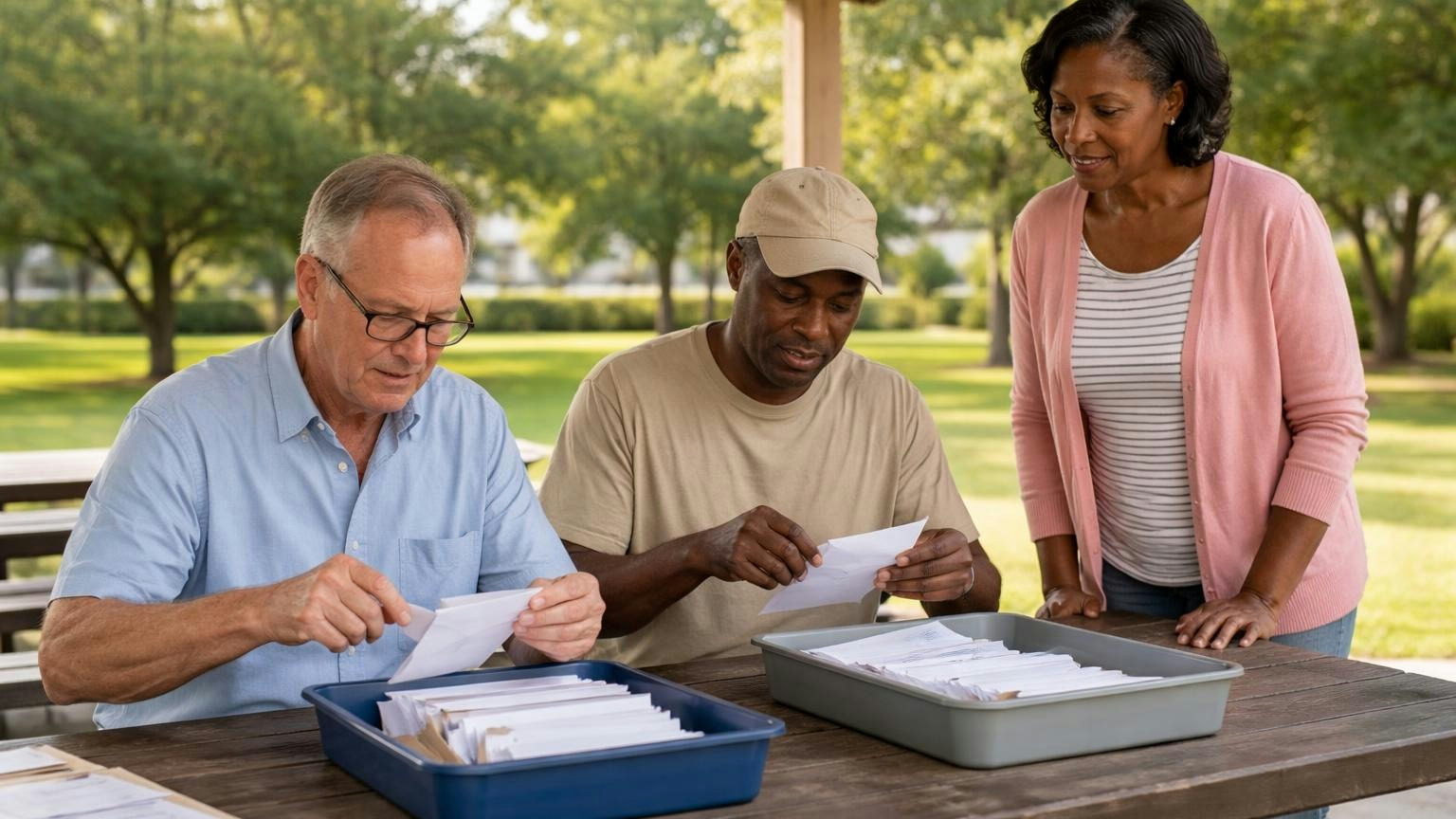
A ballot is a different door, not a shortcut. It does not lower the bar.
- The thresholds stay. In North Carolina, in Arizona's nonprofit law and in California, if not enough ballots come back to equal quorum, nothing passes (N.C.G.S. § 55A-7-08(c); A.R.S. § 10-3708(C); Cal. Corp. Code § 7513(b)).
- Your documents can close the door. North Carolina, Arizona's § 10-3708 and California all start with "unless prohibited" (or limited) by the articles or bylaws. In Virginia, the declaration can expressly prohibit electronic means.
- Some votes have their own rules. Director elections, assessments and amendments often carry their own procedures, as California's secret-ballot list shows.
- Other states may be silent. If your state isn't above, it may still allow ballot action through its nonprofit law, or it may not. Your governing documents and your attorney decide.
The question was never whether the community cares. It was whether the decision had any door besides one room on one night.
If you decide the meeting is still the right way, plan the run-up so the room fills:
Get Quorum at Your HOA Annual Meeting: A 2-Week Plan
Your documents: What to check before the next vote
Pull your articles of incorporation, bylaws and declaration. Then work down this list.
- Is the association incorporated, and under which state's nonprofit law? That decides whether a no-meeting ballot section reaches you at all.
- Do the articles or bylaws prohibit or limit action by ballot? Find the section and write its number down.
- Does the declaration expressly prohibit electronic votes? (In Virginia, that is the test.)
- What is quorum, in homes? The ballots cast must reach it in North Carolina, under Arizona's § 10-3708, and in California.
- What approval does each decision need? A majority of votes cast, of all owners, or a supermajority.
- Who sets the deadline, and is it long enough? Arizona's planned-community ballots need at least seven days.
- Who has designated an email address? In North Carolina, electronic-only voting needs every voting member to have done so.
- Where will ballots be kept, and for how long? Arizona's planned-community statute requires at least one year, open to members.

Frequently asked questions
Can HOA members vote by email? In some states, yes: North Carolina lets written ballots come back by email (N.C.G.S. § 55A-7-08(a)(1)), Arizona lets an association allow email delivery (A.R.S. § 33-1812(A)), and Virginia allows electronic votes unless the declaration expressly prohibits them (Va. Code § 55.1-1832(A)). Your documents may still limit it.
Do absentee ballots count toward quorum? In Arizona planned communities, yes (A.R.S. § 33-1812(B)). Elsewhere, check your bylaws and your state's law.
Does voting by ballot replace the annual meeting? Not necessarily. North Carolina still requires an association meeting at least once a year (N.C.G.S. § 47F-3-108(a)). Whether a ballot can stand in for a required meeting is for your documents and your attorney.
Bottom line
The meeting is one way a community decides, not the only one. North Carolina, Arizona, Virginia and California already allow others by statute, each with its own rules and each subject to your documents. Before the next decision stalls for want of four households, find out which doors yours already has.
The sentence for your next board meeting: "Before we schedule the next owner vote, let's confirm whether our documents and our state's law let owners decide it by ballot, and have our attorney check the procedure."