
The short answer
- What falls through an HOA handover is rarely the money. It is the open items one person was tracking: conditional approvals, violations mid-cure, claims in progress, contracts about to renew, repairs promised to an owner.
- Each open item runs on a date, and the date keeps counting after the person who knew it steps away.
- The fix is a walk list this month: every open item written down, with an owner and a date, kept by the board.
Picture a homeowner told yes to her new pergola in March, and sent a violation letter in October by a board that cannot find the approval. Nothing about her pergola changed; the person who kept the file did.
Three state rules show what is at stake. In California, an HOA's decision on a homeowner's project has to be in writing. In Florida, if an owner fixes a violation before the hearing, or in the way the board's notice spelled out, the board cannot fine them. In New York, a service contract's automatic renewal cannot be enforced against the community unless the vendor sent a written reminder first.
Three rules, three dates. Each one protects a board only if somebody can find the date.
That is what gets lost when a community changes treasurers, management companies or software. The bank balance moves, because a bank keeps a record of every cent. The open items move only if someone writes them down, and often nobody has. This is general information, not legal advice: your governing documents and your association's attorney decide what applies to you.
The pattern: Money moves, open items do not
Handovers are usually planned around the money: the bank signers, the dues ledger, who owes what. Those have a paper trail by design.
Open items have no trail. They live in an inbox, a notebook, a phone, and the memory of the volunteer who handled them.

Approvals: The yes nobody can find
California's Civil Code says an architectural decision "shall be in writing," and a denial must explain why and say how to ask the board to reconsider. Elsewhere, the governing documents usually set the rule.
A written decision helps only if the community keeps it. The trouble starts with the approval that came with conditions: finish by a date, use a certain color, plant a screen within a season. The homeowner was told yes. The person who told them knew the conditions. When that person leaves, the next board sees a new pergola, finds no file, and sends a violation letter to a neighbor who did exactly what they were told.
For every open approval, write down the address, what was approved, each condition, and the date it must be met.
How to Decide an HOA Architectural Review Request in 5 Steps
Violations: The cure date that restarts from zero
Florida's HOA law spells out the process: before a fine, the board must give at least 14 days' written notice of the owner's right to a hearing, and the notice must describe the violation and "the specific action required to cure" it. If the owner cures it before the hearing, or in the way the notice specified, the statute says the fine "may not be imposed."
A violation in progress is a clock with rules attached. When the volunteer tracking it leaves, two things go wrong. The new board does not know the notice went out, and starts over from a first letter. Or it does not know the owner already cured it, and sends a second notice to someone who did the work.

For every open violation, write down the address, the date of each notice, the cure the notice asked for, and the date it is due.
Contracts: The renewal that arrives by itself
Many vendor contracts renew on their own unless the community says otherwise by a deadline written into the contract. Fall is when it bites: snow removal, leaf pickup, pool closing and irrigation shut-off contracts all come round on a calendar.
New York protects the customer on service contracts for property.
15 to 30 days before the cancellation deadline is when a New York vendor must send written notice, in person or by certified mail, of an automatic renewal clause, or the clause cannot be enforced against the customer. — New York General Obligations Law § 5-903
Where no law like that applies, the notice date in the contract is the one that counts. If the treasurer who signed it is the only one who knows that date, the contract renews whether the board wanted it or not.
For every vendor contract, write down the vendor, the end date, whether it renews itself, and the last day to give notice.
Claims and promises: The two that lapse quietly
A warranty claim on new common-area work, or an insurance claim after a storm, has its own deadlines, written in the warranty or the policy. An unfinished claim can run out.
The promise to an owner is the softest item of all. "We will fix the cracked sidewalk in front of your house this fall" was said at a meeting, maybe in an email. When the board turns over, the owner remembers it and the board does not.
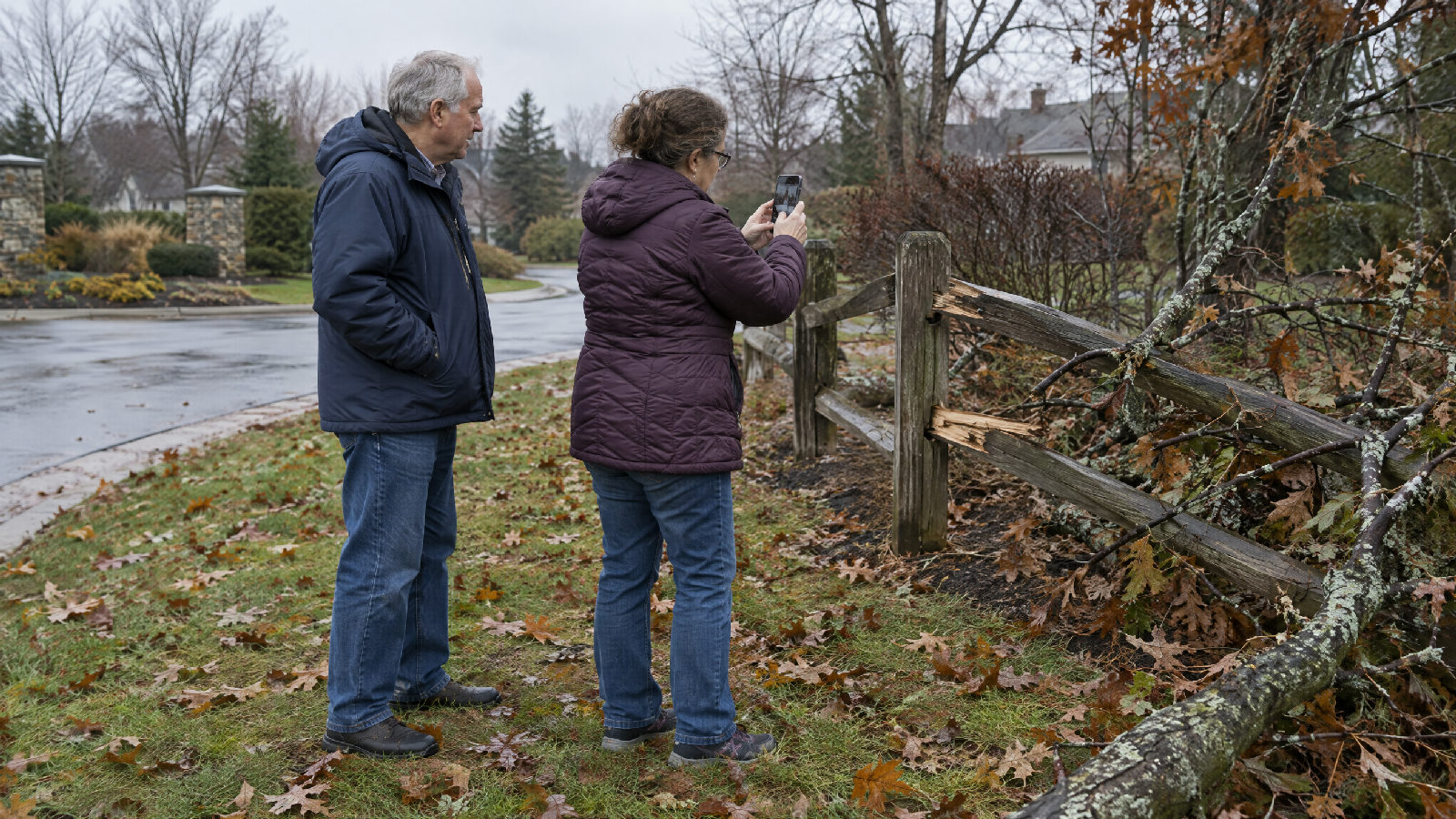
For every open claim and promise, write down what it is, who it was made to, where it stands, and its next date.
The walk list: One evening this month
You do not need a handover to do this. A treasurer can resign, a manager can quit, or a volunteer can move away with two weeks' notice.
An open-items walk a board can run in one evening.
- Approvals: Every conditional approval, its conditions and deadline.
- Violations: Every open notice, its cure and due date.
- Contracts: Every vendor, end date and notice deadline.
- Claims: Every warranty and insurance claim, and its next date.
- Promises: Every repair promised to an owner, and when.
Give each line an owner and a date. Keep the list where the board keeps its records, not in one person's inbox, and look at it at every meeting.
Your check: Could your board answer these tonight?
- We know every approval still waiting on a condition, and its deadline.
- We know every violation partway through its cure period, and its due date.
- We know the notice deadline for every vendor contract that renews itself.
- We know every open warranty or insurance claim, and its next date.
- We know every repair the board has promised an owner.
If any box stays empty, the list starts there.
Frequently asked questions
What gets lost when an HOA changes management companies, treasurers or software? Usually not the money, which has a bank's paper trail. What falls through is the open items one person was tracking, each running on a date. A written list with an owner and a date for each keeps them.
Do HOA vendor contracts renew automatically? Many do, unless the community gives notice by a deadline in the contract. In New York, an automatic renewal in a service, maintenance or repair contract cannot be enforced against the customer unless the vendor first sent written notice 15 to 30 days before that deadline (renewal periods of a month or less are excepted). Elsewhere, read the contract's own notice clause.
Does a new HOA board have to honor the last board's approvals? An approval is the association's decision, not one volunteer's, which is why the written decision and its conditions matter: they let the next board check what was approved instead of starting over. Whether a past approval binds the community depends on your governing documents and state law, so ask your association's attorney.