The short answer
- The most common complaints against HOA boards are about the rules, repairs and getting information. In South Carolina's 2026 report, the top three were covenants and bylaws not followed or enforced, maintenance and repairs, and ignored requests to see documents.
- Nearly every complaint was raised with the association first: 98% of South Carolina complainants said so.
- From January 1, 2027, Georgia residents get a state complaint process against registered associations, with a hearing officer and a $100 fee for the side that loses the hearing. A written way to raise a concern is the board's best answer.
South Carolina's consumer agency logged 1,104 separate concerns in HOA complaints filed in 2025. Before filing, 98% of those owners said they had already taken the concern to their association or its manager, and still ended up at the state.
So the complaint is rarely the first word. It is usually the second, after an answer that did not come, or did not land.
Two state offices published new counts in 2026: South Carolina's Department of Consumer Affairs early in the year, and Illinois' condominium and common interest community ombudsperson on October 1. Both point to the same thing: communication. And on January 1, Georgia adds a state process that can investigate and hold a hearing.
The count: What the two reports found
South Carolina (2026 report, complaints filed in calendar 2025):
- 586 HOA complaints received; 452 are included in the report (the rest were duplicates, referrals, incomplete or abandoned).
- Those 452 were filed against 339 associations or management companies, and raised 1,104 concerns between them.
- The top three concerns: the association not following or enforcing its covenants and bylaws (16.8%), maintenance and repairs (11.7%), and a request to see information or documents that was ignored (9.5%).
Illinois (report of October 1, 2026, July 2025 through August 2026):
- 378 written inquiries to the ombudsperson, 85% of them from unit owners and about 11% from board members.
- About 20% were about governance: whether the board gave adequate notice of meetings, held meetings at all, or used closed sessions properly.
- 10% were about an owner's right to see the association's records, and what to do when they are late or never come.
The Illinois office answers questions; it cannot hear, mediate or resolve disputes. Its counts are inquiries, not formal complaints.
98% of the people who filed an HOA complaint with South Carolina's consumer agency in 2025 said they had already raised the concern with the HOA or its management company. — South Carolina Department of Consumer Affairs, 2026 Homeowners Association Annual Report
The pattern: What owners say would fix it
South Carolina's questionnaire asks complainants what they would change. The top two answers are about information.
The top recommendation for changing a community's governing documents was requiring open meetings and notice (27.5%). Second was setting rules for viewing and copying documents and records (18.1%). The agency's own summary: the trends in owners' issues and recommendations "are often related to communication."
…both unit owners and associations would benefit from more effective, transparent, and timely communication… — Illinois Condominium and Common Interest Community Ombudsperson, October 1, 2026
68% of the South Carolina complaints closed with what the agency calls an adequate response from the association: every point answered, with the policy behind it. Owners were satisfied with the outcome in just four complaints (0.88%). A response that answers on paper is not the same as an owner who feels answered.
Who it happens to: Managed and self-managed alike
In South Carolina's report, 85% of the associations complained about employed a management company. The report does not say what share of all associations are managed, so this is not a ranking. It does show that hiring help does not, by itself, close the gap.
The same count from three other states is here:
HOA Complaints: Records Rank Near the Top in 3 States
What changes next: Georgia's process starts January 1
Georgia's SB 406, the Georgia Property Owners' Bill of Rights Act, takes effect January 1, 2027. Its new O.C.G.A. § 43-17A-5 gives residents somewhere to go when their association is registered with the state:
Georgia's new complaint path, under O.C.G.A. § 43-17A-5.
- Within 180 days: A resident files a written complaint with the Secretary of State.
- A hearing officer: Investigates, and may order a hearing.
- Findings: Both sides get 15 days to satisfy the conclusions.
- Still unsettled: Either side, or the hearing officer, may bring an action to enforce the claim.
Two details matter to a board. Filing a complaint automatically stops the association from collecting, from that owner, the fines or fees it concerns until the hearing officer gives conclusions after the hearing (the officer may extend the stay by 15 days). And the side that loses the hearing pays the state a $100 administrative fee.
The same law lists owners' rights in § 43-17A-7, including notice of members' meetings "in a fair and reasonable manner" consistent with the documents and state law.
Elsewhere, Illinois pushed its ombudsperson law's repeal date to January 1, 2029 (Public Act 104-0377). In South Carolina, House Bill 3350, which would require every HOA to have an internal dispute process, was introduced in January 2025; it is a bill, not a law.
Your move: Three habits that answer first
- Give owners one written way to raise a concern. Where to send it, who reads it, and when the owner hears back. Illinois already requires each association, apart from those its law exempts, to adopt a written policy for resolving owner complaints and make it available on request (765 ILCS 615/35). Elsewhere, your governing documents and your attorney decide whether you must; any board can choose to.
- Answer in writing, even when the answer is no. Name the covenant, rule or minute the decision rests on. That is what South Carolina counts as an adequate response. For example: "Under Section 4.2 of our rules, the board declined the fence on March 3 because it is over six feet; you can ask to be heard at the April meeting."
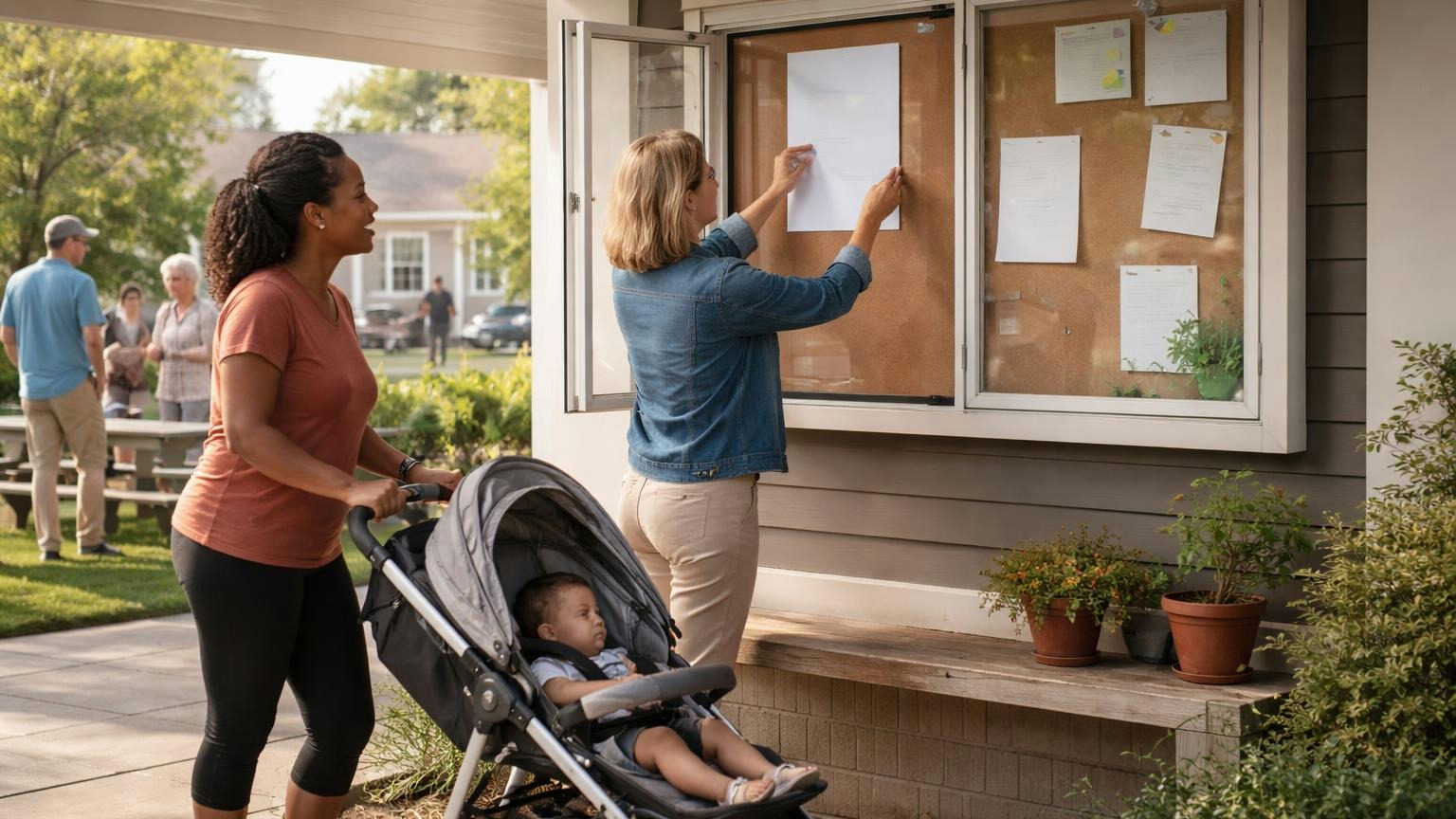
- Post the notices and the documents owners ask for most. Open meetings and notice, and rules for seeing records, were South Carolina complainants' top two recommended changes to governing documents. A document already posted is one request nobody has to chase.
- Our community has one written way to raise a concern
- Every concern gets a written reply that names the rule behind it
- Meeting notices are posted where every owner can see them
Frequently asked questions
What are the most common complaints against HOA boards? In South Carolina's 2026 report: covenants and bylaws not followed or enforced (16.8% of concerns), maintenance and repairs (11.7%), and ignored requests to see documents (9.5%). In Illinois, about 20% of inquiries were about governance, including meeting notice, and 10% about records.
Where can an HOA owner file a complaint? It depends on the state. South Carolina's Department of Consumer Affairs takes HOA complaints through voluntary mediation. Illinois' ombudsperson answers questions but cannot resolve disputes. From January 1, 2027, Georgia residents can file a written complaint with the Secretary of State within 180 days of the action or inaction, against an association registered with the state (O.C.G.A. § 43-17A-5).
Can a state make an HOA answer a complaint? In South Carolina, no: the agency cannot force an association or owner to take part. Georgia's new process is different: a hearing officer can investigate and hold a hearing, and either side can then go to court to enforce or appeal the result (O.C.G.A. §§ 43-17A-5, 43-17A-6).
This is general information, not legal advice. Your governing documents and your attorney decide what your association must do.