
The short answer
- Most HOA special assessments and huge dues jumps come from known work that was put off, dues held flat for years, and too little money set aside for the year the work comes due.
- The research says the problem is rarely new. In a national task-force survey of managers, board members and contractors, most of the problems reported were not surprises to the people who had to address them.
- The law is moving toward the plan, and a board can test its own community for the same shape in ten minutes.
The roof had been patched. The road had been sealed. The pool had been "one more season" for three seasons. Read enough HOA dues-shock stories and the number stops being the surprising part: what is surprising is how old the problem usually was.
In story after story, the work was known. The owners just heard about it for the first time the night the bill was voted.
This piece reads the pattern behind those stories, without naming anyone, and sets it beside what the published research and the state laws actually say. Then it hands you a ten-minute test to run on your own community before your next budget.
The shape: Three ingredients, one bill
Strip the names and the towns out of a year of dues-shock headlines and the same three things keep showing up.
Three ingredients, then the bill.
- Known work: A problem is found and patched, not fixed
- Flat dues: Assessments held level, year after year
- No set-aside: Little or nothing saved for that item's year
- The bill: A special assessment, a loan, or a jump in dues
None of the three is a scandal on its own. Patching a roof leak is reasonable. Holding dues flat in a hard year feels kind. Not saving for a road that is still drivable feels prudent. The trouble is that each one is decided at a different meeting, by people looking at one year. Put together, they make a bill nobody ever voted for until the night it arrived.
That is the villain here, and it is not a person. It is a planning horizon that ends at the next meeting.
The evidence: What the researchers found
In 2020 the Foundation for Community Association Research, whose work is published with the Community Associations Institute (CAI), released Breaking Point: Examining Aging Infrastructure in Community Associations. A task force of attorneys, reserve specialists, engineers, insurers, managers and bankers surveyed managers, board members and contractors about their recent major capital projects.
81% of survey respondents reported unanticipated and unplanned-for infrastructure issues over a recent three-year period. — Foundation for Community Association Research, Breaking Point (2020)
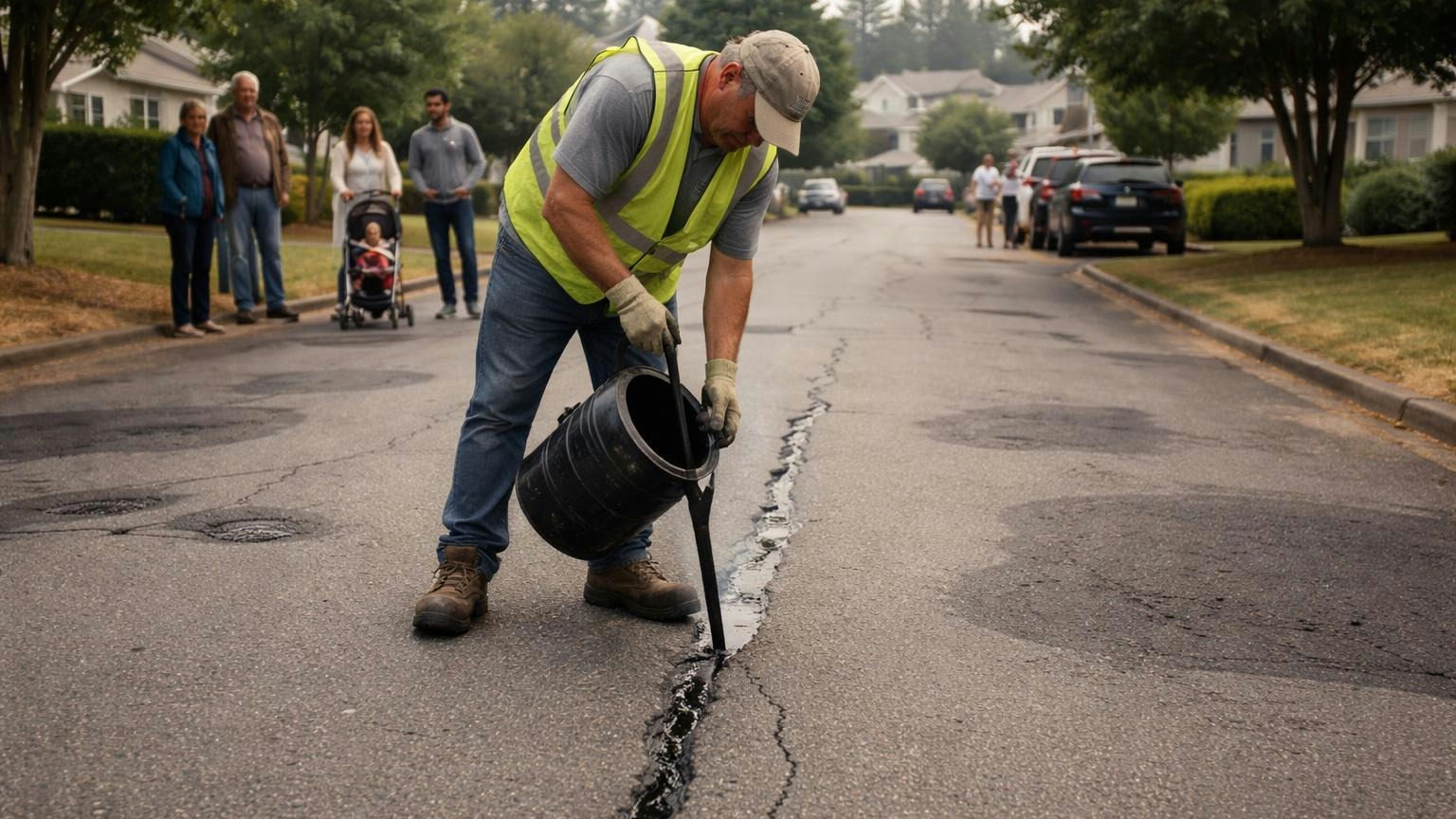
Unplanned is not the same as unknown. The report is blunt about that: "The overwhelming majority of issues reported by survey respondents ... were not surprises to those who had to address them." In many cases, it says, the cause was known, but the community delayed the real fix because decision-makers "wanted to attempt a minor repair to control the damage or they needed time to develop a financial plan for the repairs. Either action deferred the maintenance and turned costly for the community."
Three more findings line up with the shape above:
- Dues stay flat. The task force found that homeowners and boards are often "focused on keeping regular assessments low," and that while owners "will tolerate a modest special assessment in an emergency," it is often hard to convince them to pay higher regular assessments for long-term maintenance.
- Boards hesitate. The report says the majority of boards "are reticent to increase assessments or often fail to plan long term for infrastructure maintenance," and that postponing inspections, reserve studies and full repairs often ends in "an exponentially more comprehensive and expensive project."
- Afterward, dues go up anyway. After facing an aging-infrastructure problem, more than 40% of the reporting communities increased their regular assessments.
What a plan cannot do The same survey found that 36% of respondents had plumbing or electrical problems their most recent reserve study did not identify. A written plan reduces surprise. It does not remove it.
The bill: Why it lands on owners
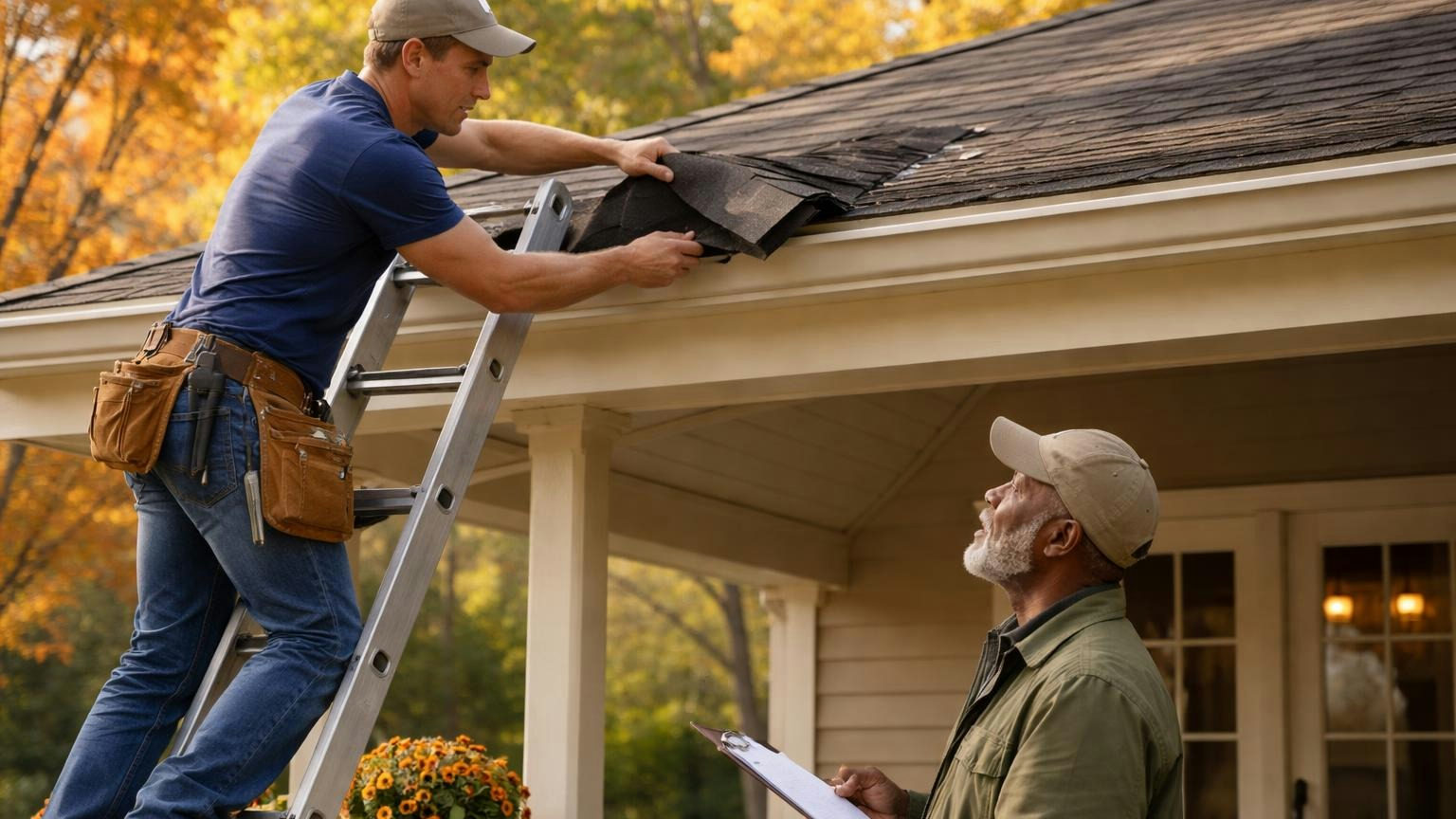
Once the work cannot wait, there are only a few ways to pay for it, and the report names them: a high special assessment, or "a long-term bank loan. Either way, homeowners eventually foot the bill."
A loan does not make the cost go away. It spreads the bill over years, adds interest, and is repaid from what owners pay. So every way out of a deferred repair ends in the same place: the owners' payment, set higher and later than if the money had been set aside along the way.
That is why the night of the vote feels like an ambush even when the number is fair. The number is not the shock. Hearing about it for the first time is.

What changes next: The law is moving toward the plan
Several states already require boards to study their big items and plan for them. These four are worth knowing, because each says something a board anywhere can copy. Where your state is not listed, your governing documents and your attorney decide what is required.
- California. Where the replacement value of the major components the association must maintain is at least half of its gross budget (not counting reserves), the board must have their accessible areas visually inspected at least once every three years as part of a reserve study, and review the study every year (Civil Code § 5550(a)). The study must name each component with a remaining life under 30 years, its remaining life, its cost, the yearly contribution needed, and a funding plan (§ 5550(b)).
- Virginia. A property owners' association board must study the need for reserves at least once every five years and review the results at least once a year. If the study shows a need, the budget must list each capital component's replacement cost and remaining life, the reserves on hand, and the amount the study recommends against the cash available (Code of Virginia § 55.1-1826).
- Washington. Under the state's common interest ownership act, an association must have an initial reserve study by a reserve study professional, update it every year, and have a professional update it with a site visit at least every third year, with exemptions such as when the study would cost more than 10% of the annual budget (RCW 64.90.545).
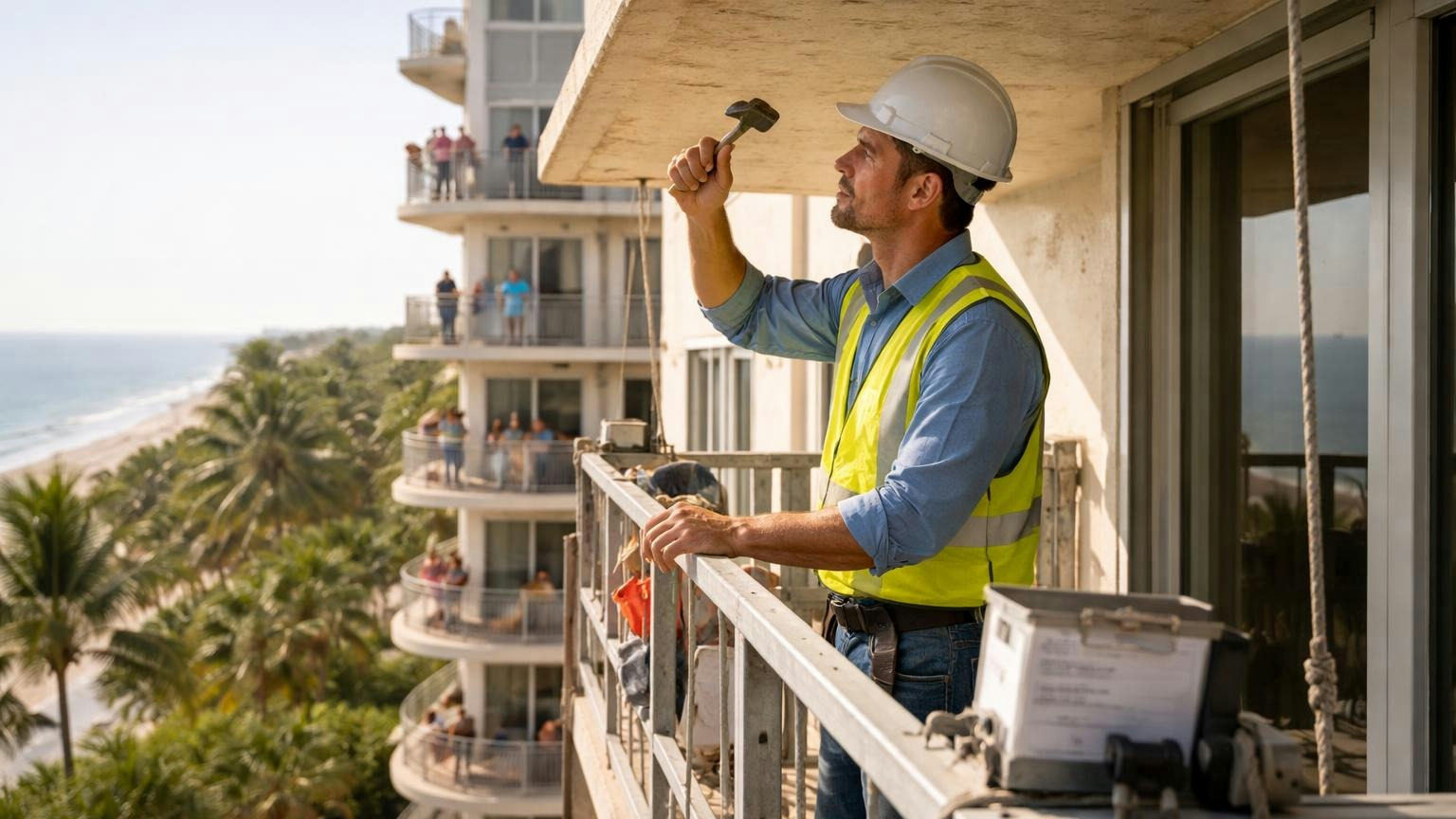
- Florida, for condominiums. Condominium buildings three habitable stories or higher must have a structural integrity reserve study, and for budgets adopted on or after December 31, 2024, unit owners in an association that must have one may not vote to fund less than it requires for the listed items, with narrow exceptions (Florida Statutes § 718.112(2)(f) and (g)). This applies to condominiums, not to Florida's single-family HOAs, but it shows the direction: the year an item comes due is becoming something a board must write down.
The ten-minute test: Does your community have the shape?
You do not need a reserve study to see whether your community is carrying the same three ingredients. Bring last year's budget and the minutes, and tick what is true.
- Our regular dues have not changed in three or more years.
- At least one big item (a roof, a road, a pool, a fence, a gate) has been repaired more than once without a decision about replacing it.
- We cannot say, for each big item, the year it is expected to come due.
- The money set aside for the next big item would not cover it if it came due this year.
- Our last reserve study is older than our state or our documents require, or we have never had one.
- Our budget shows no line for long-term repairs at all.
One tick is a conversation. Three or more is the shape.

The numbers to bring to the next meeting are simple: how many years dues have been flat, the next big item and its expected year, and how much is set aside for it today. Here is how they read together, as an example with made-up inputs and no cost growth assumed: a road expected to need $120,000 in four years, 100 homes, nothing set aside. If it arrives as a special assessment, that is $1,200 a home in one bill. Spread over the 48 months before it, it is $25 a home a month.
Same road. Same money. The only thing that changes is whether the owners saw it coming.
HOA Five-Year Plan: The Page Missing From Your Budget
The sentence: What to say at the meeting
If the test came back with three ticks, you do not need to win an argument at the next meeting. You need one sentence on the record:
"Before we adopt next year's budget, I'd like us to write down our big items, the year each one comes due, and what we have set aside for it, on one page."
That is not an accusation. Nobody on the board did anything wrong by holding dues flat or patching a roof. It is a request to look past the next meeting, which the research says many boards put off until a bill forces them to.

Frequently asked questions
Why do HOA special assessments happen?
Most come from a big repair or replacement that was known about but not saved for: the work was patched instead of fixed, dues were held flat, and the reserves were too small when the item came due. Some come from failures no one could have seen, which is why even a good plan reduces surprises rather than ending them.
Can an HOA raise dues a lot in one year?
It depends on your governing documents and your state. Many documents limit how much the board can raise dues without an owner vote, and state law may add its own rules. Read your declaration and bylaws, and ask your attorney before relying on a number.
Does my HOA have to do a reserve study?
Some states require one, including California (Civil Code § 5550), Virginia for property owners' associations (§ 55.1-1826) and Washington under its common interest ownership act (RCW 64.90.545). Elsewhere, your governing documents and your attorney decide. Even where none is required, a short list of big items and their years is a good start.
The free gift with this article, The Ten-Minute Dues Shock Test, turns the checklist above into a one-page worksheet your board can fill in before the budget meeting.