
The short answer
- Name one official channel where every notice from the board lives, and say so in writing. Anything the board did not post there is not from the board.
- Build a twelve-month calendar backward from the deadlines the law sets: in North Carolina, association meeting notices go out 10 to 60 days ahead, and a new budget's summary within 30 days of adoption.
- Give every kind of message one sender and a backup, written into the minutes. Emergencies go out by text, from one named sender.
Ten days. Sixty days. Thirty days. Forty-eight hours. January tenth.
Miss one of those dates and a Carolina HOA board may have to hold a meeting again, or find it cannot enforce a rule it already adopted.
They are the dates Carolina law hangs on what a board tells its owners. Ten to sixty days is the window for a North Carolina association meeting notice. Thirty days is how long a North Carolina board has to send owners a summary of the budget it just adopted. Forty-eight hours is South Carolina's notice before a budget increase, for associations not incorporated under its Nonprofit Corporation Act. January tenth is South Carolina's deadline for recording the rules a board adopted the year before.
The cost is rarely a lawsuit. More often it is a street full of neighbors who learned about the dues increase from a Facebook comment.
The fix is not more messages. It is a plan: one channel, one calendar, one sender per message. You can build it in an evening.
Rule one: Pick one official channel
A resident should be able to answer one question in ten seconds: "Is this really from the board?"
Pick a place the board controls: an association email address and list, a community website or portal, or both. Then write one sentence into the minutes: "Official notices from the board are sent from [address] and posted at [place]. Nothing else is official."
That sentence stops a neighbor's group post from passing for a board decision, tells the next secretary where to send, and lets the board answer "nobody told me" with the date it was posted.
Neighborhood Facebook groups and Nextdoor threads are not the official channel. They belong to whoever started them, the board cannot correct the record there, and not every owner is on them. Use them to point people back: "The notice is posted at the usual place."
North Carolina email notice Under the Planned Community Act, a meeting notice may be sent by email only to an address the owner has designated in writing (N.C.G.S. § 47F-3-108(a)). Every other owner gets it by hand or by prepaid U.S. mail. Keep the written designations in one file.
So a board that emails the annual meeting notice to everyone has given email notice only to the owners who asked for it in writing. Everyone else still needs a letter or a hand delivery. Keep two lists, email and paper, and count both before every meeting.
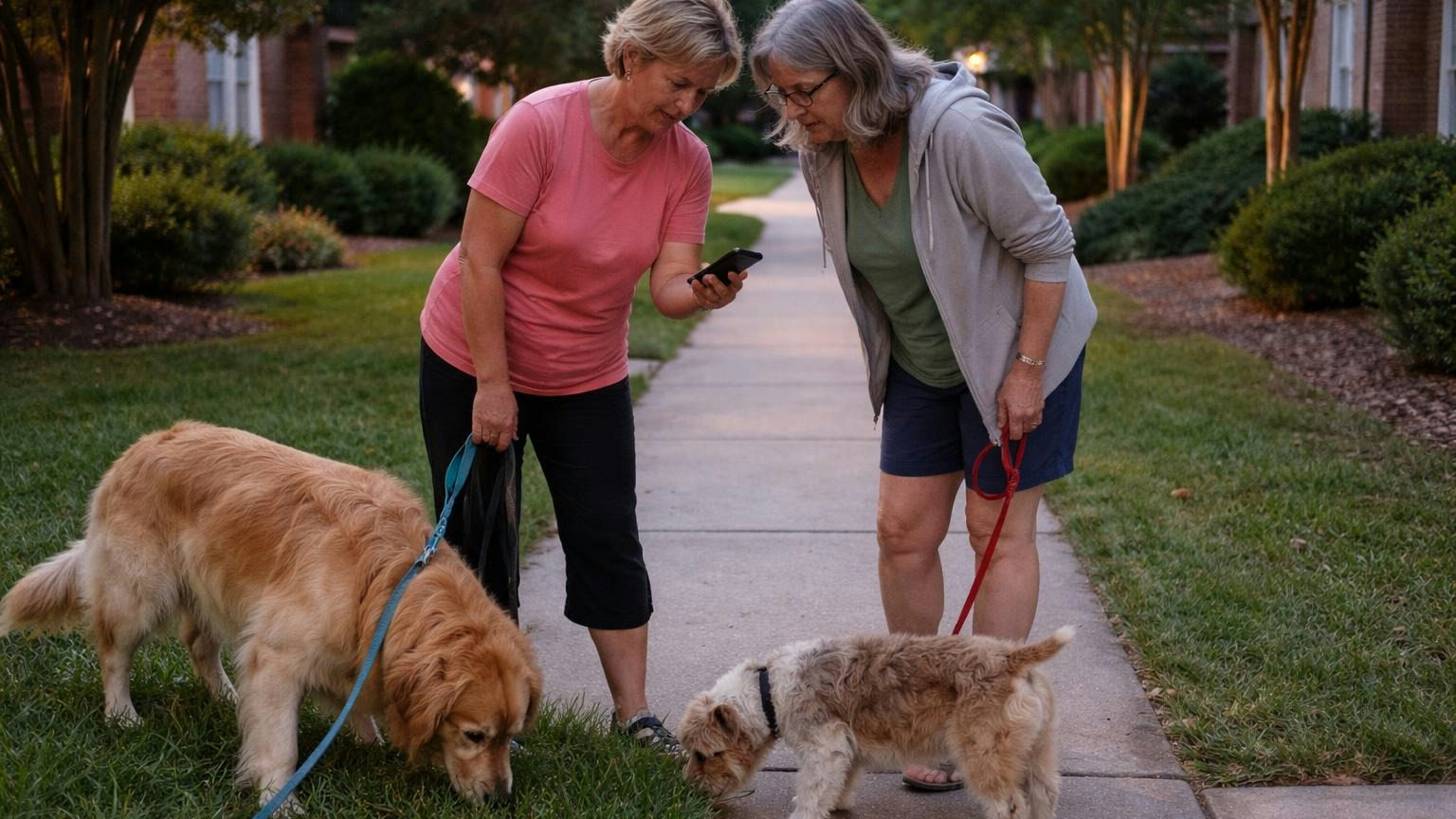
The calendar: Twelve months, built backward
Most of what a board sends comes around every year, in roughly the same month. Put it on one page, then work backward from each deadline to the day the message has to leave.
| What goes out | When | The deadline that sets it |
|---|---|---|
| Annual meeting notice (time, place, agenda) | 10 to 60 days before the meeting | N.C.G.S. § 47F-3-108(a) |
| Budget summary and notice of the ratification meeting | Within 30 days after the board adopts the proposed budget | N.C.G.S. § 47F-3-103(c) |
| Budget ratification meeting | 10 to 60 days after the summary is mailed | N.C.G.S. § 47F-3-103(c) |
| Dues and assessment notice | Before each due date | Your declaration and bylaws |
| Board meeting schedule for the year | January, and again when it changes | Your bylaws |
| Approved minutes | After the meeting that approves them | Your bylaws |
| New or amended rules | When adopted (SC: recorded by January 10 of the next year) | S.C. Code § 27-30-130(B)(2) |
Give each row two dates: the day it must reach owners, and the day the sender starts drafting. Letters get printed, stamped and mailed, so start two weeks early.
10 to 60 days before an association meeting is the window for sending owners notice of its time, place and agenda in a North Carolina planned community, including any proposed amendment, budget change or proposal to remove a director. — N.C.G.S. § 47F-3-108(a)
The budget rows matter most. In North Carolina, the ratification notice must say the budget may be ratified without a quorum, because there is no quorum requirement at that meeting. And the budget is ratified unless a majority of all the owners in the association (or a larger vote the declaration sets) rejects it (N.C.G.S. § 47F-3-103(c)). Say both in plain words in the letter. An owner who stays home because "it won't have a quorum anyway" has just let the budget pass.

The deadlines: What Carolina law actually sets
General information, not legal advice: your declaration, your bylaws and your association's attorney decide what applies to you.
North Carolina. The meetings section, § 47F-3-108, applies to planned communities created on or after January 1, 1999 (those with 20 or fewer lots are exempt unless their declaration opts in). It also reaches older communities, unless their articles of incorporation or declaration say otherwise (N.C.G.S. § 47F-1-102).
It requires an association meeting at least once a year. It also says the board must, at regular intervals, give owners an opportunity to attend part of a board meeting and speak about their concerns (§ 47F-3-108(b)). Put that comment time on the calendar too.
One catch for older communities: the budget rules in § 47F-3-103(c) are not on the list of sections that reach them, so a pre-1999 community that never opted into the Act should check its own documents for budget notice. The rest of the North Carolina picture is here:
What Does an HOA Board Actually Have to Do Legally in North Carolina?

South Carolina. The Homeowners Association Act sets two dates worth a row on the calendar. Before an association raises its annual budget, it must give owners 48 hours' notice of the meeting where the decision is made, posted in a common area, on the association's website, by email, or by a bylaw method that ensures actual notice (S.C. Code § 27-30-140). That section does not apply to associations incorporated under the Nonprofit Corporation Act. And rules and amendments must be recorded with the county by January 10 of the year after they are adopted to remain enforceable (§ 27-30-130(B)(2)).
If your South Carolina association is incorporated, its member meetings follow the Nonprofit Corporation Act. Notice must be fair and reasonable and consistent with your bylaws, and the Act counts it as fair and reasonable when it goes out no fewer than 10 days before the meeting (30 if mailed by anything other than first-class or registered mail) and no more than 60. A special meeting's notice has to describe the matter it is called for (S.C. Code § 33-31-705).
Emergencies: One text, one sender, one backup
A water main breaks at the entrance on a Saturday night. A storm drops a pine across the pool fence. These messages cannot wait for the calendar, and they go worst when three board members each send a different version.
Decide the emergency rules now, while nothing is broken.
- What counts. Anything that changes what a resident should do in the next 24 hours: a closed road or gate, a pool closure, a boil-water notice, storm cleanup.
- Who sends. One named board member, and one named backup for when they are away.
- How. A text first, then the same words on the official channel.
- What it says. What happened, what to do, when the next update comes.
Why a text first? FEMA's family emergency plan puts it plainly:
If you are using a mobile phone, a text message may get through when a phone call will not. — FEMA, Family Emergency Communication Plan
Collect cell numbers once, with each owner's permission, and keep that list separate from the newsletter list. Leave the public warnings to your county's alert system; the HOA's message is for what only the HOA knows.

Who sends what: One name per message
Most communication breaks down on one unasked question: whose job is this one? North Carolina already answers it for meeting notices: the statute makes the secretary, or another officer the bylaws name, responsible for sending them (N.C.G.S. § 47F-3-108(a)). Name the rest the same way.
One owner for each kind of message, plus a backup.
- Secretary: Meeting notices, agendas, approved minutes
- Treasurer: Dues notices, the budget summary
- President: Emergencies and statements for the board
- Backup: Any of the above when its owner is away
Send from the association's own address, never a board member's personal inbox. When that person leaves, the sent folder, the replies and the written email designations must stay with the community. If you have not checked who holds those records, start here:
Who Owns Your HOA's Records? The Walk-Away Test
Then the secretary moves it at the next meeting:
"I move that we adopt this communication plan: one official channel, this calendar, and these senders, starting with the annual meeting notice."
The next board inherits a page, not a habit that left with someone.

Frequently asked questions
What should be in an HOA resident communication plan? Four things: the one official channel, a twelve-month calendar of what goes out and when (built from your state's notice deadlines and your bylaws), a sender and backup for each kind of message, and an emergency rule that says what counts, who texts and what the message says.
Can an HOA send meeting notices by email? In North Carolina, yes, but only to owners who have designated an email address in writing (N.C.G.S. § 47F-3-108(a)); everyone else gets the notice by hand or prepaid mail. In South Carolina, an unincorporated association's 48-hour budget-meeting notice may go by email (S.C. Code § 27-30-140); for other meetings, check your bylaws and, if you are incorporated, the Nonprofit Corporation Act's notice rules.
Should our HOA Facebook group be the official channel? No. A neighbor usually owns the group, the board cannot correct the record there, and not every owner is on it. Make the association's own email and website official, and use the group only to point people back to them.
The bottom line: One page, every year
Owners do not need more messages from the board. They need to know where to look, when to expect them, and who sends them. Pick the channel, fill in the calendar, name the senders, and adopt it at the next meeting.
The free Resident Communication Calendar puts the twelve months, the deadlines, the senders and the emergency rule on one page, ready to fill in tonight.