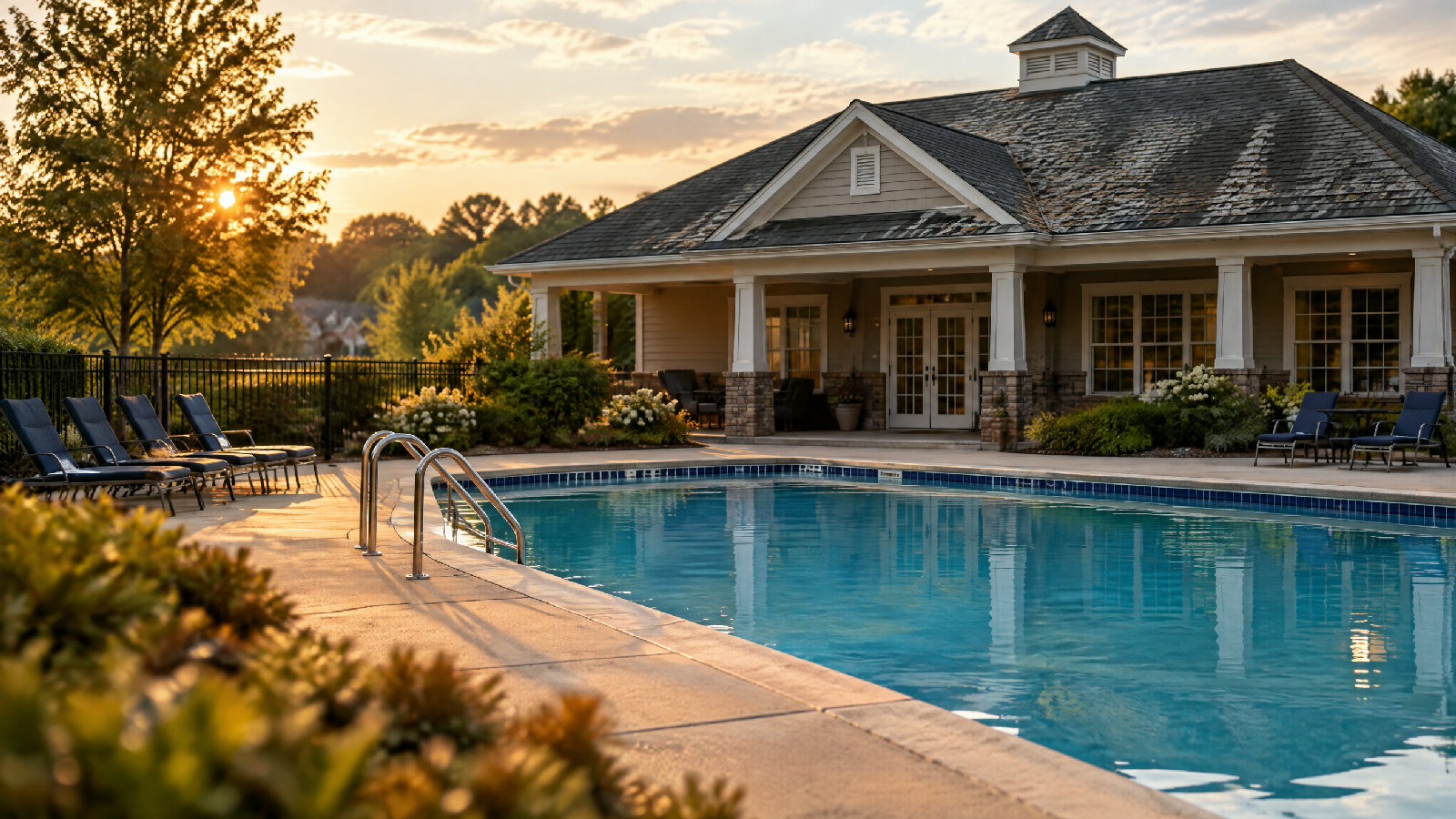
A treasurer stands up at the annual meeting and reports the reserve account holds $85,000. A few people nod — that sounds like real money. Nobody asks the question that actually matters: $85,000 against what? If the roof, the pool deck, the parking lot, and the siding are due for replacement over the next fifteen years at a combined cost of $400,000, that "healthy-sounding" $85,000 balance is a reserve fund that's roughly 21% funded — deep in the zone reserve professionals call underfunded, no matter how good the number sounded out loud.
This is the gap the seven numbers every HOA board should see monthly named but didn't unpack: reserve balance and reserve funded percentage are two different numbers, and only one of them tells a board anything about risk. Almost every board can find the first. Almost none can produce the second without digging — which is exactly why it's worth a piece of its own.

Percent funded is a ratio, not a balance
Community Associations Institute's national reserve study standards define percent funded as the ratio, at a given point in time, of the actual reserve balance to the fully funded balance — what the association would ideally have set aside today based on how far each major component (roof, pavement, pool, siding, elevators, whatever the reserve study covers) has depreciated toward the end of its useful life.
The formula is simple once you have both numbers:
Percent Funded = (Current Reserve Balance ÷ Fully Funded Balance) × 100
The fully funded balance isn't a guess — it comes from a reserve study, which catalogs every major component, its replacement cost, its useful life, and how much of that life is already used up. A component that's 60% through a 20-year life should, in theory, have about 60% of its replacement cost already set aside. Add that up across every component and you get the fully funded balance — the denominator that turns a raw dollar figure into a percentage that actually means something.
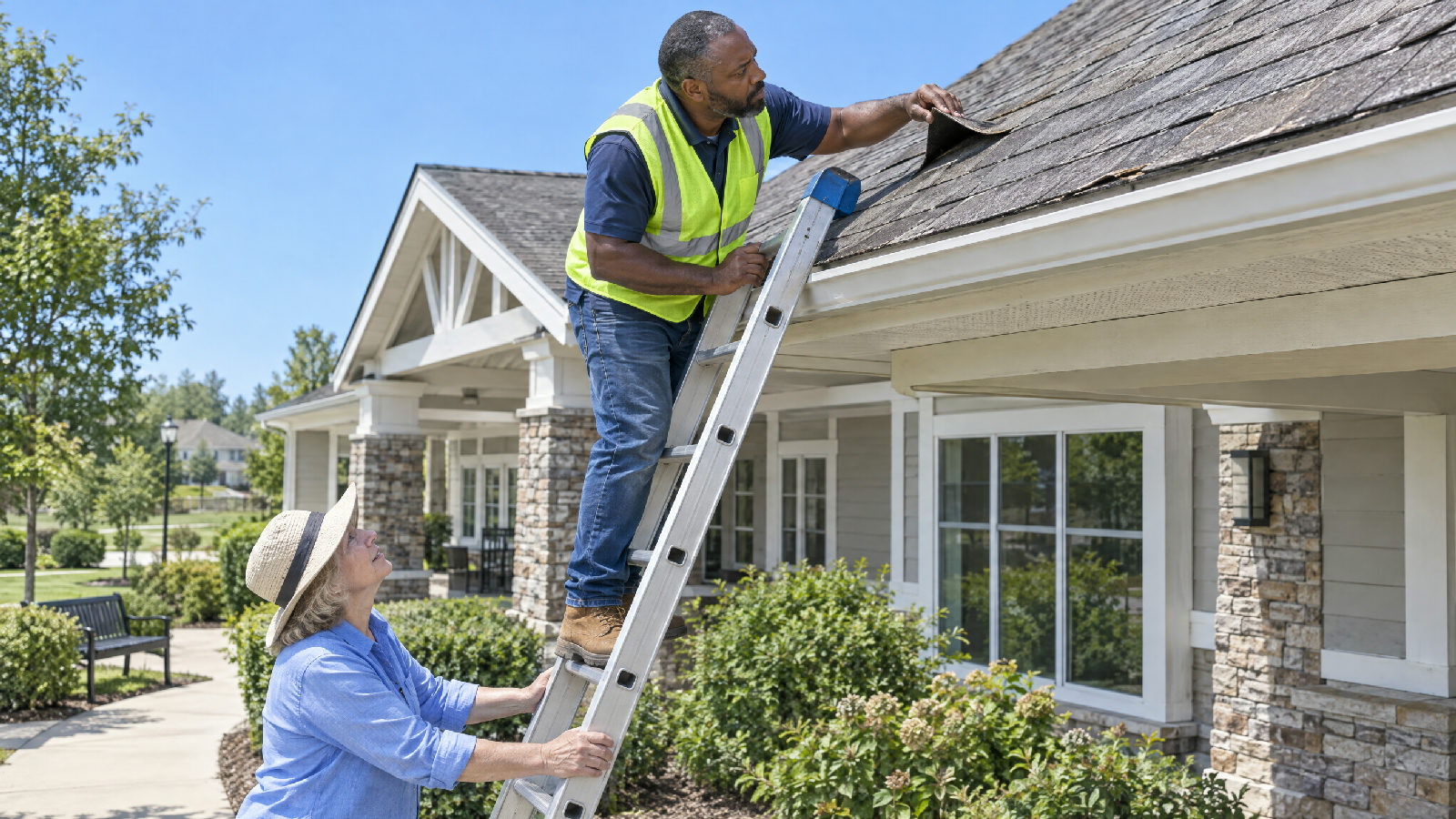
The three zones — and where most associations actually sit
Reserve professionals and CAI-aligned guidance generally group percent-funded into three bands:
- 70–100% funded — strong. The association is keeping pace with what its own components will cost as they wear out. Special-assessment risk is low.
- 30–70% funded — fair, moderate risk. The board isn't in crisis, but it's behind pace. This is the range where a board should be actively raising contributions or revising project timing, not waiting for a bill to force the decision.
- Below 30% funded — weak, elevated risk. The gap between what's saved and what's owed is large enough that a major repair is likely to require a special assessment, a loan, or a deferred repair — and deferred repairs tend to get more expensive, not less, the longer they wait.
Association Reserves — a reserve-study firm, so treat its own client data as a large sample of the industry rather than a government census — publishes an annual Industry Insights Report. Its April 2026 edition put 25.7% of client associations in the strong band (70%+ funded), 40.3% in the fair band (30–70%), and 34% in the weak band (under 30%). A separate underfunding analysis the firm ran in November 2025, across more than 100,000 reserve studies it prepared between 1986 and 2025, found 74% of associations funded below the 70% threshold — the highest underfunding rate the firm says it has recorded. Different snapshot, same shape: most associations are behind, and the gap is common enough that a board that discovers its own number is under 70% isn't an outlier. It's the majority.
What happens when the gap gets discovered the hard way
Underfunded reserves don't stay invisible forever — they surface the moment a major repair can't wait. Speaking to WTOP in March 2026 about the pattern nationally, FirstService Residential CEO David Diestel described what that moment looks like for new owners walking into a community with a reserve gap already baked in: "People are getting payment shocks when they move in, and in three months, the assessment doubles or they get hit with a special assessment."

A vendor-published survey — HOA Start's State of HOA Reserves in 2026 report, worth naming as an interested party the same way this site flags every vendor-sourced stat — found 30% of surveyed associations had issued a special assessment in the last five years, and another 35% expected one in the next five. Read that as directional, not gospel, given the source. But it lines up with the plainer math: a reserve fund that's 34% likely to be in the weak band, per Association Reserves' own client data, is a reserve fund where "we might need an assessment" isn't a hypothetical for most boards — it's a when, not an if, until the percent-funded number starts moving toward 70.
74% of associations were funded below the 70% threshold across more than 100,000 reserve studies Association Reserves prepared between 1986 and 2025 — the highest underfunding rate the firm says it has recorded. — Association Reserves, underfunding analysis, November 2025
Why a decent-looking balance can still fail the test
The trap isn't ignorance — it's that a dollar balance feels like information, so boards stop looking further. $85,000 sounds like a healthy cushion until it's measured against $400,000 in coming replacement costs. A community half that size, with a $40,000 reserve balance against
20,000 in coming costs, is actually funded at a healthier 33% — fair band, not strong, but meaningfully ahead of the first example, even with a smaller-sounding number in the bank. The dollar figure alone can't tell you which board is in better shape. Only the ratio can.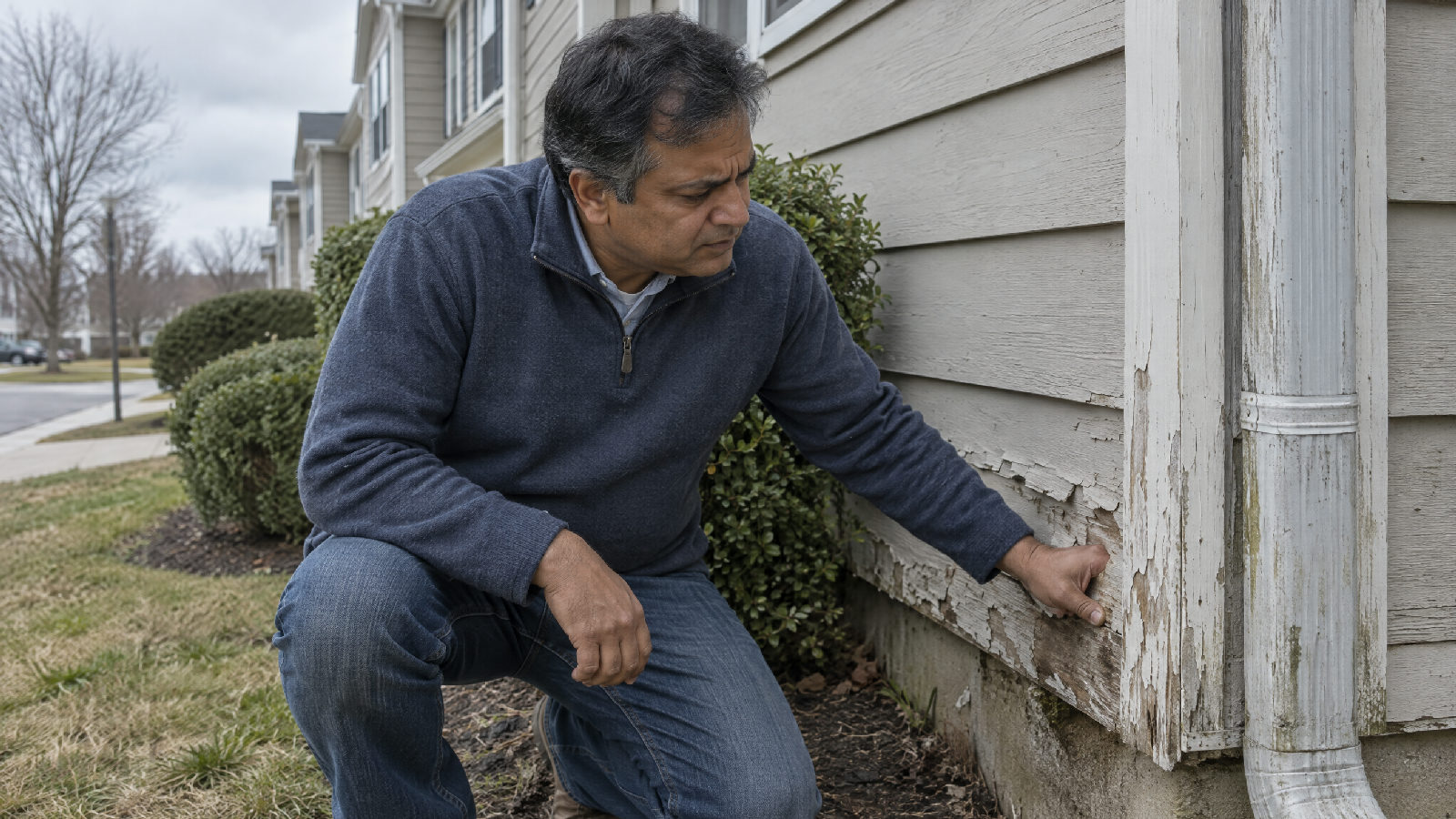
This is the same instrumentation problem the seven-numbers piece named: a payment portal or a bank login will show a balance every time you ask. Almost nothing a self-managed board already has on hand will show percent funded — because that number requires a second figure (the fully funded balance) that lives in a reserve study PDF, not a checking account.
How to get your own number
- Find your reserve study. If your association had one prepared in the last few years, it should already list the fully funded balance, or the component-by-component figures needed to calculate it.
- Pull your current reserve account balance — the actual cash and investments sitting in the reserve account today, separate from the operating account.
- Divide and multiply: current balance ÷ fully funded balance × 100.
- Place it in a band: 70%+ is strong, 30–70% is fair, under 30% is weak — per the CAI-aligned thresholds above.
- No reserve study on file? A rough version is still better than guessing — see the worksheet below.
None of this requires a finance background. It requires having both numbers in the same place at the same time, which is the part almost no self-managed board's current toolkit does automatically.

Where this fits the bigger picture
Reserve funded percentage is one of the seven numbers a board should be able to produce every month — not a once-a-year reserve-study exercise, but a live figure that moves as the balance grows and as components age another month closer to replacement. Boards that only revisit it when a new reserve study lands every three to five years are, in effect, flying with a gauge that only updates every few years while the plane keeps moving the whole time.
That's the same instrumentation gap this site keeps coming back to: self-management is not amateur management when the board has a system that keeps the numbers current, not a PDF that goes stale the day it's filed. RebelHOA builds the reserve line into Rebel Bookz's live ledger rather than leaving it as a static report, so the percent-funded figure is something the whole board can check in a minute — not something that requires cross-referencing a three-year-old study against a bank statement by hand.
The dollar figure alone can't tell you which board is in better shape. Only the ratio can.
Two questions boards ask about this
What percentage should an HOA reserve fund be funded at? The widely used threshold is 70% or higher — the band reserve professionals and CAI-aligned standards describe as "strong," where special-assessment risk is low. Between 30–70% is a moderate-risk "fair" zone where a board should actively be raising contributions or adjusting project timing. Below 30% is considered weak, with elevated risk of a special assessment when a major component fails or reaches end of life.
Is a large reserve balance the same as a well-funded reserve? No. A reserve balance is a dollar amount; percent funded is that amount measured against what the association's own components will cost to replace as they age. A community with a larger-sounding balance can still be less funded, proportionally, than a smaller community whose balance is closer to what it actually owes its future self. The balance alone can't answer the question — only the ratio, calculated against a real reserve study, can.
Find out where your reserve actually stands
Most boards have never run this calculation, not because it's hard, but because nobody ever handed them both numbers side by side. We built the Reserve Percent-Funded Worksheet to fix that — a one-page, fill-in-the-blank tool that walks a board through estimating its own fully funded balance and percent-funded figure, even without a current reserve study on file. It's free.
If your number comes back in the fair or weak band, see how the white-glove trial works — the founder sets it up personally, and the board's only job is to show up to one call.
How to Run Your HOA Board's Monthly Financial Review (In Under 20 Minutes)