The short answer
- A volunteer HOA board keeps good records by capturing them at the moment the work happens, not by rebuilding them later: the invoice and a second approver the day a bill is paid, the motion with its count before the meeting ends, a second sign-off on the bank statement, and a one-page note to owners after each meeting.
- It is the same work in a different order, so it costs minutes, not evenings.
- The rules differ by state. Florida and California spell some of them out; elsewhere your documents and your attorney decide.
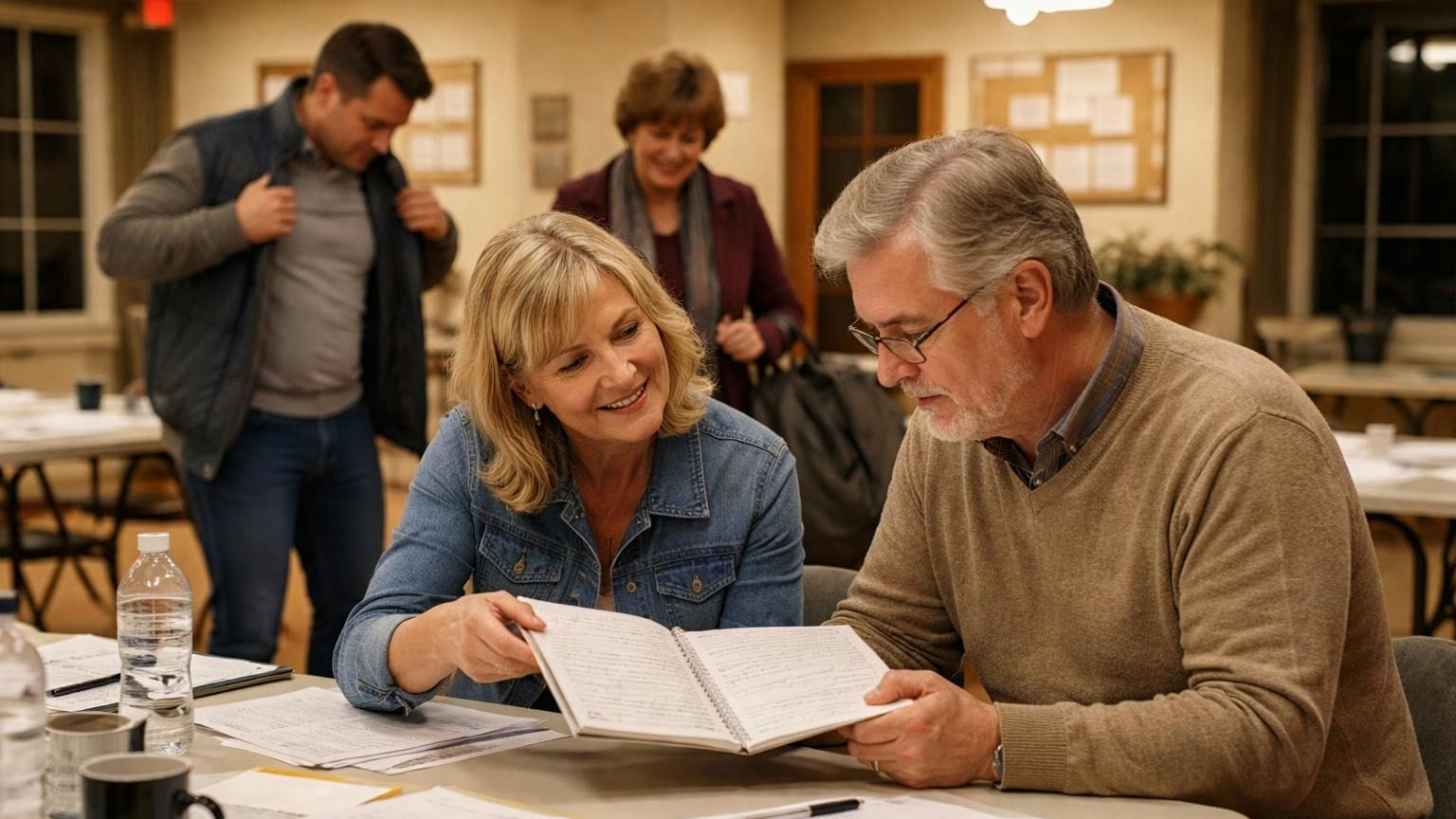
The minutes get written the following Sunday, from memory, and by then nobody remembers who seconded what. In Florida, "motion carried" is not enough on its own: the statute says each director's vote or abstention on each matter, for every director present, "must be recorded in the minutes" (Fla. Stat. 720.303(3)).
Plenty of volunteer secretaries have never read that sentence. And that Sunday rewrite is the real reason record keeping feels like a second job. The work is not the problem. The timing is. A record written at the moment takes a minute. The same record rebuilt three weeks later, when an owner asks, takes an evening and still has holes in it.
So here is a month run in a different order. Four moments, each with one habit, and the paper trail exists before anyone asks for it.
Moment one: The day a bill arrives
When an invoice lands, three things happen in the same sitting:
- Save the invoice where the payment will be recorded, named the same way every time (month, vendor, amount).
- Get a yes from a second board member before the money moves, in writing: a reply to the email is enough. The person who approves is not the person who pays.
- Note the budget line it comes from. One word ("landscaping") turns a payment into an answer.

Florida already expects the result: "accurate, itemized, and detailed records of all receipts and expenditures," kept for at least seven years (Fla. Stat. 720.303(4)(a)10.a). California adds a rule for moving money between accounts: a transfer from the operating or reserve accounts needs prior written board approval unless it is less than the lesser of $5,000 or 5% of the budget's estimated income for 50 or fewer separate interests (homes), or $10,000 or 5% for 51 or more (Cal. Civ. Code 5502).
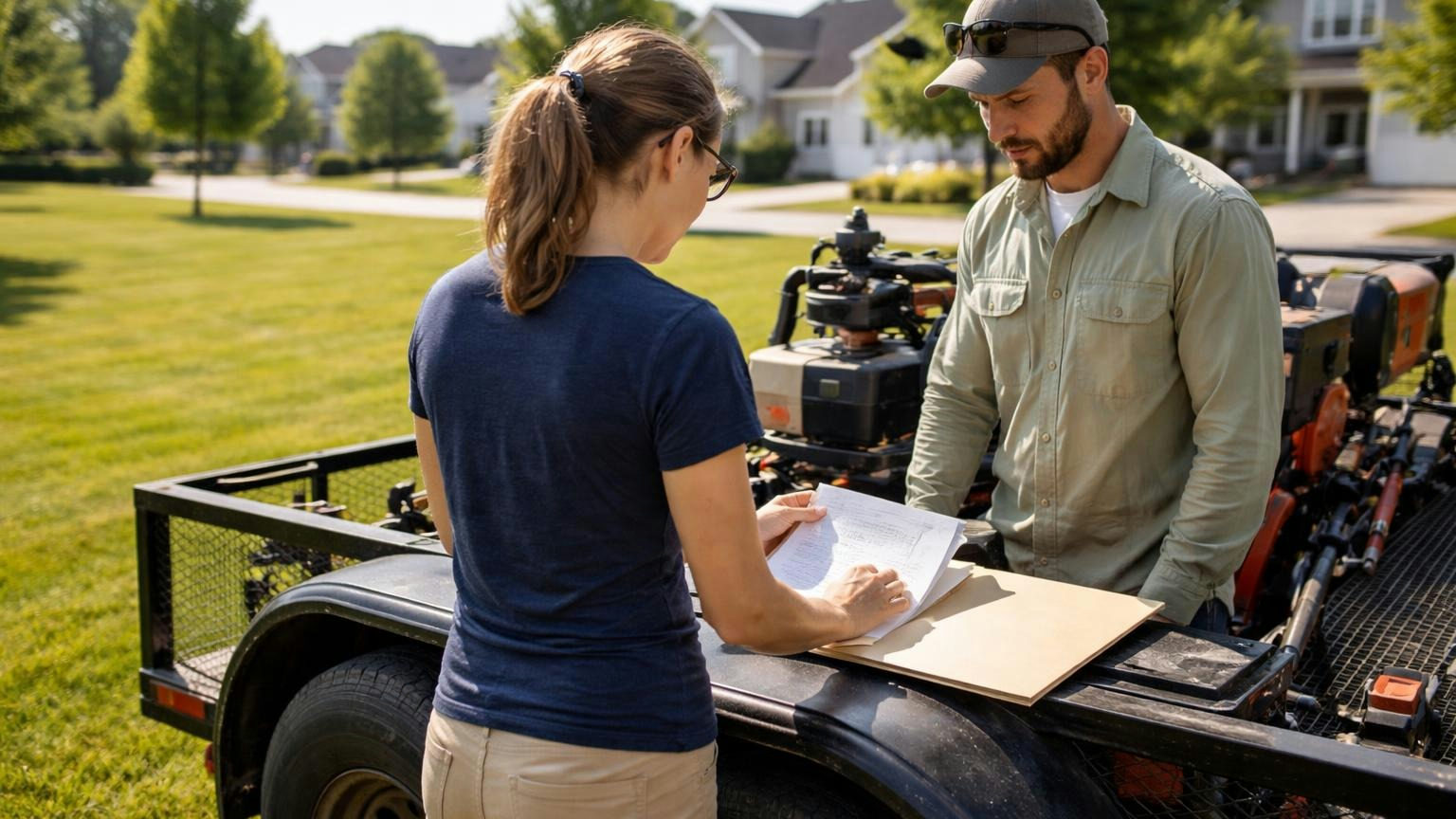
The trap is the treasurer who pays first and files "later." Later is the night someone asks.
Moment two: The night of the vote
Before the meeting moves on, the secretary reads the motion back in one breath: what was decided, who moved it, who seconded it, and the count.
Every director present gets a vote or abstention recorded on each matter voted on, in a Florida HOA's minutes. — Fla. Stat. 720.303(3)
Write it like this, at the table:
- Motion: Approve the pond aeration contract at the bid amount, paid from the operating budget.
- Moved / seconded: two names.
- Vote: each director's yes, no or abstain, by name where your state or documents require it.
Reading it aloud does two jobs. The board hears exactly what it decided, so nobody leaves with a different version. And the hardest part of the minutes is finished before anyone stands up.
Moment three: The day the statement comes
The bank's own statement goes to someone who did not write the treasurer's report. They read it beside the report, and sign or initial it with the date. Picture the vice president at the kitchen table, the statement on the left, the report on the right, running a finger down both columns until the ending balances agree.
California lists six things a board reviews every month, unless the governing documents set stricter standards (Cal. Civ. Code 5500):
- a current reconciliation of the operating accounts;
- a current reconciliation of the reserve accounts;
- actual revenue and expenses against the budget;
- the latest statements from the banks holding those accounts;
- an income and expense statement;
- the check register, general ledger and delinquent assessment reports.
California also requires two signatures to withdraw reserve money (Cal. Civ. Code 5510).
This is a ten-minute job, not a project. The point here is when it happens: the week the statement arrives, not the week before the annual meeting.
Moment four: Three days after the meeting
Send owners one page. Not the minutes: a note in plain words with three parts.
- What we decided: each motion in a sentence, with the count.
- What we spent: the month's largest payments and what each was for.
- What is still open: the repairs, requests and questions the board is carrying.
California requires the minutes, draft minutes or a summary of them, for any board meeting other than an executive session, to be available to members within 30 days (Cal. Civ. Code 4950). The one-pager does not replace the minutes. It gets the same facts to owners sooner, in any state, and it answers most questions before they become emails.

Good records do not come from a board that works harder. They come from a board that writes things down while they are still true.
The month on one page
The same work, in the order that leaves a record behind.
- Bill arrives: Save it, second yes, budget line
- Meeting night: Read the motion back with the count
- Statement day: A second person reads and initials it
- Three days later: One page to owners
- Month end: Five largest payments checked
That last step is the check. Once a month, pull the five largest payments and ask of each: are the approver, the invoice, the decision and the bank line all there? If one is missing, fix that one habit, not the whole system.
HOA Board Transparency: 7 Things to Show Owners Tonight

Start here: The five-line check
Tick what is already true for last month. Start with the box you cannot tick; for many boards it is the vote count or the second yes.
- Every payment last month has an invoice saved where it was recorded.
- Every payment had a written yes from someone other than the person who paid it.
- Every motion in the last minutes names its mover, seconder and count.
- Someone other than the treasurer read last month's bank statement.
- Owners got a one-page note after the last meeting.
Frequently asked questions
Does our board have to record every director's vote by name?
In Florida, yes: each director's vote or abstention on each matter must be recorded in the minutes (Fla. Stat. 720.303(3)). Elsewhere, check your state's statute and your bylaws; recording the count is a good habit either way.
How long do we keep these records?
Florida requires official records, including minutes and financial records, to be kept for at least seven years unless the documents require longer (Fla. Stat. 720.303(4)(a)). Other states set their own periods; your documents and your attorney decide.
Is an email reply enough as the second approval?
It is a written, dated record of who said yes, which is the point. Your bylaws or your bank may require more for certain payments, and California requires two signatures to withdraw reserve funds (Cal. Civ. Code 5510).
Bottom line
Pick next month's five largest payments and the next motion you pass, and capture both at the moment they happen. If the record is complete at the end of the month, you have the routine. If one line is missing, that is the habit to fix first.
Not legal advice. Statutes are quoted as read at their source on October 23, 2026.