
The short answer
- HOA owners keep asking the board the same questions because the answers live in a volunteer's inbox, not anywhere an owner can look.
- The same five questions come up again and again: what do I owe, did you get my payment, where is my request, when is the vote, and why wasn't I told.
- Spend 15 minutes at the next meeting listing this month's questions and marking which ones a posted page could have answered. The question that shows up most is the board's next job.
It is 7:12 on a Tuesday night. Dinner is on the table, and the phone lights up beside your plate: "Hey, sorry to bother you, quick question. Did you get my October payment?"
You did. Probably. You will check after dinner, in the bank login only you and the treasurer can open. Then you will answer, and tomorrow a different neighbor will ask you the same thing.
Nobody here is doing anything wrong. The neighbor asked because there was nowhere to look. You answered because you hold the login. But a board that answers owners one text at a time has quietly become the community's help desk, and a help desk staffed by one volunteer at dinner is not a courtesy problem. It is a governing problem.
Below: the five questions behind most of those texts, what each costs the person who answers it, and a 15-minute exercise that tells your board which to fix first.

The pattern: Five questions, over and over
Read a month of a board member's texts and emails from owners and the subjects repeat. The wording changes; the question does not. Most of it sorts into five piles:
- What do I owe?
- Did you get my payment?
- Where is my request?
- When is the vote?
- Why wasn't I told?
Each one has an answer that already exists somewhere: a ledger, a bank statement, a request someone wrote down, a meeting date in the minutes. The problem is where the answer lives. If an owner cannot see it, the only way to get it is to ask a person.
Question one: What do I owe?
The treasurer opens the books, finds the owner, adds up dues, late fees and any special assessment, and types a number into a text message.
That number is now a record nobody else can see. If it is off by one late fee, the board has two versions of the same balance: the one in the books and the one in a neighbor's phone.
The answer already exists. Florida's HOA law requires an association to keep "a current account and a periodic statement of the account for each member," showing each assessment, each payment and the balance due (Fla. Stat. § 720.303(4)(a)10.b.). Any board that bills dues keeps some version of that ledger. A statement the owner can open is the same number with no typing, no interrupted dinner and no second version.
Question two: Did you get my payment?
The owner paid. Now they want to know it landed. So someone logs into the bank, scrolls deposits, matches a check number or a name, and writes back.
It looks like a two-minute question. For the volunteer it is two jobs: find the deposit, then remember to reply. When the reply is slow, the owner has no way to tell "not yet checked" from "not received", so they ask again. A receipt, or a recorded payment the owner can see, answers it before it is asked.

Question three: Where is my request?
A streetlight is out. A tree limb hangs over the sidewalk. Someone asked to paint their shutters. They told a board member three weeks ago and have heard nothing since.
Usually the request is moving. A vendor was called, or the architectural committee meets next week. But the owner cannot see any of that, so from where they stand nothing happened. Every "just checking in" message is a request asking for its own status.
The cost lands twice: the volunteer stops to look it up, and when the person who took the request is away, nobody else knows where it stands. That is when a small request becomes a complaint about the board.
Question four: When is the vote?
Owners want to know when the dues vote or the election happens, how to vote, and whether they can vote without coming to the meeting.
The date is in the minutes or the notice, but every owner who missed that one envelope has to ask on their own.
How notice has to be given is set by your state's law and your governing documents; your documents and your attorney decide that. The point here is simpler: the date, the question on the ballot and how to cast a vote should sit somewhere an owner can find without texting a volunteer.
Question five: Why wasn't I told?
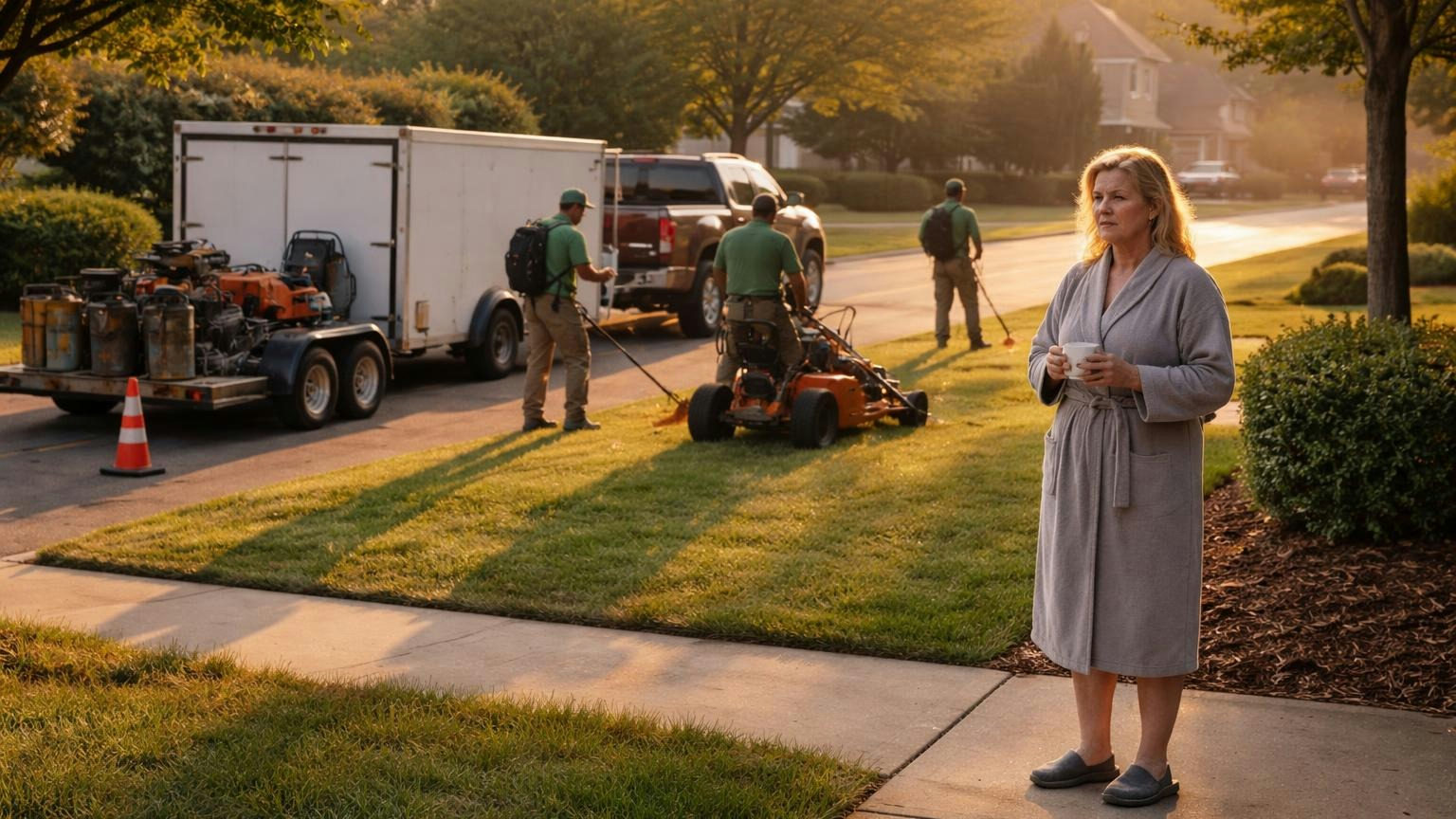
This is the question that hurts, because it arrives after something already happened: a dues increase, a fine, a contractor in the common area at 7 AM.
There's no communication. — A homeowner, to a local TV station, October 20, 2026, after a sharp rise in their neighborhood fees
That owner was describing a large increase in their own community, and the details are theirs. But every board hears that sentence in some form, and it is rarely about whether the board sent a message. It is about whether the owner could find the answer when they went looking.
"Why wasn't I told" is what the first four questions become when they go unanswered long enough.
The cost: Why this is a governing problem
Run the numbers on your own community. Here is a worked example, not a measurement: a 120-home community where each home sends one of these questions every three months. That is 40 questions a month. At 10 minutes each to look up and answer, it is nearly seven hours a month, usually landing on one or two people.
Seven hours is the visible part. The governing costs are bigger:
- The answers are not a record. A balance in a text, a "yes, we got it" in a direct message, a promise that the tree will be trimmed: none of it is in the books or the minutes.
- Owners get different answers. Two directors, two texts, two versions of the same fact.
- The knowledge leaves with the volunteer. When the one person who knew every answer steps down, the next board starts without it.
Why your HOA board restarts from zero every time someone quits
Worth knowing Since January 1, 2025, Florida has required associations with 100 or more parcels to post their governing documents, budget and financial reports on a website or app, and to give an owner a login on written request (Fla. Stat. § 720.303(4)(b)1. and 3.). Rules elsewhere differ; check yours.
The exercise: 15 minutes at the next meeting
You do not need software, a vendor or a new policy to start. You need one agenda item and the messages already sitting in your phones.
Fifteen minutes, one agenda item.
- Pull: Each director scrolls back one month of texts and emails from owners and writes each question on its own line.
- Sort: Put each line under one of the five questions, or under "other".
- Mark: Next to each, answer one thing: could a page the owner can open have answered this?
- Count: The pile with the most "yes" marks is the board's next job.
- Assign: One director, one date, and one place where that answer will live.

When most of the lines get a "yes", the lesson is plain: the questions were never the problem. The missing page was.
For the pile you pick, the page needs only a few things:
- Each owner can see their own balance and what it is made of.
- Each owner can see a payment once the board has recorded it.
- Each open request shows where it stands and who has it.
- The next vote shows its date, its question and how to cast a vote.
- A decision that changes what owners pay or may do shows the reason beside it.
Start with one box: your board's most common question, answered once where everyone can see it, gives back the most evenings for the least work.
What changes: The board goes back to deciding
Putting answers where owners can see them will not end every dispute, and it should not replace a neighbor talking to a neighbor. Some questions deserve a person. What it ends is the question that only needed a number, a date or a status.
When those stop arriving at dinner, the volunteer's evenings come back, and the board's time goes to the work only a board can do: the budget, the contracts, the rules, the next five years.

Frequently asked questions
Why do HOA residents keep texting the board the same questions? Because the answers live with one or two volunteers, in a ledger, a bank login or someone's memory, instead of somewhere an owner can look. Most of them fall into five questions: what do I owe, did you get my payment, where is my request, when is the vote, and why wasn't I told.
Do HOA board members have to answer owners' texts? What the association owes owners, and how, is for your governing documents and your attorney to decide. State law can set rules for owners' access to records; Florida, for example, gives the association 10 business days to make official records available after a written request (Fla. Stat. § 720.303(5)(a)).
Is answering owners one at a time a bad thing? Not for questions that need a conversation. For questions that only need a balance, a payment status or a date, one-at-a-time answers leave no record, can disagree with each other, and leave with the volunteer who gave them.
What is the fastest way to cut down owner questions? List one month of questions, sort them into the five types, and fix the most common one first by putting its answer where every owner can see it.