The short answer
- Every month, an HOA board should check the bank reconciliation against the bank's own statement: the balances match, every uncleared check and deposit is recognized and recent, the check register has no gaps or unknown payees, and every reserve transfer was approved first.
- The treasurer's report is not the bank's statement. California's HOA law lists the reconciliation and the bank's own statement as separate monthly reviews, for a reason: one is a page no volunteer typed.
- The check takes ten minutes. One board member who is not the treasurer pulls the statement, matches five things, and the minutes record it.
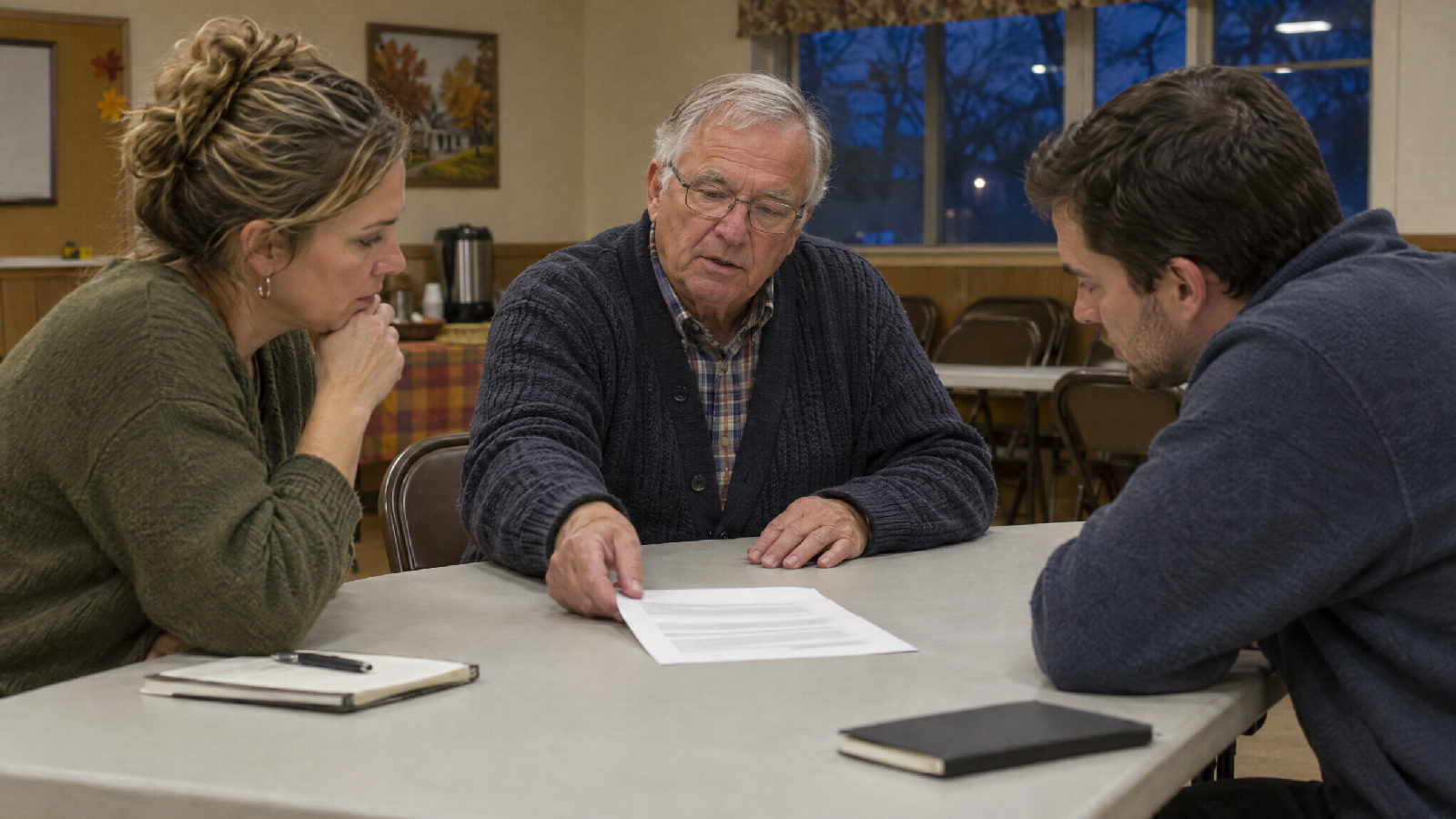
The treasurer stands up at the October meeting and reads it out: operating account, $48,212. Reserve account, $131,900. Nobody at that table has seen the bank's statement.
Somebody says "great, thanks." The board moves on to the pool. What they heard was a number typed by one volunteer, from a spreadsheet the same volunteer keeps.
Most treasurers are careful volunteers. The fix is not distrust; it is ten minutes a month from one other board member.
The law: The bank statement is its own item
California's HOA law, the Davis-Stirling Act, spells out what a board must review every month. It lists the reconciliations and the bank's own statements as separate items.
What a California HOA board must review every month (Civil Code § 5500).
- Operating: A current reconciliation of the operating accounts.
- Reserve: A current reconciliation of the reserve accounts.
- Budget: The year's actual operating revenue and expenses against the budget.
- Bank: The latest statements prepared by the bank.
- Ledgers: An income and expense statement, the check register, the monthly general ledger and the delinquent assessment reports.
Item four is the easiest one to skip. The law does not say "the treasurer's summary of the bank statement." It says the statements "prepared by the financial institutions." The point is a page that no volunteer typed.
The same law lets the board do this outside a meeting. Under § 5501, every board member, or the treasurer plus at least one other board member, can review the documents on their own, as long as the next meeting ratifies the review and the minutes say so.
Your state may not spell this out. Your governing documents may. Either way it is a sound habit: one person keeps the books, and a second person checks them against the bank. This is general information, not legal advice; your governing documents and your association's attorney decide what applies to you.
The words: What a reconciliation actually is
The bank's balance and the books' balance are almost never the same on the last day of the month. A check the HOA mailed to the landscaper on the 29th is in the books but has not cleared the bank. A dues payment that posted on the 31st may not show in the books until the treasurer enters it.
A reconciliation is the page that explains the gap.
A worked example · illustrative numbers
$0.00 difference
- $50,118.40 ending balance on the bank's statement
- −$2,106.00 two checks written but not yet cashed
- +$200.00 one deposit made on the 31st, not yet on the statement
- $48,212.40 what the books say, and what the treasurer reported
When the last line matches the books, the account is reconciled. When it does not, something is missing, entered twice, or wrong. Every one of those is worth knowing in October rather than at the annual audit.

The check: Five things, ten minutes
Pick one board member who is not the treasurer and who does not sign checks alone. Give them read-only online access to every HOA account, so the statement comes straight from the bank. In California, that reviewer and the treasurer together are the two-person review § 5501 allows outside a meeting, once the next meeting ratifies it. Then, each month:
The ten-minute check, in order.
- Ending balance: The statement's ending balance matches the reconciliation's starting line.
- In transit: Every uncashed check and late deposit is one you recognize.
- Old items: Nothing has sat uncleared for months.
- The register: No gaps in check numbers, no payee nobody knows.
- Reserves: Every reserve move was approved first.
Step one is the whole game. If the balance on the bank's page and the first line of the reconciliation differ, stop there and ask why.
Steps two and three find the slow problems. A check that never clears may have been lost, voided without a note, or never mailed. A deposit that sits on the list month after month may never have reached the bank.
Step four finds the fast ones. Skipped check numbers and an unfamiliar payee are the two things worth asking about every single time.
Step five protects the reserves. In California, a transfer from the reserve or operating accounts needs the board's prior written approval unless it is less than a set amount: the lesser of $10,000 or 5% of the estimated income in the annual operating budget, or for a community of 50 or fewer homes, the lesser of $5,000 or 5% (§ 5502). Withdrawing from the reserve account takes two signatures, from two directors or a director and an officer (§ 5510).
Worth knowing No online access for the reviewer? Ask the bank to send a duplicate statement to their address. The point is the same: a copy that comes straight from the bank.
The record: Write down that it happened
A review nobody wrote down looks the same, a year later, as a review that never happened.
Add one line to every meeting's minutes: which accounts were reviewed, through which date, by whom, and whether the bank's statements matched. If a question came up, write down the question and the answer. A line you can paste:
"The operating and reserve accounts were reviewed against the bank's statements through [date] by [name] and [name]. Balances matched. Questions raised: [none, or the question and its answer]."
That line does two jobs. It tells the next treasurer where to start, because a month that is reconciled and recorded is the clean place any change begins, whether that is a new volunteer, a new bank or a new system. And it shows any owner who asks that the board looked.

Seven Numbers Every HOA Board Should See Monthly
Your check: Could your board say yes tonight?
- Someone other than the treasurer can see every HOA bank account online.
- Last month's bank statements were read beside the reconciliation.
- Every uncleared check and deposit on the list is one we recognize.
- Nothing on the reconciliation is more than a few months old.
- Our minutes say who reviewed the accounts, and through which date.
If one box stays empty, the next meeting's agenda has its first item.
Frequently asked questions
What should an HOA board check on the bank reconciliation every month? That the bank statement's ending balance matches the reconciliation, that every uncleared check and deposit is recognized and recent, that the check register has no gaps or unknown payees, and that every reserve transfer was approved first. Read the bank's own statement, not only the treasurer's summary of it.
Who should review the HOA's bank statements? Someone other than the person who keeps the books. California lets every board member, or the treasurer plus at least one other board member, do the review outside a meeting, if the next meeting ratifies it in the minutes (Civil Code § 5501). Elsewhere, check your governing documents.
Does an HOA board have to review bank statements every month? In California, yes: Civil Code § 5500 requires a monthly review of the operating and reserve reconciliations and of the latest statements from the bank, unless the governing documents set a stricter standard. Other states and governing documents vary, so ask your association's attorney what applies to yours.