
April 2, 2026 came and went without a headline. It ended the year every homeowners' association in the state had to adopt a written solar energy policy. A board that missed it has lost the right to say no: an owner may go ahead and install the panels, and the association cannot fine them for it (§ 559.311(3)).
That is Michigan HOA law: not a thick rulebook, but a handful of dates, documents and duties across three statutes. The next time someone at a board meeting says the board "has to" do something, the answer is in one of them.
The short answer
- A Michigan HOA board has to adopt a written solar energy policy and keep the books open to owners; a condominium association also sends every owner a yearly financial statement, keeps a reserve fund, and follows the statute's steps before it forecloses a lien or levies a fine.
- Three laws do most of the work, and which ones apply depends on how your community was created: the Condominium Act if a recorded master deed created your community, the Nonprofit Corporation Act if the association is incorporated, and the Homeowners' Energy Policy Act for every HOA in the state.
- Nothing in the sections this guide cites requires a management company, and a condominium association can skip its CPA audit or review for a year by a majority vote of its members.
Last reviewed: October 7, 2026
Which law governs your community
Start with how your community was created. A condominium project is established by recording a master deed (§ 559.172(1)), and a condominium unit is whatever portion of the project the master deed describes for separate ownership (§ 559.104(3)). If a recorded master deed created your community, the Condominium Act (1978 PA 59) is your law; the act's definition of a unit turns on what the master deed describes, not on the kind of building.
If your articles of incorporation make the association a Michigan nonprofit corporation, the Nonprofit Corporation Act (1982 PA 162) sets its meeting and voting rules (§ 450.2402).
The Homeowners' Energy Policy Act (2024 PA 68) speaks to "each homeowners' association in this state" (§ 559.309(1)). Your own documents add duties on top of all three.

The nine things Michigan law actually requires
1. Adopt a written solar energy policy, and answer applications in 30 days. The deadline was one year after April 2, 2025 (§ 559.309(1)). The policy cannot ban panels on a roof face or require a technology such as solar shingles, and its standards cannot cut estimated annual production by more than 10% or add more than $1,000 to the owner's cost. It must state that a neighbor's approval is not needed and that the association will not ask about energy use, require reporting after installation, or charge a higher application fee than for other changes. What a board can still refuse is in the same section: roof panels that rise more than 6 inches above the roof, do not follow its slope with a top edge parallel to the roof line, or have frames, brackets or visible wiring that are not silver, bronze or black. Owners get a copy within 30 days of adoption, or on request, and it goes on the association's website if there is one (§ 559.309(2)).
An owner applies in writing with the address, the installer, a layout image and a description (§ 559.311(1)), and once the policy is adopted the board approves or denies within 30 days (120 days for an application sent in before the policy existed).
30 days is how long a Michigan HOA has to approve or deny a solar application under its policy. Miss it, or never adopt the policy, and the owner may install with no fine. — MCL 559.311(2)–(3)
The same law voids any rule that bans, or requires approval for, an energy-saving improvement: a clothesline, a heat pump, a rain barrel, an electric vehicle charger and the rest of the list in § 559.303 (§ 559.305(1)). None of it applies to common areas or a shared roof (§ 559.313). An owner can sue an association that breaks the act, and a court may award an owner who wins reasonable attorney fees (§ 559.315).
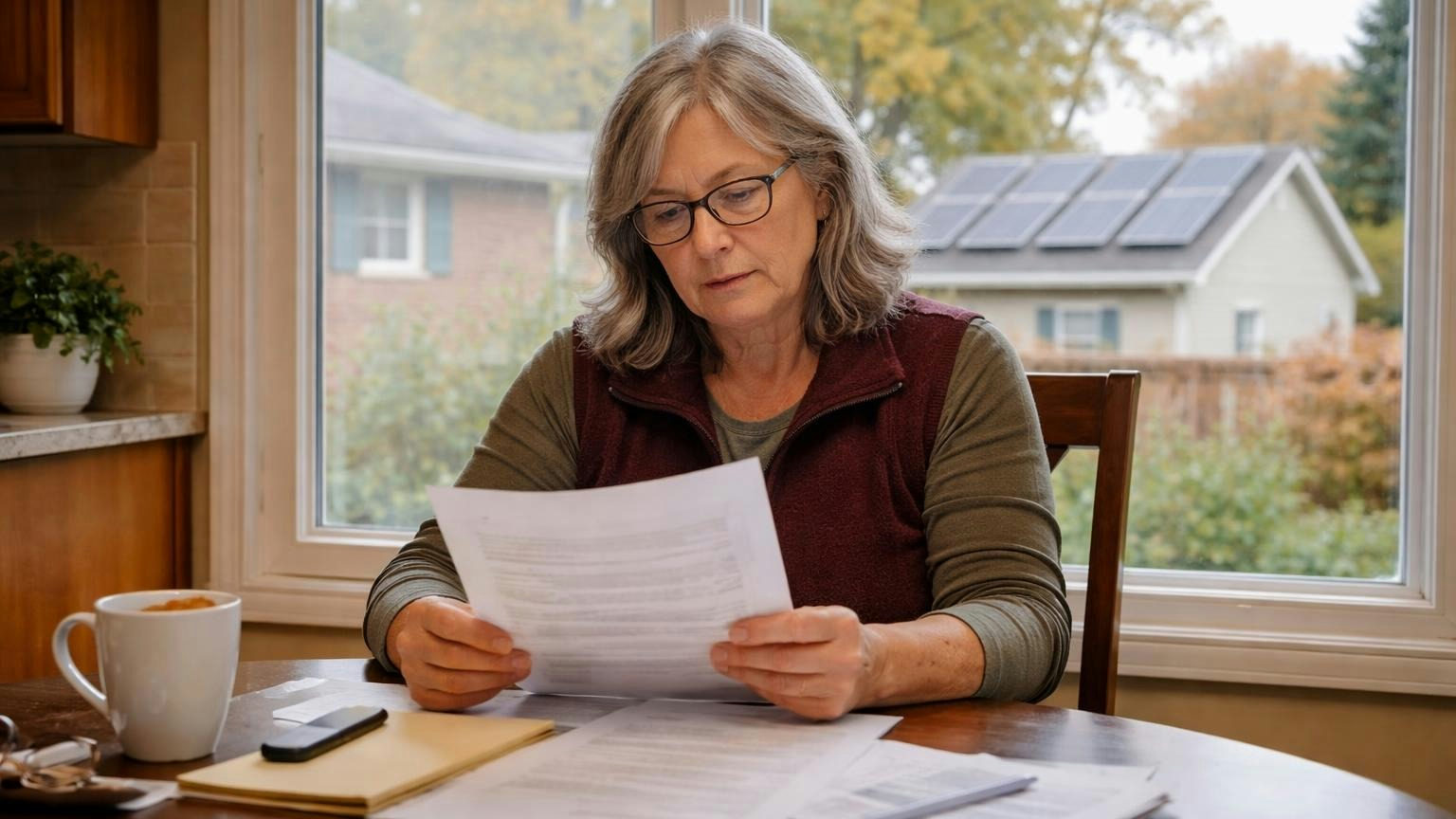
2. Keep the books open. In a condominium, the books, records, contracts and financial statements are open to any co-owner and their mortgagee at convenient times (§ 559.157(1)). In a nonprofit corporation, a member who makes a written demand naming the purpose and the records may inspect them during business hours for any proper purpose (§ 450.2487(2)). Wait more than 5 business days and the member can go to circuit court; if the court orders the inspection, the association pays the member's costs and attorney fees unless it proves a reasonable basis to doubt their right (§ 450.2487(3), (5)). A member can also ask in writing for last year's balance sheet and income statement by mail (§ 450.2487(1)).
3. Send every owner a financial statement each year, and decide on the audit. A condominium's bylaws must require a financial statement to every owner at least once a year, and detailed records of expenditures and receipts (§ 559.154(1), (5)). Above $20,000 in annual revenue, the books are independently audited or reviewed by a CPA every year (§ 559.157(2)), unless a majority of its members votes to opt out for that year (§ 559.157(3)).

4. Keep a reserve fund. A condominium association maintains a reserve fund for major repairs and replacement of the common elements (§ 559.205). The statute lets the state set minimum standards by administrative rule, which this guide does not quote.
5. Hold the annual meeting, with 10 to 60 days' notice. A nonprofit association holds an annual meeting to elect directors on the date its bylaws set, unless members act by written consent or ballot. Let it slip 90 days past that date and any member can ask the circuit court to order it (§ 450.2402). Written notice of the time, place and purposes goes to every voting member, personally, by mail or electronically, 10 to 60 days before (§ 450.2404(1)). Unless your articles or bylaws say otherwise, quorum is members entitled to cast a majority of the votes (§ 450.2415(1)). Members may join by phone or video, and the board may hold the meeting entirely remotely, unless your documents restrict it (§ 450.2405). If your articles or member-approved bylaws allow it, an election can run by ballot, due back 20 to 90 days after it goes out (§ 450.2408).

6. Act in good faith, and with ordinary care. Every director and officer acts in good faith, with the care of an ordinarily prudent person in a like position, in what they reasonably believe is the association's best interest (§ 450.2541(1)). They may rely on fellow directors, accountants, lawyers and engineers they reasonably believe are competent (§ 450.2541(2)).
7. Collect dues the statute's way. In a condominium, unpaid assessments, with interest, late charges, attorney fees and fines under the condominium documents, are a lien on the unit (§ 559.208(1)).
The order a Michigan condominium lien follows.
- The lien: Unpaid assessments attach to the unit
- Notice of lien: Recorded with the county register of deeds
- Ten days: Mailed first-class at least 10 days before foreclosure
- Foreclosure: By advertisement or in court
- Redemption: 6 months, or 1 if abandoned
It can also sue for a money judgment without foreclosing (§ 559.208(5)). When an owner who rents out the unit falls behind, the association can tell the tenant in writing to pay the arrearage from the rent (§ 559.212(5)). And a buyer who asks at least 5 days before the sale for a written statement of what is owed owes no more than it says (§ 559.211(2)), so get that number right the first time.

8. Fine only after notice and a hearing. A condominium association may levy fines after notice and a hearing, and charge late fees, as its bylaws or rules provide (§ 559.206(c)). In a default case, the winner recovers attorney fees only to the extent the condominium documents expressly say so (§ 559.206(b)).
When a tenant breaks the rules, the association notifies the owner by certified mail, and the owner has 15 days to correct it or say no violation occurred before the association may go to court (§ 559.212(4)).
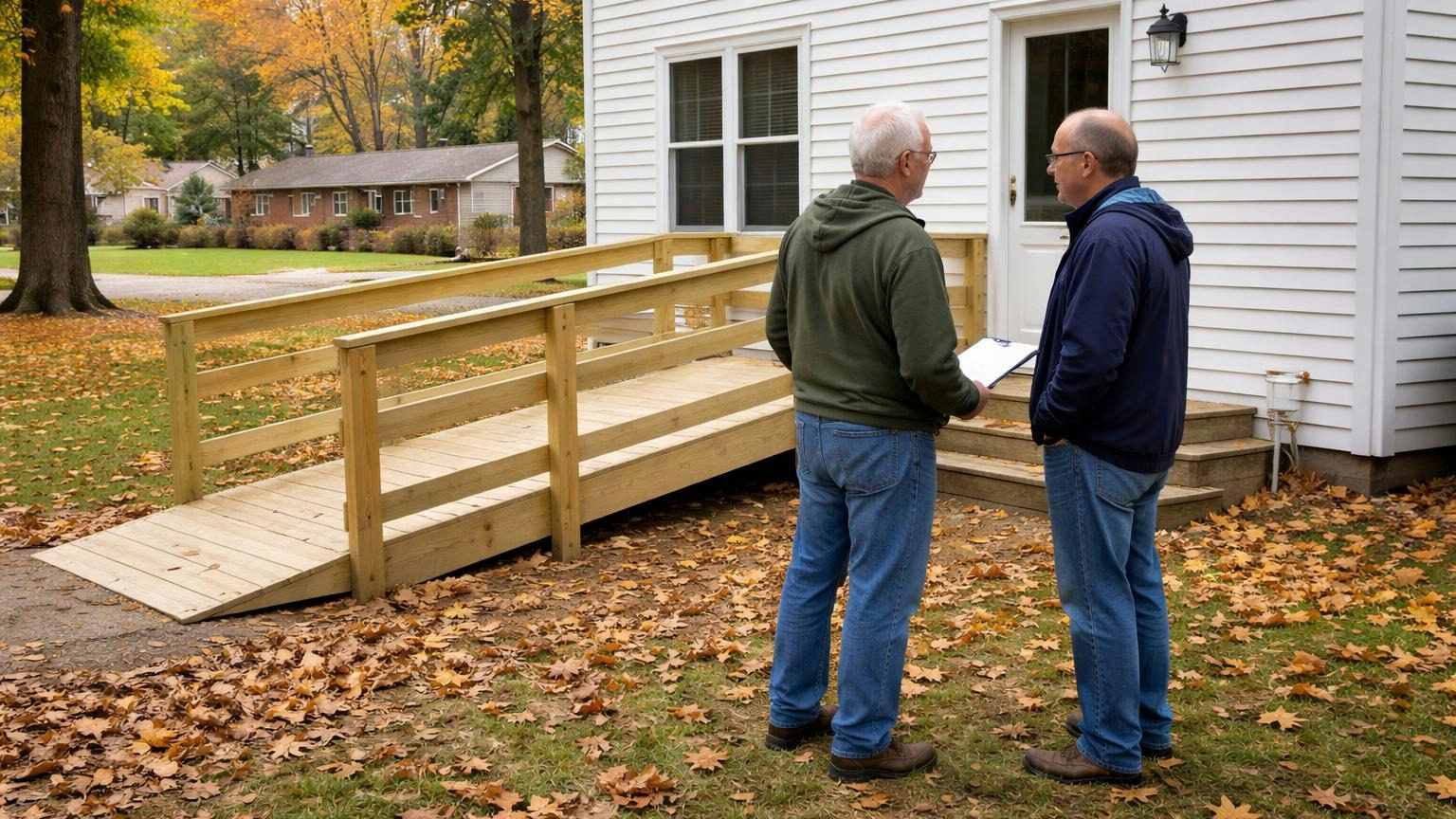
9. Say yes to two things, and answer a third in 60 days. A condominium association cannot stop a co-owner displaying one United States flag up to 3 by 5 feet on the unit's exterior (§ 559.156a). It cannot ban the energy-saving improvements in item 1. And when an owner submits plans for a change that helps a resident or regular visitor with a disability, such as a ramp, the association answers within 60 days, cannot deny without good cause, and lists in writing the changes needed if it does deny. Silence for 60 days lets the owner build (§ 559.147a(4)).
Newer communities While a developer still sells units, owners elect at least one director within 120 days after 25% of units are sold, and all directors except any seat the developer may still designate within 120 days after 75% (§ 559.152).
What the law does not require
- No management company. Nothing on this page requires one; a director may rely on an accountant, a lawyer or an engineer instead (§ 450.2541(2)).
- No open-board-meeting rule in the Nonprofit Corporation Act's board section. It lets a board meet with or without notice as its bylaws prescribe and says nothing about owners attending (§ 450.2521(2)). Check your bylaws.
- No in-person annual meeting. Unless your documents restrict it, the whole meeting can be remote (§ 450.2405(3)).
- No architectural approval for a clothesline or an EV charger. That rule is void (§ 559.305(1)).
What this means for a self-led board
Count what the nine items ask for: a written policy, a yearly statement, a 30-day answer, a 60-day answer, a notice 10 to 60 days ahead, a lien notice mailed at least 10 days before foreclosure. Michigan did not write a law for professionals. It wrote a set of clocks, and boards get caught when one sits in a single volunteer's inbox.
Start with the newest one. Find your solar energy policy this week. If there isn't one, adopt one at the next board meeting, send owners a copy within 30 days, post it if you have a website, and answer every application within 30 days.
The takeaway
Adopt the solar policy and answer in 30 days. Open the books. Send the yearly statement, and vote if you want to skip the audit. Keep the reserve fund. Give 10 to 60 days' notice of the annual meeting. Record and mail the lien notice before you foreclose, and hear before you fine. A self-led board can run every line of it.
Frequently asked questions
Is a Michigan "site condo" subdivision under the Condominium Act? If a recorded master deed created it, yes. The act ties a unit to what the master deed describes, not to the kind of building (§ 559.172(1), § 559.104(3)).
Does every Michigan HOA need a solar energy policy? Yes. Each homeowners' association had to adopt one within a year after April 2, 2025 (§ 559.309(1)), and one that has not cannot fine an owner who goes ahead and installs (§ 559.311(3)).
Can our condominium association skip the CPA audit? Yes, one year at a time. Above $20,000 in annual revenue the audit or review is required, but a majority of members can vote to opt out each year (§ 559.157(2)–(3)).
What Does an HOA Board Actually Have to Do Legally in Colorado?
This is a plain-language guide, not legal advice. Your governing documents and an attorney licensed in Michigan have the final word.
Sources:
- Condominium Act, 1978 PA 59, MCL 559.101 and following: legislature.mi.gov
- Homeowners' Energy Policy Act, 2024 PA 68, MCL 559.301 to 559.317: legislature.mi.gov
- Nonprofit Corporation Act, 1982 PA 162, MCL 450.2101 and following: legislature.mi.gov